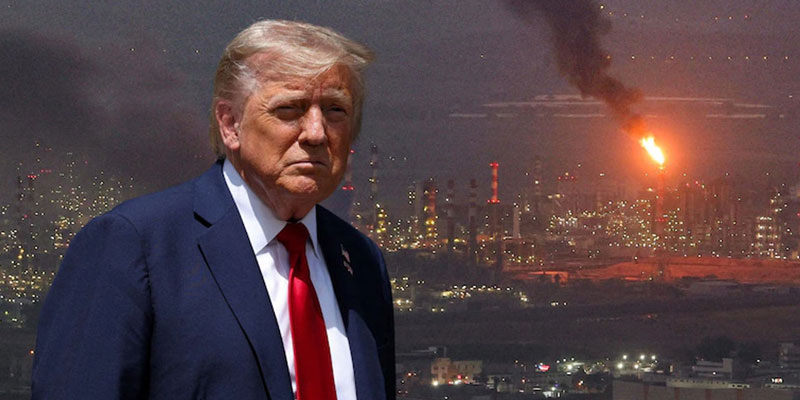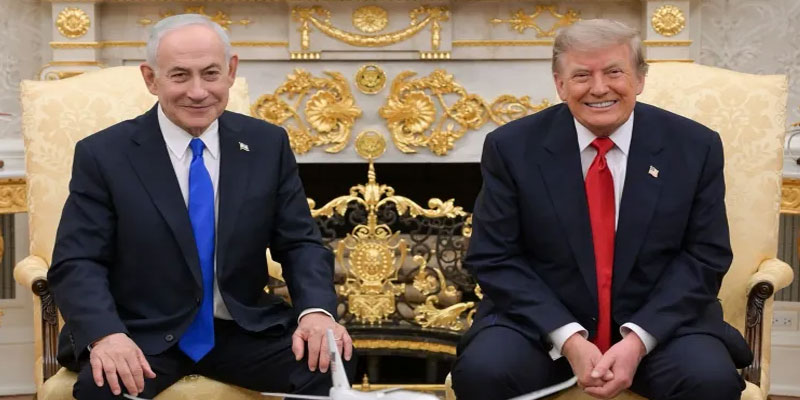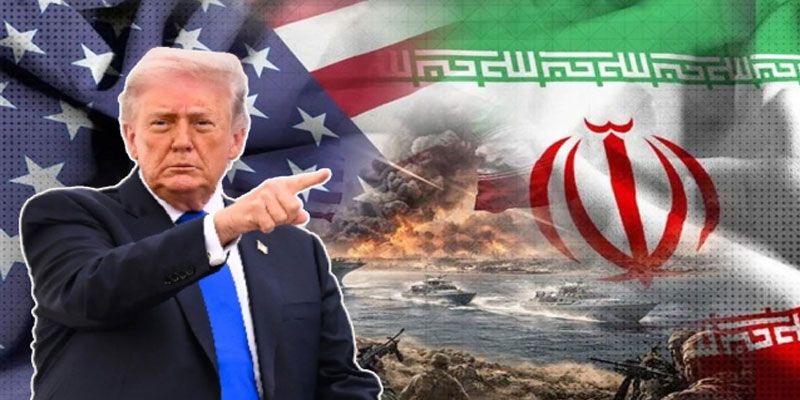

Trump warns Gulf states to prepare for a “possible short, intense renewal of Iran war,” according to reports describing Washington’s preparations for a potential military confrontation after the November 3 US midterm elections. President Donald Trump is reportedly considering a major strike while keeping diplomatic communication with Tehran open, combining military pressure with an attempt to secure negotiations.
What Is Washington Considering?
According to The Wall Street Journal, the United States has urged several Gulf Arab states to prepare for a possible short, intense military campaign against Iran. Trump has not made a final decision, but officials familiar with his thinking reportedly indicate that he is leaning towards an attack targeting Iranian infrastructure and nuclear facilities.
The apparent objective is to weaken Iran’s military and nuclear capabilities, reduce its regional leverage and compel it to negotiate on Washington’s terms. The reported strategy does not necessarily envisage regime change or a prolonged ground invasion, although the consequences could extend far beyond an initial strike.
Military Preparations Signal Serious Intent
US forces are reportedly replenishing munitions, while bomber and fighter aircraft prepare for possible operations. An additional aircraft carrier strike group and a Marine expeditionary unit are expected to reinforce regional deployments next month, joining a force that reportedly includes around 20 warships, although some vessels may rotate out.
The Pentagon’s role is to provide the president with military options, not to determine whether an attack will occur. The reported deployment of Patriot air-defence systems to Israel also indicates concern about possible Iranian retaliation against US allies and regional military assets.
These preparations provide Washington with greater operational flexibility, but they do not establish that war is inevitable.
Diplomacy Continues Alongside Military Pressure
At the same time, Vice-President JD Vance has reportedly contacted Mohsen Rezaei, secretary of Iran’s Supreme National Security Council and a former Islamic Revolutionary Guard Corps commander, to explore reviving peace talks. Trump reportedly authorised the outreach.
The communication is said to have focused on a possible negotiating framework rather than a detailed peace proposal. The approach reflects Washington’s attempt to keep a diplomatic exit open while maintaining the threat of military action.
Whether Tehran responds positively will depend on the terms offered, its assessment of American intentions and its willingness to negotiate under pressure.
Why the Post-Election Timing Matters
The reported timing raises political and strategic questions. Acting after the midterms could keep Iran from dominating the immediate election campaign, while allowing the administration to present military action as a response to nuclear and regional security concerns.
However, any suggestion that domestic politics is influencing the timing remains speculative. More importantly, postponing an attack until after the election would not eliminate the risks of escalation.
Global Energy and Regional Security at Risk
A renewed conflict could have consequences well beyond Iran and the United States:
· Energy markets: Disruption to Gulf oil and gas production or transport could push global prices higher.
· Shipping: Threats to commercial vessels and vital maritime routes could disrupt international trade.
· Regional security: US bases, Israeli targets and Gulf infrastructure could face retaliation, potentially drawing additional countries into the confrontation.
· Iran’s nuclear programme: Strikes might damage facilities but could also harden Tehran’s position and encourage it to disperse sensitive capabilities.
The Critical Choice Between Coercion and Conflict
Trump’s reported strategy seeks to make military pressure strong enough to secure diplomatic concessions without triggering a prolonged war. Yet a campaign described as short and intense could quickly become unpredictable if Iran retaliates or regional forces are drawn into the fighting.
The decisive question is whether military preparations can produce a negotiated settlement or instead make escalation more likely. Until Trump makes a final decision and the diplomatic channel produces tangible progress, the prospect of renewed war remains a serious possibility, not a confirmed outcome.
(With agency inputs)