
A Historic Victory Amid Deep Political Divisions
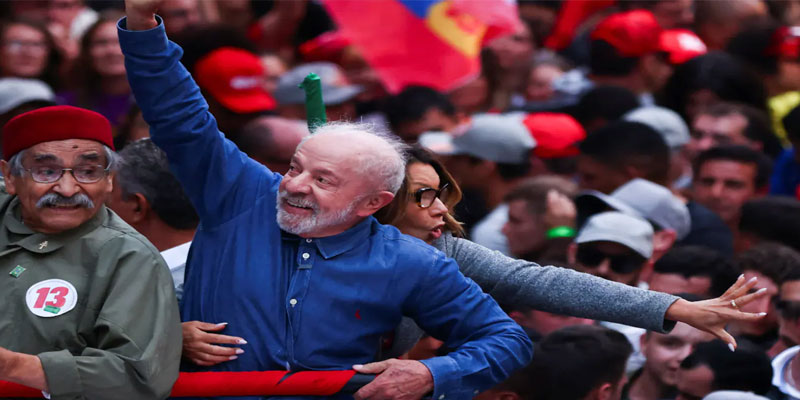
Lula’s historic fourth term meets an immediate legitimacy fight, placing Brazil’s democratic institutions under renewed scrutiny. Luiz Inácio Lula da Silva has reportedly defeated right-wing Senator Flávio Bolsonaro in a closely contested presidential runoff, securing 51.8% of valid votes against Bolsonaro’s 48.2%. The margin of nearly 4.4 million votes underscores both Lula’s electoral success and the deep polarisation dividing Latin America’s largest democracy.
Lula’s Extraordinary Political Comeback
Born in poverty in northeastern Brazil, Lula rose from metalworker and trade-union leader to become a leading figure in the Workers’ Party (PT), which he helped establish. He served two consecutive presidential terms from 2003 to 2010, gaining recognition for social welfare programmes and poverty reduction. His political career later suffered a major setback when corruption convictions were annulled by Brazil’s Supreme Court, clearing the way for his return to politics.
After defeating Jair Bolsonaro in 2022, Lula returned to office in January 2023. His latest victory, despite finishing second in the first round, marks an unprecedented fourth presidential term in Brazil. He is scheduled to begin his new mandate on January 5, 2027.
Bolsonaro Challenges the Electoral Verdict
Flávio Bolsonaro, son of former president Jair Bolsonaro, has refused to accept the outcome and announced plans to seek the election’s annulment. He questioned a Supreme Court decision extending voting hours by two hours amid reported transportation difficulties and disruptions at polling stations.
However, reports indicate that both presidential campaigns had sought extensions in certain areas. This complicates the opposition’s argument that the decision unfairly benefited Lula. Brazil’s electoral authorities have declared the result, and any challenge must proceed through the country’s legal institutions.
The dispute recalls the controversy surrounding Jair Bolsonaro’s rejection of his 2022 defeat, followed by the January 2023 storming of government buildings by his supporters. The immediate concern is whether political rhetoric will intensify public unrest and weaken confidence in democratic institutions.
Global Leaders Extend Congratulations
Lula’s victory has drawn congratulations from political leaders across Latin America and beyond, signalling continued diplomatic engagement with Brazil.
· Mexico: President Claudia Sheinbaum celebrated the result as a victory for democracy and the Brazilian people.
· Canada: Prime Minister Mark Carney highlighted opportunities to expand trade, environmental protection and shared prosperity.
· Uruguay and Paraguay: Presidents Yamandú Orsi and Santiago Peña emphasised democratic participation, regional integration and cooperation.
· Bolivia and Cuba: Leaders Rodrigo Paz and Miguel Díaz-Canel stressed historical ties, sovereignty and social justice.
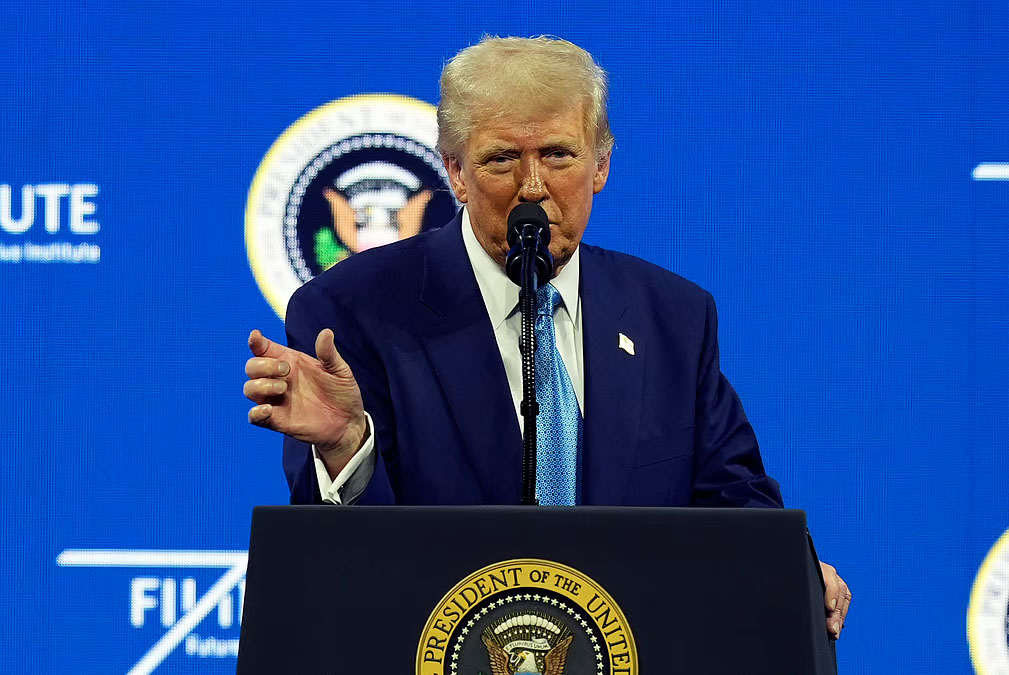
· United States: Senator Bernie Sanders praised Lula’s record on workers’ rights and democracy, while other American political figures criticised aspects of the electoral process.
Economic Uncertainty and Foreign Policy
Investors will closely monitor Lula’s fiscal policies, government spending and approach to state intervention. Political confrontation could pressure Brazilian financial markets and the currency, although a decisive electoral outcome may limit prolonged uncertainty.
Internationally, Lula is expected to maintain an independent foreign policy, prioritising climate diplomacy, multilateral cooperation and stronger ties with developing economies.
Democracy Must Prevail Over Division
Lula’s fourth term represents a remarkable political comeback, but his narrow victory exposes the difficulty of governing a deeply divided nation. Economic management, congressional negotiations and public confidence will determine whether his administration can translate electoral success into lasting progress. Ultimately, Brazil’s democratic resilience will depend on transparent legal proceedings, respect for verified results and the willingness of rival political camps to place constitutional stability above partisan interests.
(With agency inputs)