
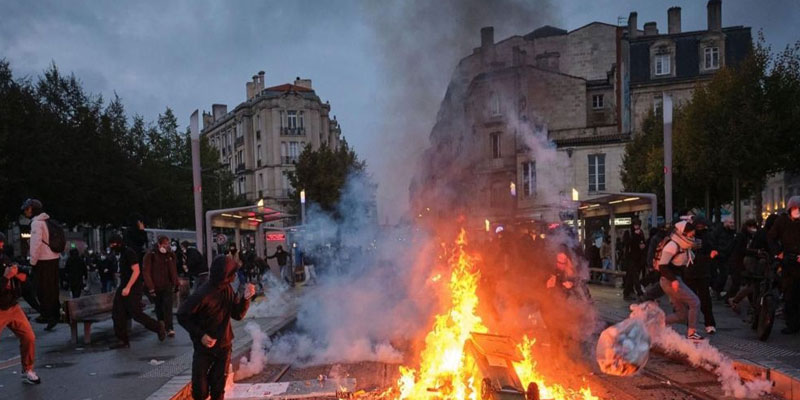
Why are protests happening in France? Rising living costs, declining purchasing power, deteriorating school infrastructure and concerns over civil liberties have triggered widespread demonstrations across the country. What began as a protest against economic hardship has expanded into a broader expression of public dissatisfaction with government priorities, public-service delivery and the future facing younger generations.
Nationwide Demonstrations Turn Violent
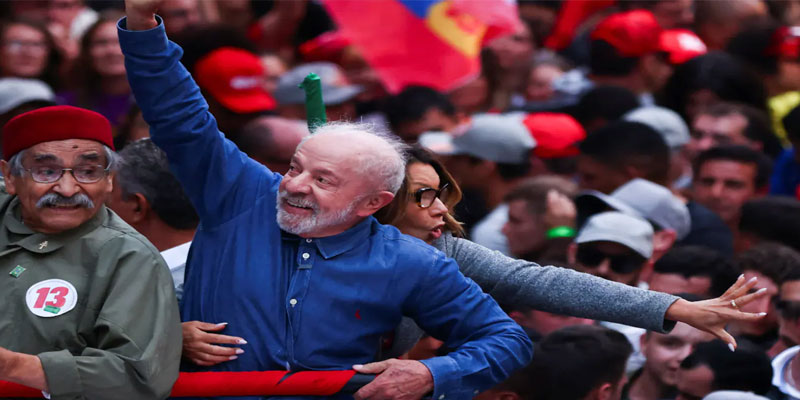
French police arrested 1,314 people during nationwide demonstrations on Saturday, October 24, as clashes erupted on the fringes of largely peaceful marches. The Interior Ministry estimated approximately 410,000 participants, while the CGT trade union put attendance closer to 800,000. Major demonstrations took place in Paris, Marseille, Lyon, Bordeaux, Toulouse and Rennes.
Authorities deployed around 70,000 police personnel and imposed restrictions in several cities following disorder during the previous weekend. Police used tear gas and charged crowds in parts of Paris, while some demonstrators threw fireworks at officers.
Arrests, Injuries and Damage Reported
The official figures underline the scale of the unrest, although the overall toll was lower than the previous weekend.
· 1,314 arrests were recorded nationwide.
· 53 police and security personnel were injured.
· 75 fires were reported, alongside 24 looted shops.
· Two protesters suffered serious injuries in Toulouse and Clermont-Ferrand.
The previous weekend had witnessed 2,628 arrests and 2,025 fire interventions. The decline suggests that heavier policing and restrictions helped contain disorder, although tensions remain significant.
Economic Hardship and School Conditions Fuel Anger
The demonstrations reflect growing frustration over household expenses, stagnant purchasing power and concerns about the quality of public education. Images of damaged ceilings, damp walls and infestations of rats and cockroaches in state schools have become powerful symbols of perceived public-service neglect.
Students and high-school pupils have emerged as prominent participants, demanding improvements in school infrastructure, funding and education reforms. Trade unions and civil-liberties groups have also joined the movement, extending its reach beyond education into broader questions of economic justice and government accountability.
Government Seeks Dialogue Amid Security Concerns
Prime Minister Sébastien Lecornu is scheduled to meet student representatives at Matignon, accompanied by Education Minister Édouard Geffray and Higher Education Minister Philippe Baptiste. The discussions are intended to address concerns about school conditions, investment and reforms.
However, the government faces a delicate challenge. Strong policing may prevent violence and protect businesses, but excessive force or mass arrests could deepen public resentment. Dialogue must therefore be supported by credible commitments and measurable improvements.
Political Implications Ahead of 2027 Elections
The unrest comes ahead of France's presidential elections in April and May 2027. With Emmanuel Macron constitutionally barred from seeking a third consecutive term, purchasing power, public services and policing could become influential electoral issues.
Reforms, Not Arrests, Will Determine France's Future
France's protests reveal a widening gap between public expectations and confidence in government delivery. Although security measures may restore temporary order, lasting stability will depend on addressing economic pressures, repairing schools and rebuilding trust among young people. Whether Lecornu's dialogue produces tangible results will determine if the demonstrations subside or develop into a more enduring political challenge.
(With agency inputs)