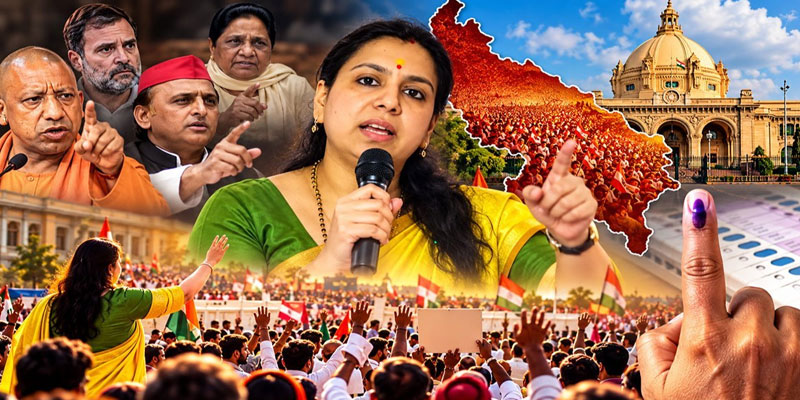

Legislative Council elections are often viewed as a political barometer, offering parties insights into their support among educated voters and professionals, as well as their broader political standing ahead of crucial elections, as seen in Uttar Pradesh.
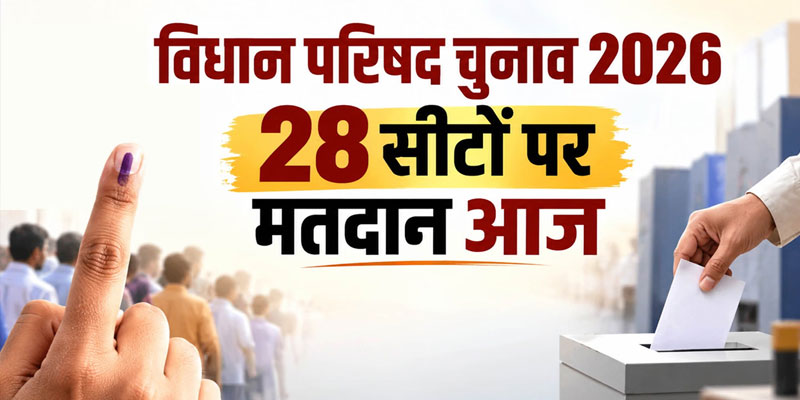
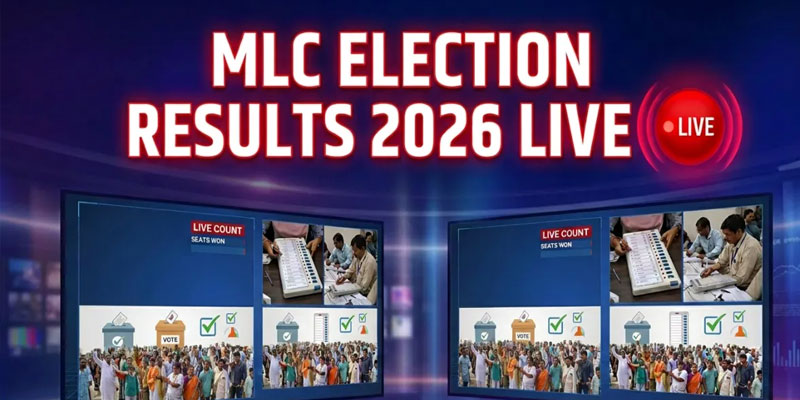
Elections for 28 seats across the Legislative Councils of Uttar Pradesh, Bihar, Maharashtra and Karnataka were held on October 23, with the results scheduled to be announced today.
Unlike elections to the Legislative Assemblies, where all eligible adult citizens can vote, elections to the Legislative Councils follow a different process. Only specific categories of voters are eligible to elect Members of the Legislative Council (MLCs). Moreover, not every state in India has a Legislative Council. This raises questions about why these bodies exist within India’s political system and what role they play in governance.
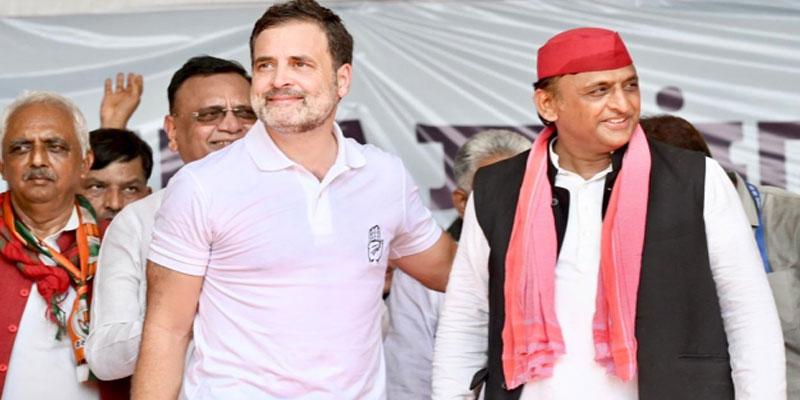
Among the four states, the MLC elections in Uttar Pradesh are particularly significant, as the state is scheduled to hold Assembly elections early next year. Polling is being conducted for 11 seats, with the contest largely seen as a direct fight between the Bharatiya Janata Party (BJP) and Akhilesh Yadav’s Samajwadi Party (SP).
Of the 11 seats, five fall under graduates’ constituencies in Lucknow, Agra, Meerut, Varanasi and Allahabad-Jhansi. The remaining six are teachers’ constituencies in Lucknow, Agra, Meerut, Varanasi, Gorakhpur-Faizabad and Bareilly-Moradabad.
The elections offer the BJP an opportunity to strengthen its organisational presence across Uttar Pradesh as it prepares for the Assembly polls next year, where it will seek a third consecutive term in power. The party currently holds six of the 11 seats through its outgoing members and will aim to consolidate its position.
The SP, meanwhile, will look to build on its strong performance in the 2024 Lok Sabha elections, in which it won 37 of Uttar Pradesh’s 80 parliamentary seats. Three of the 11 outgoing MLCs belong to Akhilesh Yadav’s party, making the contest an important test of its political strength ahead of next year’s Assembly elections.