
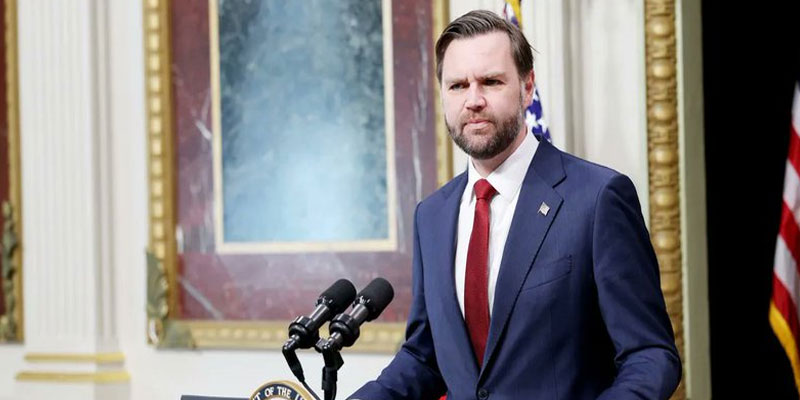
US Vice President JD Vance has stepped into the diplomatic spotlight, leading crucial ceasefire talks with Iran in Islamabad—an assignment laden with irony and pressure. Once a critic of the war’s very inception, Vance is now tasked with ending a conflict that has spiraled into a multi-front crisis with global repercussions.
A Fragile Truce Meets High-Stakes Diplomacy
A senior US delegation—including envoy Steve Witkoff and adviser Jared Kushner—arrived alongside a substantial Iranian team led by Mohammad Bagher Ghalibaf and Foreign Minister Abbas Araghchi. The scale of representation reflects both urgency and the complexity of the negotiations.
Roots of the Crisis: War, Sanctions, and Strategic Chokepoints
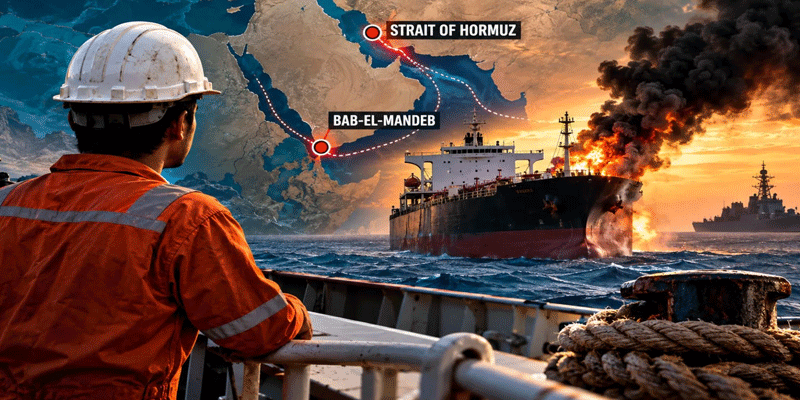
The conflict traces back to US-Israeli strikes that escalated into a six-week war, destabilizing the region and triggering a cascade of geopolitical consequences. Among the most critical developments has been the partial closure of the Strait of Hormuz, a vital artery for global oil supply.
This disruption has intensified economic pressures worldwide, driving up energy prices and compounding inflationary concerns. Simultaneously, Israel’s ongoing military operations in Lebanon—reportedly causing thousands of casualties—have expanded the conflict’s scope, complicating any pathway to peace.
Iran’s Hardline Preconditions
Tehran has entered the talks with firm demands. Chief among them is an immediate ceasefire in Lebanon, alongside the unfreezing of tens of billions of dollars in Iranian oil and gas assets currently restricted by US sanctions.
Iranian officials have made clear that negotiations cannot meaningfully proceed without progress on these fronts. This stance underscores a broader strategy: leveraging the current crisis to secure economic relief and geopolitical concessions, even as the truce remains fragile.
Vance’s Political Test and Strategic Pivot
For Vance, the talks represent a defining moment. Having previously labeled the conflict a “huge distraction,” he now leads efforts to resolve it—an evolution that highlights both political pragmatism and personal stakes.
His role signals a shift from cautious observer to chief negotiator, with implications extending beyond foreign policy. Success could bolster his credentials ahead of potential future political ambitions, while failure risks undermining both US credibility and his own standing.
Vance has struck a cautious tone, warning Iran against exploiting the process while leaving room for constructive engagement—a delicate balance between firmness and flexibility.
Pakistan’s Mediation and Diplomatic Calculus
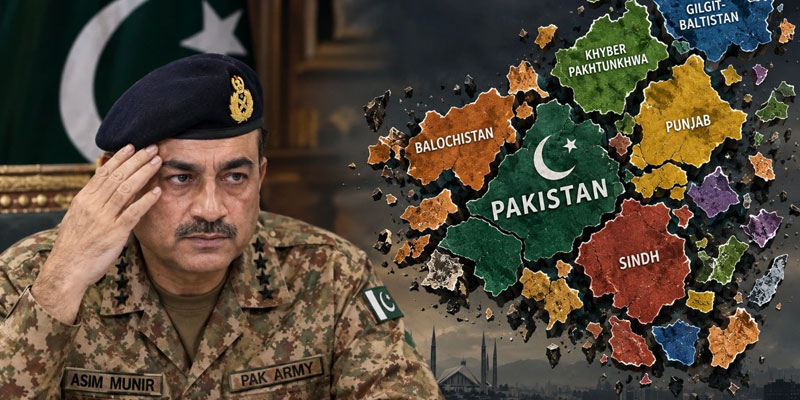
Under Prime Minister Shehbaz Sharif, Pakistan has positioned itself as a key intermediary. Its neutrality and regional relationships make it uniquely suited to host such negotiations, alongside support from other diplomatic stakeholders.
Officials have expressed optimism about achieving a comprehensive resolution, envisioning a single, decisive agreement that addresses both immediate hostilities and underlying disputes.
Global Stakes: Energy, Alliances, and Escalation Risks
The outcome of these talks carries far-reaching implications. A successful ceasefire could stabilize oil markets, ease sanctions, and reduce the risk of further escalation. It may also open pathways to broader agreements on nuclear issues and regional security.
Conversely, failure could reignite hostilities, deepen economic disruptions, and strain US alliances. With interconnected crises spanning energy, security, and diplomacy, the stakes extend well beyond the negotiating table.
A Defining Moment in a Fractured Landscape
The Islamabad talks represent a rare diplomatic opening in an increasingly volatile region. For Vance, they are both a test of leadership and a chance to reshape the trajectory of a conflict he once opposed.
Yet the path to resolution remains uncertain. Iran’s uncompromising demands, ongoing regional violence, and competing global interests create a narrow window for success. Whether these negotiations yield a durable peace or collapse under their own weight will not only define the immediate crisis but also signal how the world navigates complex, interconnected conflicts in the years ahead.
(With agency inputs)