
A Brief Trigger: Harsh Words, Swift Backtrack
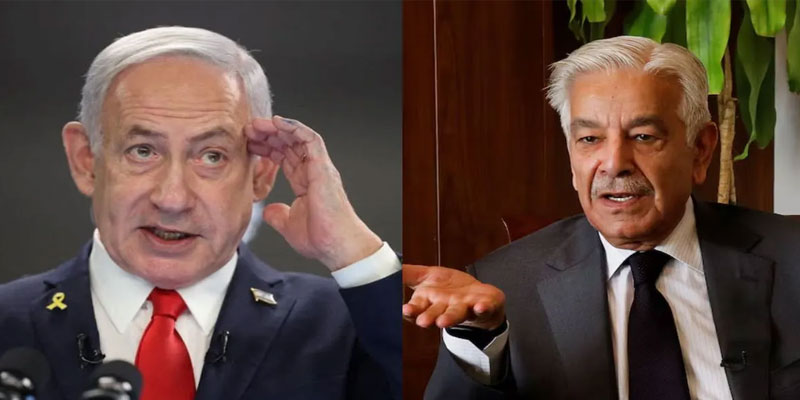
Pakistan’s Defence Minister Khawaja Asif ignited controversy after calling Israel “evil” following deadly strikes on Lebanon, only to delete his remarks shortly after a sharp warning from Israeli Prime Minister Benjamin Netanyahu. The episode unfolded against the backdrop of a fragile US-Iran ceasefire, brokered with Pakistan’s involvement, highlighting the delicate balance Islamabad is attempting to maintain in a volatile West Asian landscape.
Incident Timeline: Ceasefire Undermined by Escalation
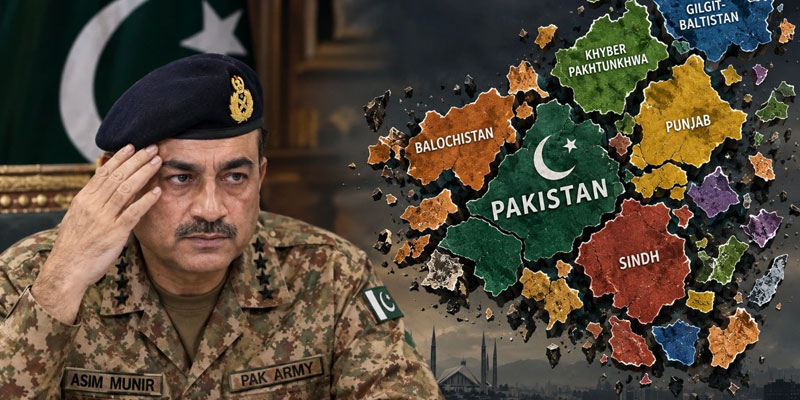
On April 8, 2026, the United States and Iran agreed to a temporary two-week ceasefire aimed at preventing wider conflict and stabilizing critical trade routes like the Strait of Hormuz. Pakistan, led by Prime Minister Shehbaz Sharif and Army Chief Asim Munir, played a central mediating role in facilitating this agreement.
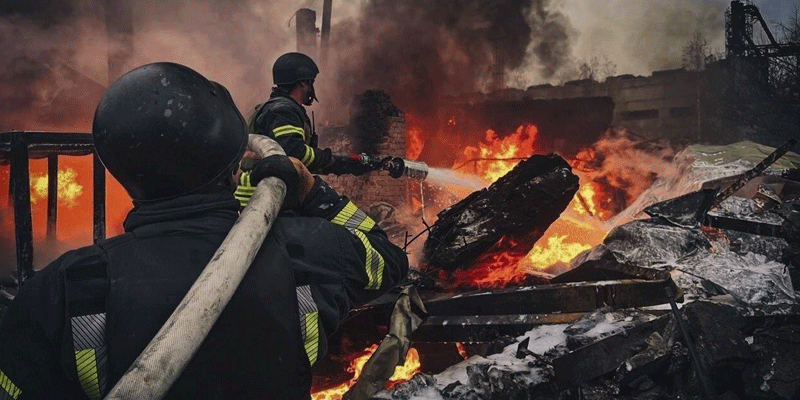
However, within hours, Israel launched extensive airstrikes across Lebanon, targeting Hezbollah positions in Beirut and beyond. The strikes reportedly resulted in over 250 deaths and more than 1,000 injuries. Netanyahu made it clear that Israel did not consider itself bound by the ceasefire, especially regarding operations against Iran-backed groups like Hezbollah.
Reacting to these developments, Asif posted an incendiary message on social media, accusing Israel of “genocide” and using deeply inflammatory language. Although the post was later deleted, screenshots circulated widely, amplifying the controversy.
Geopolitical Context: Pakistan’s Tightrope Walk
Pakistan’s involvement in brokering the ceasefire positioned it as a potential neutral intermediary between Washington and Tehran. By facilitating dialogue and presenting proposals, Islamabad gained diplomatic visibility and even praise from figures like Donald Trump.
Yet, this neutrality is inherently fragile. Pakistan has historically maintained strong rhetorical opposition to Israel while also sustaining strategic ties with Iran. Israel’s continued military actions in Lebanon exposed the limitations of the ceasefire and, more importantly, the difficulty of maintaining impartiality in such a polarized environment.
Asif’s remarks, while consistent with domestic political sentiment, directly contradicted Pakistan’s diplomatic posture as a neutral broker.
Key Reactions: Global and Domestic Fallout
Netanyahu’s office responded forcefully, condemning Asif’s statements as unacceptable and questioning Pakistan’s credibility as a mediator. European nations criticized Israel’s strikes as excessive, while Arab states expressed concern over the violence without directly engaging with Pakistan’s role.
Domestically, Asif’s comments were met with approval among segments of the Pakistani public, reflecting entrenched anti-Israel sentiment. However, the absence of an official government clarification or apology signaled internal divisions between diplomatic pragmatism and political rhetoric.
Neutrality Under Strain
The deletion of the post suggests an attempt at damage control, but the impact on Pakistan’s diplomatic standing may already be significant. For a country positioning itself as a peace broker, such overtly partisan language risks eroding trust among key stakeholders.
Israel’s reaction raises the stakes, potentially jeopardizing future negotiations hosted by Pakistan. At the same time, aligning too closely with Iran or anti-Israel sentiment could strain relations with the United States, a crucial economic and strategic partner.
Pakistan’s challenge lies in balancing domestic expectations with international responsibilities. The incident underscores how quickly credibility can be undermined in high-stakes diplomacy.
A Delicate Balancing Act
Khawaja Asif’s remarks—and their swift retraction—highlight the complexities of modern diplomacy in a deeply divided geopolitical landscape. Pakistan’s ambition to act as a mediator in West Asia is commendable, but it demands consistent neutrality and disciplined communication.
In an era where a single statement can reshape perceptions, Islamabad must carefully navigate its rhetoric and actions. Failure to do so risks not only its role in current negotiations but also its broader aspirations for influence in global diplomacy.
(With agency inputs)