
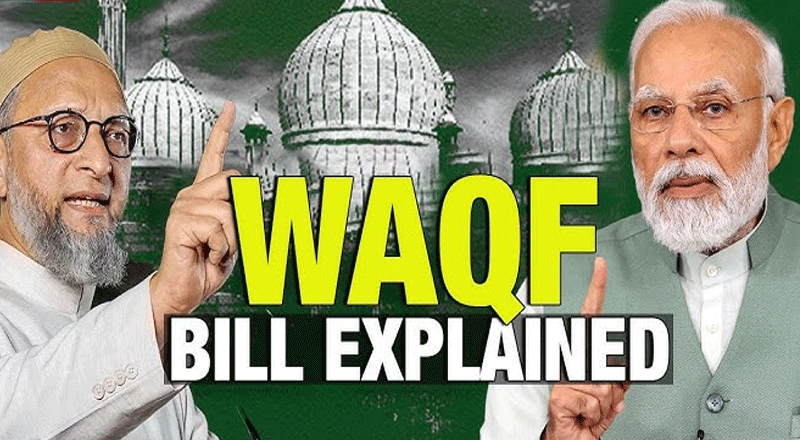
The Waqf (Amendment) Bill has become a focal point of intense debate in the Indian Parliament, raising significant concerns regarding its potential impact on governance, the economy, and affected communities. The legislation seeks to reform the administration of Waqf properties, which are religious endowments primarily for the Muslim community. However, the bill's passage has been marred by protests, particularly from the opposition, who claim that dissenting opinions have been ignored in the final report. As the nation awaits further deliberations, the implications of this bill on various stakeholders remain a critical issue.
The Controversial Tabling of the Waqf Bill
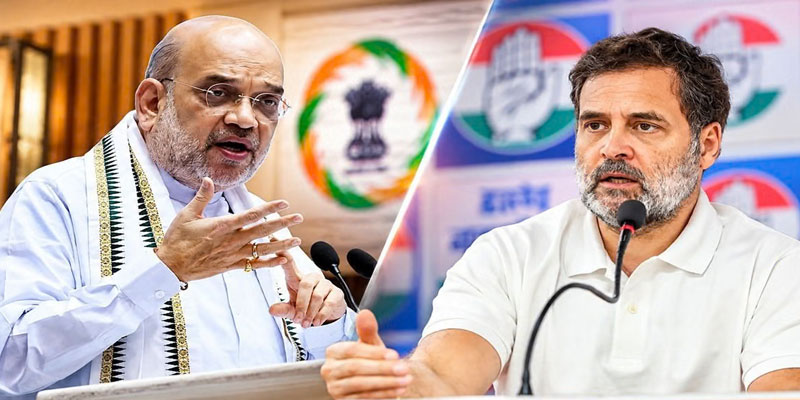
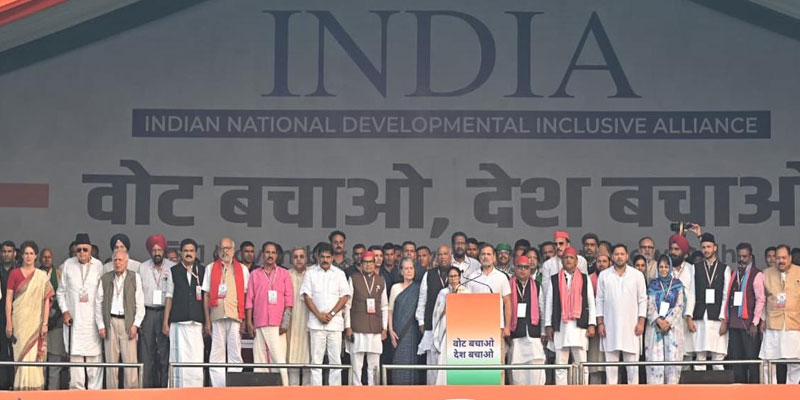
On Thursday, the joint committee presented its report on the Waqf (Amendment) Bill in the Rajya Sabha, triggering an uproar from opposition parties. The opposition, led by Congress leader Mallikarjun Kharge, staged a walkout, alleging that dissent notes were deliberately excluded from the report. These claims were later denied by Union Parliamentary Affairs Minister Kiren Rijiju, who insisted that dissent notes were included in the appendix. The chaotic proceedings led to a brief adjournment of the Rajya Sabha, highlighting the growing rift between the ruling party and opposition members over the bill.
Key Provisions of the Waqf Bill
The Waqf (Amendment) Bill proposes comprehensive changes to the governance of Waqf boards, which manage properties donated for religious and charitable purposes. The bill introduces several key amendments:
- Inclusion of Non-Muslim Members: The bill mandates that at least two non-Muslim members be part of state Waqf boards, ensuring broader representation.
- Government Oversight: A government-appointed official will have the authority to arbitrate disputes regarding whether a property qualifies as Waqf land.
- Enhanced Transparency: The bill aims to introduce stricter regulations to curb misuse and mismanagement of Waqf properties.
- Government Authorities: The revised arbitration framework grants more control to government officials in deciding Waqf property status.
- Real Estate Developers: Stricter regulations could provide clarity on land ownership, potentially opening avenues for infrastructure projects and urban development.
- General Public: If implemented effectively, the reforms could lead to better management of Waqf resources, enhancing their contribution to public welfare.
- Muslim Community Leaders: Many believe that the bill undermines the autonomy of Waqf boards and dilutes the rights of the community over religious endowments.
- Opposition Parties: They argue that the bill represents an overreach by the government, marginalizing dissenting voices and altering the balance of power in Waqf governance.