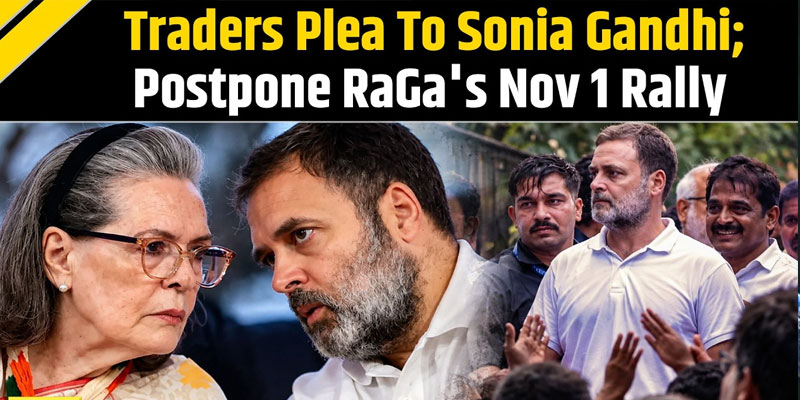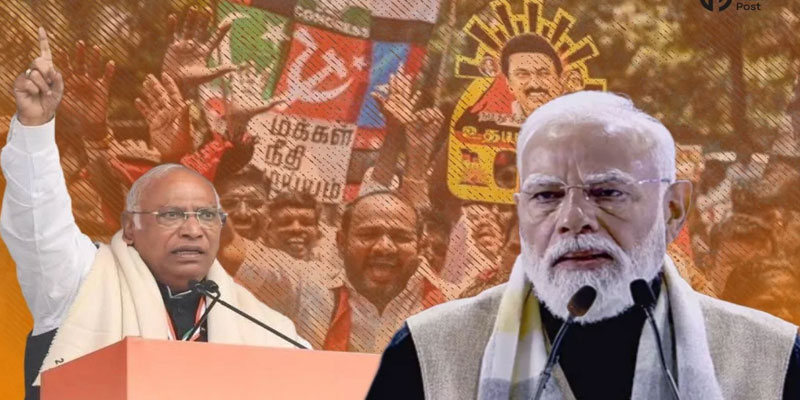

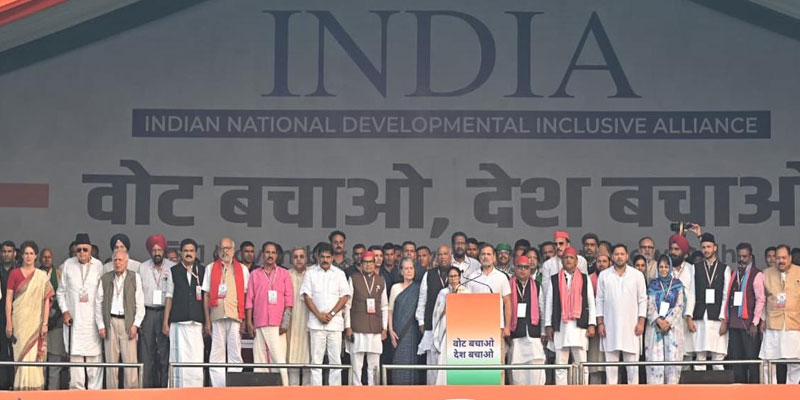
Delhi's trading community has claimed an estimated ₹11,000 crore business loss following the INDIA bloc's rally at Ramlila Grounds, alleging that restrictions and disruption around the venue brought commercial activity across several major markets to a virtual standstill. The Confederation of All India Traders (CAIT), also referred to as CTI in the reported statements, said the rally coincided with the crucial Diwali shopping season, affecting thousands of businesses and millions of daily-wage workers. The claim has also triggered a political confrontation between the ruling establishment and the Opposition.
Why Did Delhi's Markets Face Disruption?
According to CTI chairman Brijesh Goyal, the affected zone covered approximately 20–25 major markets within a five-kilometre radius of Ramlila Grounds.
The traders' body estimated that these markets collectively generate ₹10,000–12,000 crore in daily business during the Diwali season. It alleged that restrictions and disruption associated with the rally effectively halted a substantial portion of this commercial activity for an entire day.
The scale of the claimed impact is significant because Diwali represents one of the busiest trading periods for Delhi's wholesale and retail businesses, with heightened demand for clothing, electronics, jewellery, household goods and festive supplies.
₹11,000 Crore Impact: What Do Traders Claim?
CTI presented the following breakdown of the economic disruption:
· Retail and wholesale trade: Approximately ₹8,800 crore in claimed losses.
· Shop closures: Around 2.5 lakh of nearly three lakh shops reportedly remained closed.
· Business disruption: Nearly 80% of commercial activity was allegedly brought to a standstill.
· Informal workforce: Approximately 20 lakh workers reportedly lost a day's wages, estimated at nearly ₹200 crore.
The broader ₹11,000 crore estimate also factors in the impact on transportation, hospitality, tourism and associated commercial services.
Those reportedly affected included loaders, porters, labourers, street vendors, auto-rickshaw and e-rickshaw drivers, besides other workers dependent on daily earnings.
Political Blame Game Intensifies
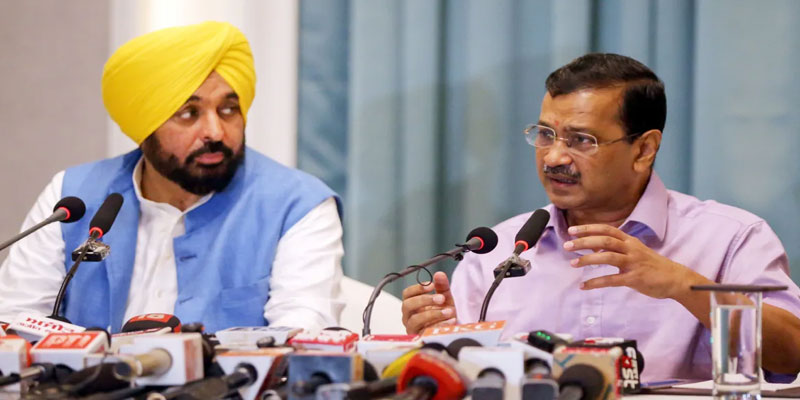
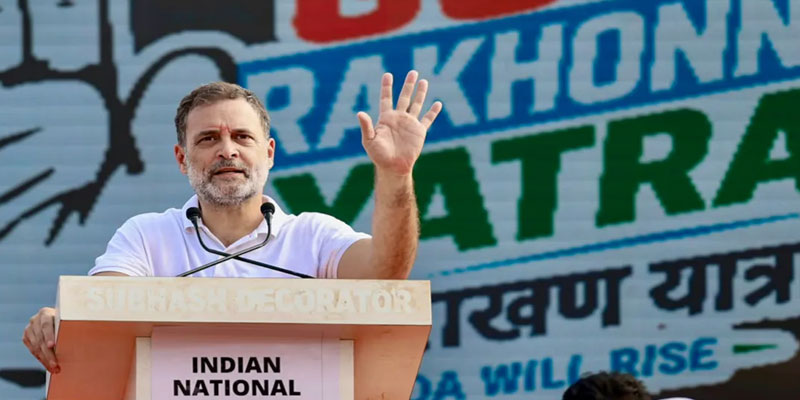
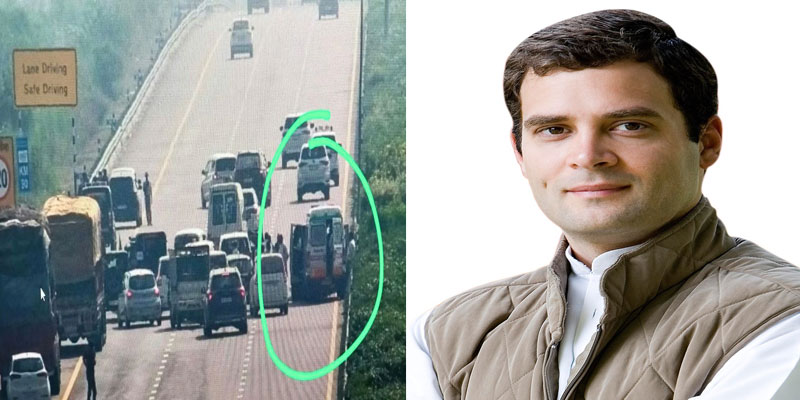
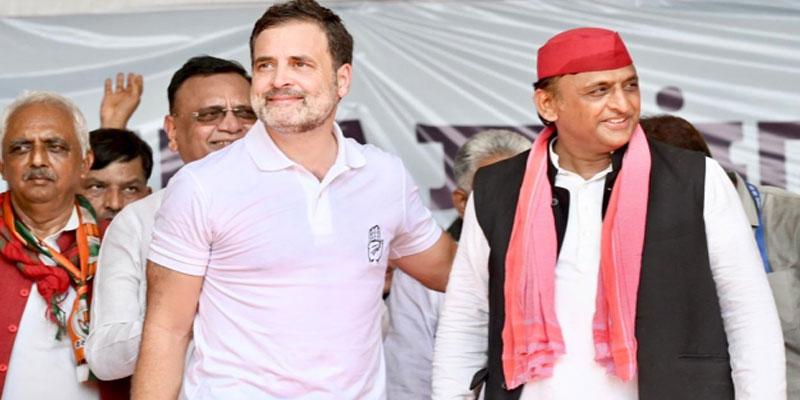
The economic allegations quickly acquired a political dimension. Rahul Gandhi accused the Centre of forcibly shutting shops in the national capital. The INDIA bloc, meanwhile, rejected the traders' claims, questioning the credibility of the organisation and alleging political alignment with the BJP.
The ruling side used the estimated losses to criticise the Opposition for organising a large political gathering during the festive shopping season. Opposition leaders countered that the disruption resulted from government-imposed restrictions rather than the rally itself.
Turnover Loss Versus Actual Economic Damage
An important distinction must be made between lost business turnover and actual financial losses. CTI's ₹11,000 crore figure represents estimated foregone commercial activity, not independently verified net profit losses. Some purchases may simply have been postponed rather than permanently lost.
Protecting Livelihoods Must Rise Above Political Battles
Nevertheless, the disruption highlights the economic vulnerability of densely populated commercial centres during peak trading periods. Political rallies are a democratic right, but their organisation requires careful planning, particularly when millions of livelihoods depend on uninterrupted commerce. Ultimately, effective coordination between authorities, political parties and traders is essential to ensure that democratic expression does not come at an avoidable economic cost.
(With agency inputs)