
Tehran Issues Fresh Warning as War Intensifies
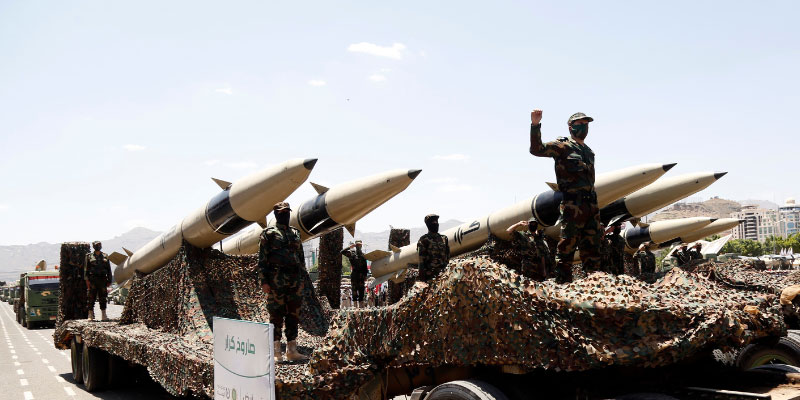
Iran has warned the United States against resuming military attacks after the November midterm elections, signalling that any renewed offensive could trigger retaliation. Foreign Minister Abbas Araghchi declared that Tehran has “unfinished jobs too”, escalating the war of words as the conflict approaches its eighth month and diplomatic efforts remain stalled over the Strait of Hormuz.
The warning comes amid growing concerns over military escalation, rising energy prices and the strategic consequences of prolonged disruption to one of the world's most important oil shipping routes.
A War Approaching Eight Months
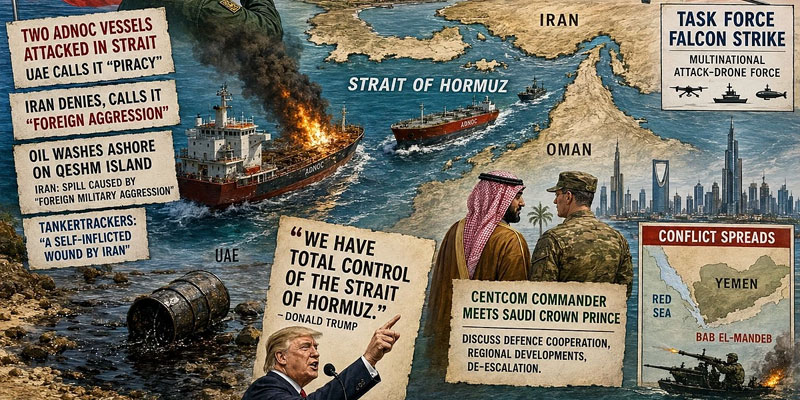
The conflict began on February 28, when US and Israeli forces launched strikes against Iranian territory. The confrontation subsequently expanded to involve attacks on shipping, regional military networks and energy infrastructure, raising fears of a wider Middle Eastern war.
Araghchi has accused Netanyahu of seeking to prolong the conflict for political survival, describing him as a “degenerate gambler” allegedly willing to risk American lives and resources. Such rhetoric reflects the widening diplomatic divide, with Washington and Tehran presenting opposing narratives about responsibility for the war and the prospects for peace.
Araghchi’s Message and Washington’s Calculations
Responding to Trump's warning, Araghchi posted on X: “Last time you wanted to ‘finish the job’, Iran emerged even stronger. Want to try your luck again? Be our guest. But be careful; we have unfinished jobs too.”
The statement is deliberately ambiguous, leaving open the possibility of Iranian retaliation against US military assets, regional partners or commercial shipping if American strikes resume.
The timing is significant. Trump has indicated that he would not attack Iran before the midterms. Tehran appears intent on discouraging Washington from treating the post-election period as an opportunity for military escalation without immediate electoral consequences.
Strait of Hormuz Remains a Chokepoint
The Strait of Hormuz has become the conflict's principal strategic bargaining instrument. Iran maintains that the waterway remains closed, while US Central Command says it is open and that most commercial vessels are passing safely.
Araghchi has outlined a conditional proposal under which:
· The United States lifts its naval blockade of Iranian ports.
· Sanctions on Iranian oil exports are waived and frozen Iranian assets released.
· Hostilities end across regional fronts.
· The strait reopens on the sixth day, with negotiations resuming on the seventh.
The competing accounts underscore the urgency of establishing secure maritime passage and preventing further disruption to global energy supplies.
The Price of Escalation: What Comes Next?
The Pentagon's reported death toll for operations connected to the conflict has reached 21, with 865 personnel wounded. Rising casualties and energy costs are adding to domestic pressure on Washington.
Ultimately, the confrontation presents both governments with a dangerous choice between negotiation and escalation. Iran's warning should not automatically be interpreted as proof of an imminent attack, but it highlights the risks of miscalculation. Reopening Hormuz, protecting shipping and establishing a credible ceasefire remain essential to preventing a regional conflict from triggering a deeper global economic and security crisis.
(With agency inputs)