

The United States has named five Indian nationals and two Mumbai-based companies in its latest crackdown on alleged networks supporting Iran’s oil trade. Announced on October 8, 2026, the action reflects Washington’s continuing efforts to restrict Tehran’s petroleum revenues and penalise intermediaries accused of helping circumvent American economic restrictions.
The move carries significant implications for businesses involved in energy trading, shipping, maritime services and international payments, highlighting the financial and regulatory risks associated with transactions linked to sanctioned entities.
Iran Sanctions: Washington’s Strategy Explained
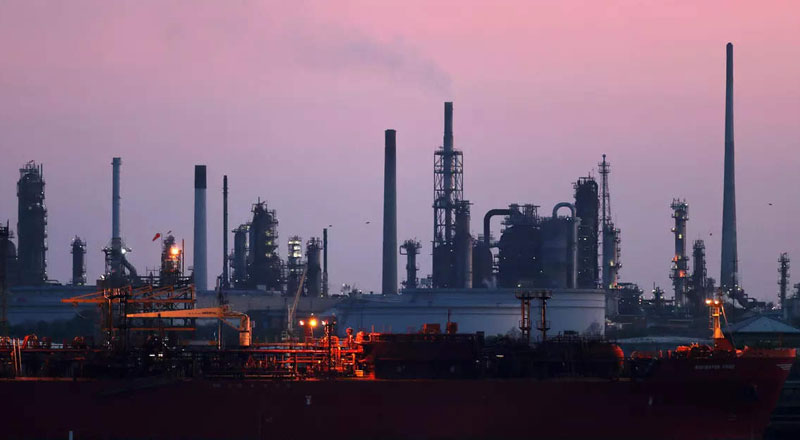
The United States has maintained extensive sanctions against Iran over concerns involving its nuclear programme, regional activities and other security issues. Following the reimposition of major restrictions in 2018, Washington has increasingly targeted Iran’s petroleum exports, a crucial source of government revenue.
American authorities have also pursued intermediaries accused of facilitating these transactions through ship-to-ship transfers, opaque ownership structures, misleading shipping documentation and complex payment arrangements.
This approach seeks to restrict not only Iranian oil producers and traders but also the international networks that allegedly help Iranian petroleum reach overseas buyers. Non-US companies can also face sanctions exposure when their activities fall within applicable US authorities, even when transactions occur outside American territory.
Who Has Been Targeted and Why?
The latest action names the following individuals and companies over their alleged links to Iranian petroleum transactions. US authorities have not thereby established criminal guilt; the designations reflect the US government's stated findings.
The five Indian nationals are:
· Harishyam Hariharan Chundakattil
· Ketan Manohar Kochikar
· Bhupendrasingh Dhalsingh Sahu
· Dhwani Nisarg Vora
· Nisarg Samir Vora
The two Mumbai-based companies are Samudra Marine Services Private Limited and SSPL Solutions Private Limited. The US State Department alleges that the firms facilitated imports of Iranian petroleum products, helping channel revenue to Tehran.
The measures form part of Operation Economic Outcast, a broader campaign targeting Iran's oil-trading networks, including vessels associated with its so-called shadow fleet. The Treasury Department's October 8 announcement also covered numerous other entities and ships involved in transporting Iranian petroleum and petroleum products.
Financial Fallout and Risks for Indian Businesses
The sanctions can have far-reaching consequences for the designated parties:
· Asset freezes: Property and financial interests subject to US jurisdiction are blocked.
· Transaction restrictions: US persons and companies are generally prohibited from conducting unauthorised transactions with designated parties.
· Banking complications: International financial institutions may restrict dealings to avoid sanctions exposure, disrupting dollar payments and business relationships.
· Compliance scrutiny: Other Indian companies involved in oil trading, shipping, brokerage and logistics may face greater pressure to verify counterparties, cargo origins and payment arrangements.
An important qualification is that the US has authorised a limited wind-down period for Samudra Marine Services, allowing specified transactions to be concluded until October 23, 2026, under the relevant licence. This does not amount to a general lifting of sanctions.
Compliance, Not Complacency, Is the Way Forward
Washington's latest action underscores how international trade can expose businesses to sanctions risks beyond their home jurisdictions. For Indian companies, the challenge is to balance legitimate commercial opportunities with rigorous due diligence, transparent ownership records and strict compliance with applicable laws.
Ultimately, the allegations against the designated parties must be distinguished from independently established wrongdoing. At the same time, companies operating across international energy markets cannot afford to underestimate the consequences of sanctions violations. In an increasingly scrutinised global trading system, compliance is no longer merely a legal obligation; it is essential to protecting financial credibility, commercial continuity and international business access.
(With agency inputs)