A Sudden Reprieve for Russian Oil Buyers
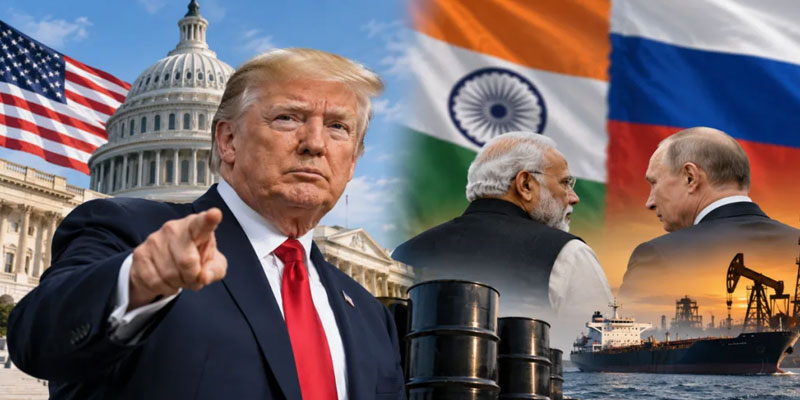
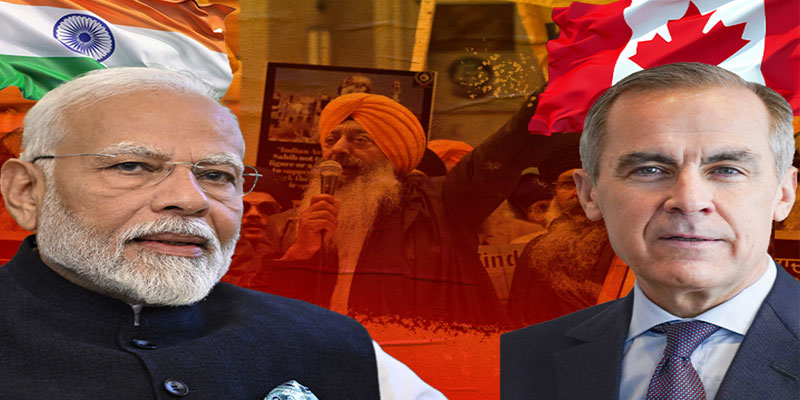
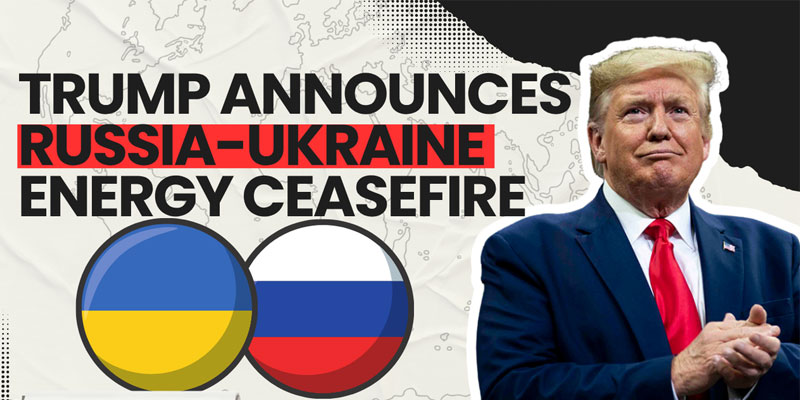
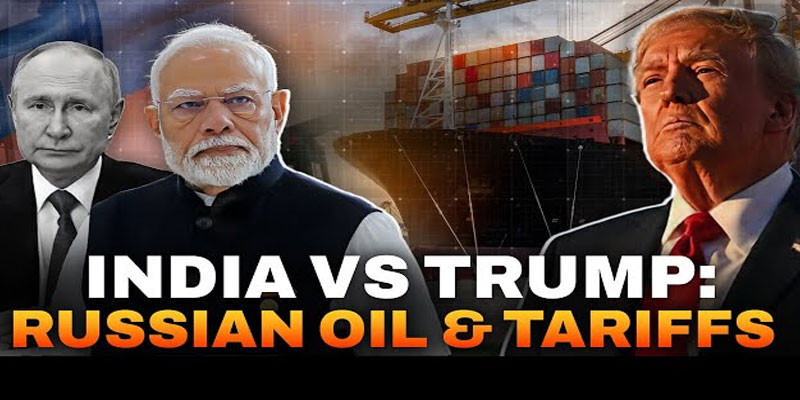
US President Donald Trump has reversed course on threatened tariffs and sanctions targeting countries purchasing Russian oil, offering temporary relief to major importers, including India and China. The executive order, issued late on October 16, suspends key punitive measures just before the October 18 deadline, preventing an immediate escalation in trade tensions. However, the decision offers relief rather than immunity, as Washington retains the authority to restore the penalties.
Understanding the Graham Act and Trump’s Waiver
The Lindsey O. Graham Sanctioning Russia and Iran Act of 2026, signed by Trump in September, empowered Washington to impose sweeping sanctions on Russia and secondary tariffs on countries purchasing its energy exports.
The legislation authorised duties of up to 100% on goods from the five largest importers of Russian-origin oil and natural gas, alongside a 500% duty on Russian goods.
Crucially, the waiver is not permanent. It remains effective until Trump, or the authorised Secretary of State, determines that further action is appropriate. The underlying legal mechanism targeting Russian-energy purchases therefore remains available for future use.
Why India and China Were in the Crosshairs
India and China have emerged as major buyers of discounted Russian crude since Moscow launched its full-scale invasion of Ukraine in February 2022. The threatened tariffs could have significantly increased their export costs and complicated their economic relationships with Washington.
The reversal suggests that the administration is balancing its strategy of pressuring Moscow with broader economic considerations, including energy affordability and the consequences of disrupting global oil supplies. Rather than immediately penalising buyers, Washington has retained the threat while postponing its implementation.
India Gets Breathing Space, Not Certainty
For New Delhi, the waiver removes an immediate risk of additional US tariffs, potentially easing pressure on trade relations and energy-import costs. India has consistently defended Russian oil purchases as commercial decisions driven by national energy security and consumer interests.
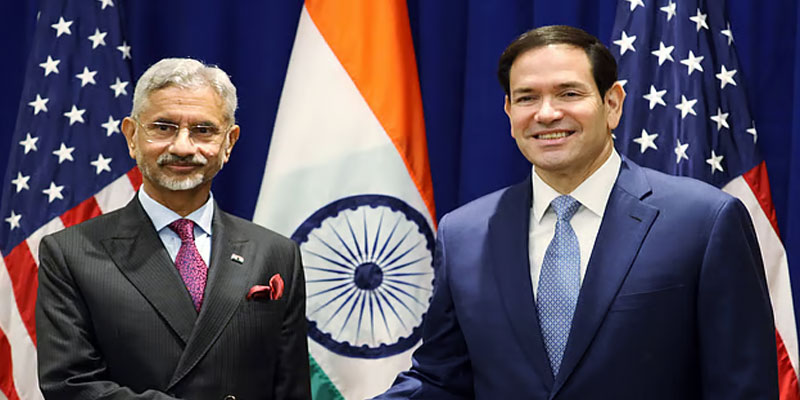
The timing is also diplomatically significant. US Secretary of State Marco Rubio is scheduled to meet External Affairs Minister S. Jaishankar in Mumbai on October 20, creating an opportunity to assess whether the decision signals a broader improvement in bilateral ties.
China Watches Washington’s Next Move
Beijing is likely to welcome the reduced immediate threat, while remaining cautious about Washington's continuing leverage. The order leaves future Russian-energy purchases exposed to renewed penalties if US policy changes.
Relief Today, Strategic Uncertainty Tomorrow
Trump’s decision softens the immediate economic impact of the Graham Act without abandoning its coercive potential. For India and China, Russian crude remains accessible without an immediate additional US tariff, but the possibility of renewed penalties persists. The waiver is therefore best understood as tactical breathing space, not a lasting policy settlement. The real test will be whether Washington uses this flexibility to stabilise trade relations or reactivates the tariff threat as an instrument of geopolitical pressure.
(With agency inputs)