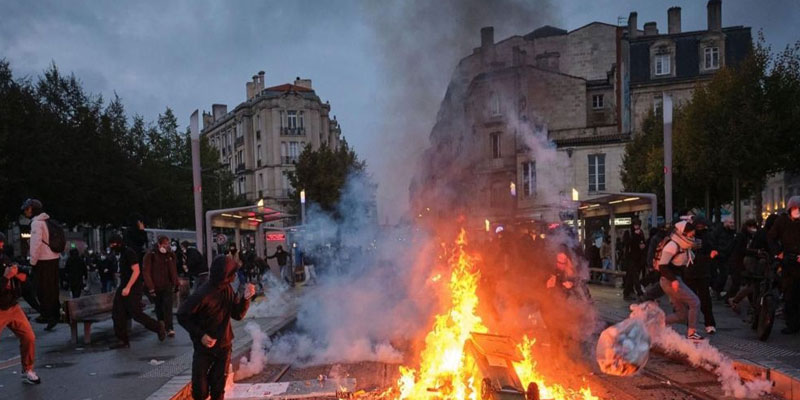

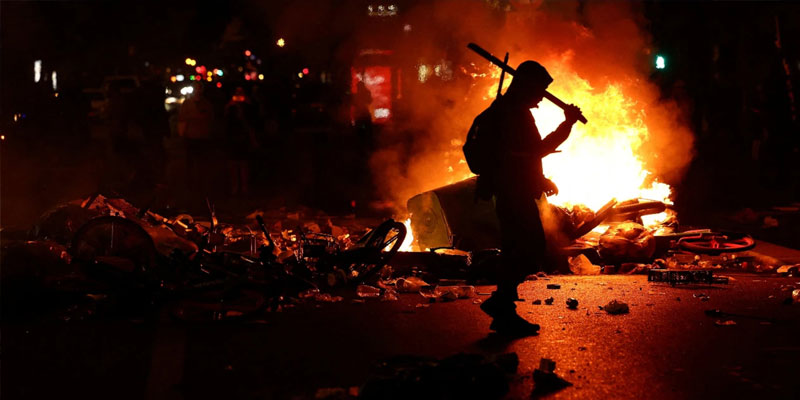
France’s protest crisis is entering another potentially volatile phase, with the government preparing for a third consecutive weekend of mass demonstrations. Authorities have deployed 70,000 police officers across the country to prevent a repeat of the riots, looting and destruction that damaged shops, public buildings and businesses during previous demonstrations. Interior Minister Laurent Nunez has described Halloween, October 31, as carrying a “very high risk” of unrest and promised an “extremely firm response” to violence. The government now faces a difficult challenge: controlling the streets while addressing the economic anger driving the protests.
How the Protests Started
The demonstrations initially emerged from widespread frustration over the rising cost of living, deteriorating public services and dissatisfaction with President Emmanuel Macron's government. However, what began as an expression of economic grievances has gradually evolved into a broader political movement challenging the government's authority.
The protests have attracted support from trade unions, activist networks and organisers associated with France's Yellow Vest movement, which previously mobilised millions against economic policies and fuel-price increases.
Earlier demonstrations witnessed massive participation. According to Interior Ministry figures, approximately 410,000 people participated in nearly 300 demonstrations, although the CGT trade union reported significantly higher attendance. The difference reflects the competing assessments of the movement's scale and political significance.
Why France Is Witnessing Escalating Unrest
Three major factors explain the growing anger:
· Cost-of-living pressures: Households are struggling with high living expenses, creating widespread dissatisfaction over purchasing power.
· Public-service concerns: Citizens increasingly feel that essential services are underfunded, overstretched and deteriorating.
· Political frustration: Opposition to Macron's government has expanded beyond individual economic decisions into broader questions of political accountability and public trust.
The involvement of unions and established activist networks has also given the movement greater organisational strength.
Why Halloween Has Become a Security Challenge
The October 31 demonstrations present an additional challenge because Halloween traditionally involves large gatherings and night-time celebrations. Authorities fear that violent groups could exploit crowded public spaces and peaceful demonstrations to trigger disorder.
The security operation includes:
· Deployment of approximately 70,000 police officers nationwide.
· Helicopters for aerial surveillance and monitoring.
· Armoured vehicles and water cannons to manage violent confrontations.
· Enhanced protection for commercial establishments, transport infrastructure and public buildings.
The government wants to prevent a repeat of the earlier riots, when police faced difficulties containing violence and looting in several cities.
Macron's Political and Economic Dilemma
President Macron has promised strong measures to address public concerns. However, France's difficult fiscal position limits the government's ability to announce substantial additional expenditure. This creates a political dilemma. Excessive reliance on policing could intensify public resentment, while generous financial commitments could worsen the country's debt and budgetary pressures.
The government must therefore balance immediate economic relief with long-term fiscal discipline.
Controlling Streets Will Not Resolve Public Anger
France's latest protest mobilisation is both a public-order challenge and a test of Macron's political leadership. A successful security operation may prevent immediate violence, but it cannot eliminate the economic frustration behind the demonstrations.
Ultimately, restoring public confidence will require more than deploying thousands of police officers. The government must demonstrate that it understands people's financial difficulties and is prepared to address deteriorating public services. Without credible economic and political solutions, France risks entering another prolonged cycle of demonstrations, confrontation and instability.
(With agency inputs)