
Satellite Internet Becomes a Weapon of Strategic Influence
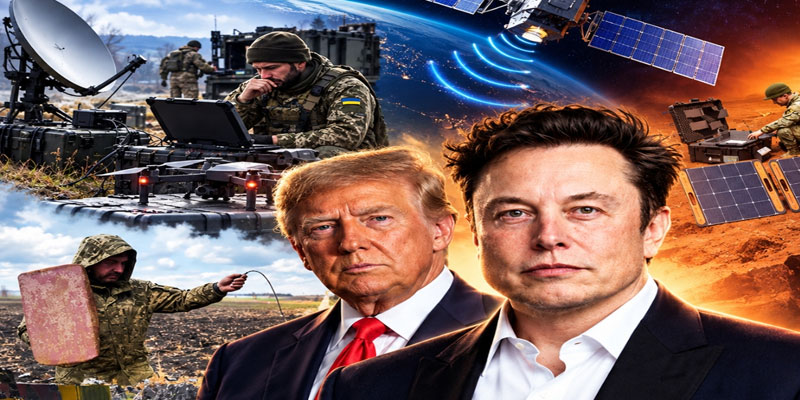
Putin calls Elon Musk a ‘real genius’ as Russia plans rival network. The remark highlights a growing geopolitical reality: satellite internet is no longer merely a commercial service but a critical component of modern warfare. As Ukraine’s military relies on SpaceX connectivity for battlefield communications and drone operations, Russia is advancing its own satellite constellation, Rassvet, to reduce dependence on Western-controlled infrastructure.
Why Ukraine Was Rattled by Connectivity Restrictions
Starlink has become essential to Ukraine’s military communications, particularly where conventional networks have been damaged or disrupted. Its military-oriented counterpart, Starshield, supports more sensitive defence applications.
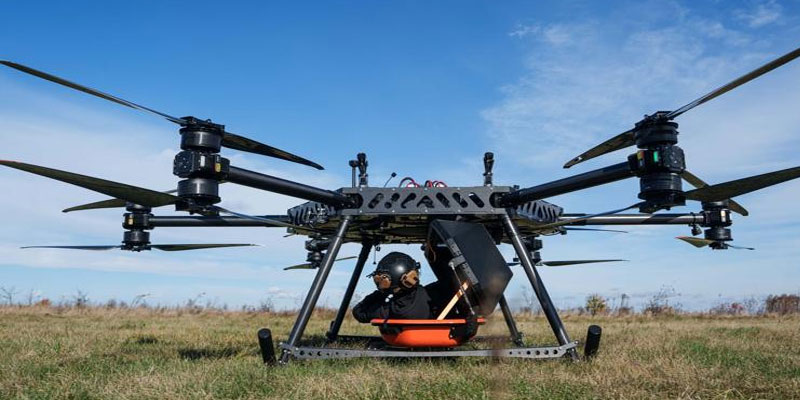
Reports indicated that restrictions introduced from October 14 affected connectivity used in Ukrainian drone operations. The reported speed limitations hampered certain missions, including drone interception, demonstrating how changes to satellite access can have immediate battlefield consequences.
Elon Musk subsequently acknowledged that SpaceX had imposed restrictions, arguing that Ukraine’s military had violated Starlink’s terms of service by using the civilian service for offensive drone strikes. He said the loophole had been closed.
Ukraine disputed that explanation. Defence technology adviser Serhii Beskrestnov argued that civilian Starlink terminals in Ukraine were already subject to speed restrictions and could not operate over Russian territory in the manner alleged. The disagreement exposed the complexity of distinguishing civilian connectivity from military applications during wartime.
Kyiv later confirmed that Starlink and Starshield speeds had returned to normal, easing immediate concerns but leaving broader questions about dependence on privately controlled infrastructure.
Putin’s Praise Carries a Strategic Message
The compliment reflects both recognition of SpaceX’s technological lead and Moscow’s determination to develop alternatives. Putin also emphasised the importance of cooperation to prevent satellite systems from interfering with one another in orbit.
For Russia, technological sovereignty is increasingly a national-security priority. Dependence on foreign-owned communications infrastructure can expose military operations to decisions made by companies and governments outside its control.
Rassvet: Russia’s Answer to Starlink
Rassvet is being developed by Bureau 1440, part of the IKS Holding technology group. Its planned infrastructure includes low-Earth-orbit satellites, ground-control facilities, gateway stations and user terminals.
According to the supplied material, Russia has launched more than 30 Rassvet satellites, compared with SpaceX’s roughly 10,000-satellite fleet. Ukrainian intelligence estimates that Moscow aims to expand Rassvet to:
· 292 satellites by 2027, establishing a broader operational network.
· 924 satellites by 2035, significantly expanding coverage and capacity.
The proposed network is intended to provide connectivity across Russia and beyond, with coverage plans reportedly including Ukraine and the European Union. However, matching Starlink’s scale, reliability and operational maturity will require substantial investment and technical development.
The Bigger Stakes: Technology Shapes Warfare
The dispute highlights three major implications:
· Military dependence: Connectivity restrictions can disrupt communications, drone coordination and battlefield responsiveness.
· Corporate influence: Private companies controlling critical infrastructure can exercise considerable leverage during international conflicts.
· Strategic autonomy: Russia’s Rassvet programme reflects the growing importance of independent communications networks for national security.
The Battle for Connectivity Is the Battle for Control
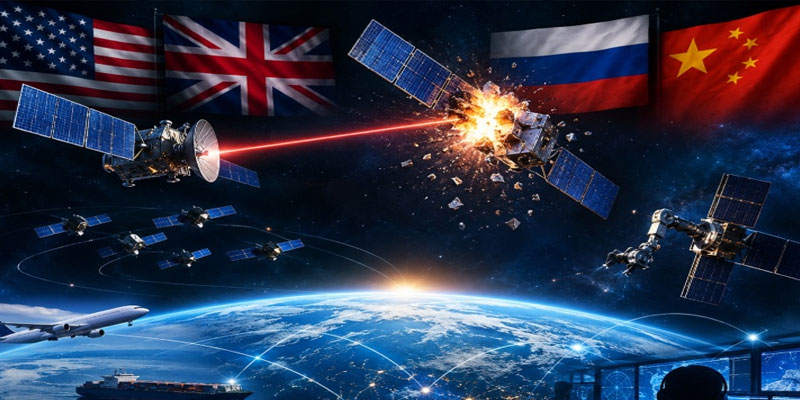
Satellite internet has become a strategic asset capable of influencing both commercial competition and military outcomes. Ukraine’s experience demonstrates the risks of relying on a foreign-controlled network, while Russia’s Rassvet programme signals its determination to reduce that vulnerability.
Yet launching satellites alone will not guarantee success. Coverage, capacity, resilience and secure military integration will determine whether Rassvet becomes a credible rival to Starlink.
Ultimately, the contest extends beyond Musk and Putin. In modern warfare, control over communications can determine how effectively a nation observes, coordinates and responds—and technological independence is increasingly inseparable from national security.
(With agency inputs)