
Why Arunachal’s Gen Z opposes the Siang mega dam is rooted in a growing conflict between national security priorities and indigenous rights. The proposed 11,200-megawatt Siang Upper Multipurpose Project (SUMP) is being presented as a strategic response to China’s upstream hydropower ambitions. However, for many young protesters and indigenous communities, the project threatens ancestral land, ecological stability and cultural identity.
Understanding the Siang Mega Dam
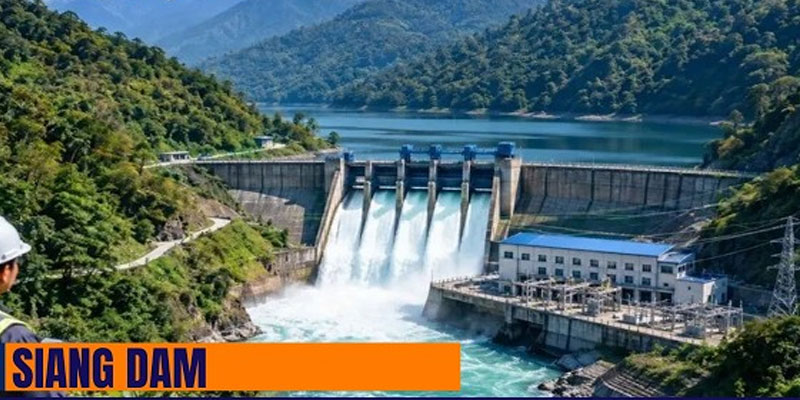
Planned on the Siang River in Arunachal Pradesh, the project is envisioned as a storage-based multipurpose dam near Geku in Upper Siang district. The Siang is the Indian stretch of the Yarlung Tsangpo, which flows onward into the Brahmaputra.
With a proposed capacity of 11,200 MW, SUMP would be India’s largest hydropower project. The government argues that it could generate renewable electricity, regulate river flows, improve flood management and support regional development. Chief Minister Pema Khandu has cited approximately 9.2 billion cubic metres of proposed live storage.
China’s Dam and India’s Strategic Calculus
China’s construction of a major hydropower project on the Yarlung Tsangpo in Tibet has intensified Indian concerns about upstream control of a transboundary river. The Chinese project, planned at around 60,000 MW, has raised questions about downstream water security and the potential consequences of altered river flows.
India views SUMP as a means of strengthening its hydrological security, improving its capacity to manage water and reducing vulnerability to sudden changes in upstream flows. Yet, a dam cannot eliminate all downstream risks, making reliable monitoring, cooperation and transparent water-management arrangements equally important.
Why Indigenous Communities Are Resisting
For the Adi and Galo communities, the Siang is far more than a water resource. It sustains agriculture, fishing, customary land ownership and cultural traditions. The Adi community’s apex body, Adi Banne Kebang, describes the river as sacred, calling it “Ane Siang”, and has demanded that the project and its pre-feasibility report be scrapped.
The Siang Indigenous Farmers’ Forum estimates that the proposed reservoir could submerge 27 villages and displace between 100,000 and 150,000 indigenous people. These figures are community estimates, not established final impact assessments.
Residents fear losing farmland, forests, fishing grounds and ancestral sites, while remaining uncertain about rehabilitation, compensation and resettlement.
Environmental and Earthquake Risks
The Siang basin is a biodiversity-rich Himalayan region with extensive forest cover and vulnerable wildlife habitats. Critics warn that a mega-reservoir could disrupt fisheries, sediment movement, forest ecosystems and the river’s natural flow patterns.
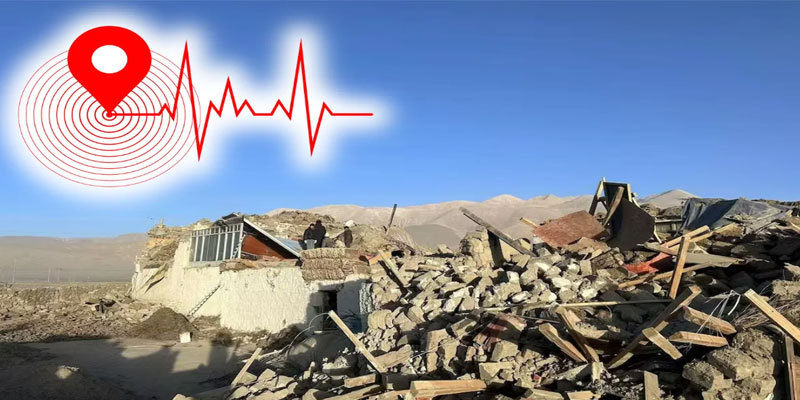
The region also falls within Seismic Zone V, India’s highest earthquake-risk category. Opponents have raised concerns about earthquakes, reservoir-induced seismicity, sedimentation and glacial lake outburst floods. Comprehensive, independent assessments are essential before decisions on construction proceed.
Why Gen Z Has Taken to the Streets
Young protesters have emerged as the visible face of resistance rooted in longstanding community concerns. Anger has intensified over pre-feasibility surveys, police action and the deployment of security forces. Protests in Pasighat escalated into violence, including arson at an NHPC office and damage to public property.
Protesters demand consultation through traditional kebang councils, withdrawal of cases against demonstrators and a genuine process of Free, Prior and Informed Consent. They argue that individual signatures or compensation offers cannot substitute for meaningful community participation.
National Security Must Not Override Indigenous Rights
The Siang dispute exposes a difficult policy dilemma: India wants to protect its water security against potential Chinese leverage, while local communities fear sacrificing their homeland for national strategic objectives.
The way forward lies in transparent environmental and seismic assessments, credible rehabilitation plans and meaningful consultation before irreversible decisions are made. Strategic infrastructure can strengthen national resilience, but public trust cannot be secured through coercion. Unless indigenous communities are treated as stakeholders with a decisive voice in the process, the Siang project risks turning a national-security ambition into a lasting conflict over land, identity and democratic consent.
(With agency inputs)