
Pollution Enters the Poor Category
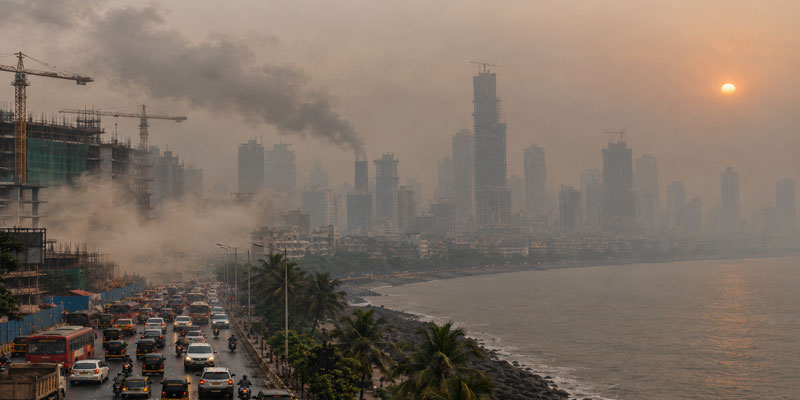
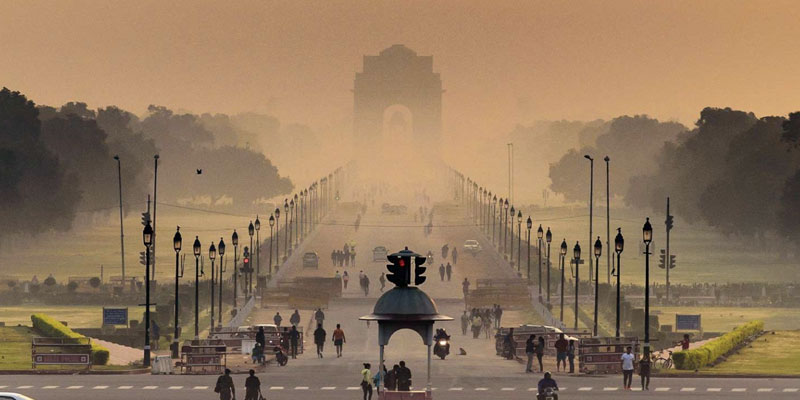
Delhi-NCR air quality has slipped into the “poor” category, prompting the Commission for Air Quality Management (CAQM) to impose Stage I of the Graded Response Action Plan (GRAP) across the region. With forecasts indicating continued pollution over the coming days, authorities are intensifying preventive measures to contain emissions before conditions deteriorate further.
A Sharp Deterioration in Air Quality
Delhi’s Air Quality Index (AQI) climbed from 179, classified as moderate, on October 20 to 244 at 2 pm on October 21. It subsequently reached 248 by 7 pm, marking the highest reading in 100 days.
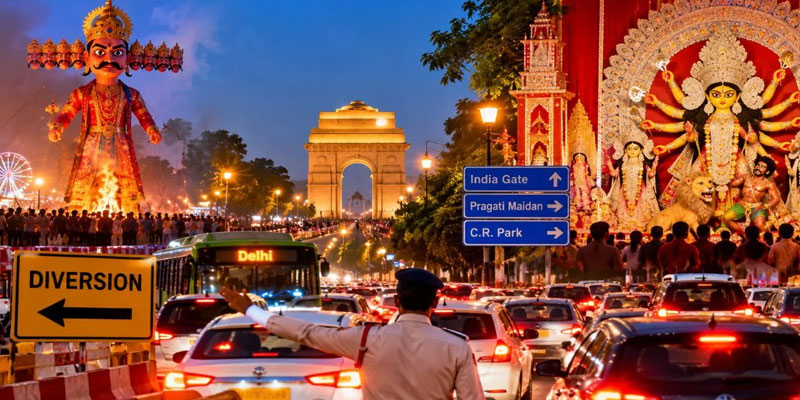
The deterioration followed Dussehra celebrations and coincided with falling temperatures and unfavourable meteorological conditions that limited the dispersal of pollutants. Forecasts from the India Meteorological Department (IMD) and the Indian Institute of Tropical Meteorology (IITM) indicated that air quality could remain poor from October 22 to 24.
Consequently, CAQM activated GRAP Stage I across Delhi and NCR districts in Haryana, Uttar Pradesh and Rajasthan.
What GRAP-1 Requires
GRAP is a four-stage emergency framework designed to address worsening air pollution through progressively stricter measures.
· Stage I: Poor AQI, between 201 and 300.
· Stage II: Very poor AQI, between 301 and 400.
· Stage III: Severe AQI, between 401 and 450.
· Stage IV: Severe-plus AQI, above 450.
Under Stage I, authorities must intensify mechanised road sweeping, water sprinkling and dust suppression at construction sites. They are also required to prevent open waste burning, ensure timely waste collection and inspect visibly polluting vehicles.
Emissions from industries, power plants and brick kilns are also subject to closer monitoring, alongside efforts to improve traffic management and reduce congestion.
What Residents Need to Know
Everyday activities can continue for now. Stage I does not automatically require school closures or office restrictions, although further deterioration could trigger additional measures.
Residents should take practical precautions:
· Children, older adults and people with respiratory or heart conditions should limit prolonged outdoor exertion.
· Avoid strenuous outdoor exercise when pollution levels are elevated.
· Monitor official AQI updates and keep indoor spaces protected from outdoor pollution where feasible.
· Prefer public transport, carpooling and less polluting travel options.
Preventing a Winter Pollution Crisis Starts Now
Delhi-NCR’s deteriorating air quality is an early warning of the seasonal pollution challenge ahead. While GRAP Stage I provides a framework for immediate action, its effectiveness will depend on consistent enforcement against construction dust, waste burning and vehicle emissions. Timely intervention, responsible public behaviour and coordinated regional action are essential to prevent further deterioration and protect public health.
(With agency inputs)