
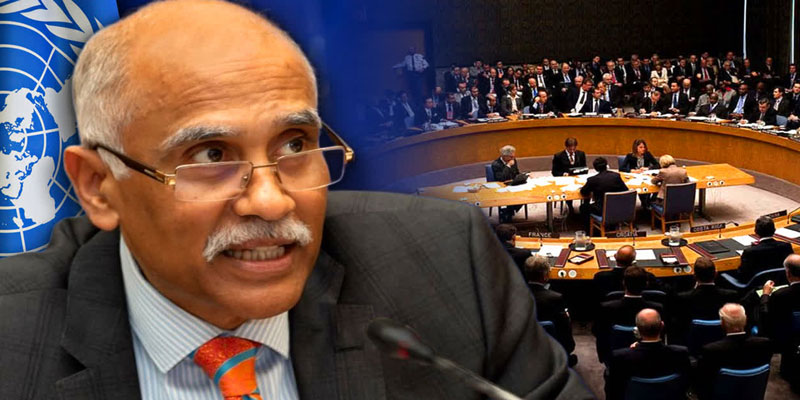
India has renewed its push for comprehensive reform of the United Nations Security Council (UNSC), arguing that the world’s most powerful multilateral body no longer reflects contemporary geopolitical realities. Addressing the United Nations Inter-Governmental Negotiations (IGN) process, India sharply criticized what it described as “entrenched interests” that continue to block meaningful change. The intervention signals New Delhi’s growing impatience with decades of stalled discussions and reinforces its long-standing demand for a greater voice in global decision-making.
Why India Wants UNSC Reform
The Security Council remains the most influential organ of the United Nations, entrusted with maintaining international peace and security. However, its structure has remained largely unchanged since 1945, when the world emerged from the Second World War.
Today, the Council consists of 15 members, including five permanent members—United States, United Kingdom, France, Russia, and China—each possessing veto power.
India argues that this arrangement no longer reflects the political, economic, and demographic realities of the twenty-first century. As one of the world’s largest economies, most populous nations, and a significant contributor to UN peacekeeping operations, New Delhi believes it deserves a permanent seat at the table where critical global decisions are made.
Permanent Membership at the Core of India’s Demand
India’s position is clear: reform without expanding the permanent category of membership would be inadequate. Speaking on behalf of New Delhi’s perspective, Ambassador Parvathaneni Harish stressed that any reform excluding new permanent members would fail to address the fundamental imbalance within the Council.
India is part of the G4, which also includes Brazil, Germany, and Japan. The group advocates expanding the Council to 25 or 26 members and adding new permanent seats for underrepresented regions, particularly Africa and the Asia-Pacific.
India has also maintained that if veto power continues to exist for current permanent members, new permanent members should enjoy the same rights.
The Resistance to Change
A major obstacle to reform comes from countries grouped under the Uniting for Consensus initiative. This bloc opposes the creation of additional permanent seats and instead proposes longer-term, renewable memberships without veto powers.
India views such proposals as attempts to preserve the existing power structure while delaying substantive reform. According to New Delhi, alternative models risk turning reform into an endless procedural exercise rather than delivering meaningful change.
Why the Debate Matters
The reform debate goes beyond institutional representation. Supporters of expansion argue that a more representative Security Council would enjoy greater legitimacy and be better equipped to address modern challenges such as terrorism, climate-related security risks, and prolonged conflicts.
India contends that the credibility of the United Nations increasingly depends on its willingness to adapt. As global power shifts and new voices demand representation, the gap between the Council’s structure and contemporary realities continues to widen.
A Defining Test for Global Governance
India’s latest intervention reflects growing frustration with the slow pace of UNSC reform and a determination to keep the issue at the forefront of international diplomacy. By advocating permanent membership expansion and challenging those resisting change, New Delhi is positioning itself as a leading voice for a more representative global order. The broader question now is whether the United Nations can modernize its most powerful institution or remain constrained by structures designed for a vastly different era. The answer will shape the future credibility and effectiveness of global governance itself.
(With agency inputs)