
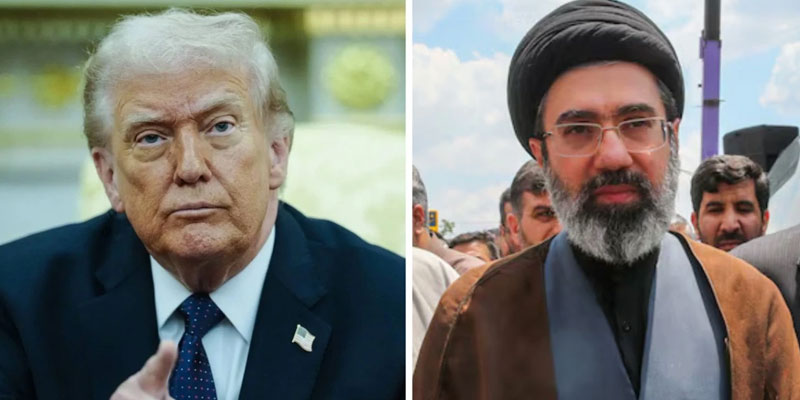
Doha Talks Deliver First Major Win
The latest round of talks in Doha has delivered the first significant diplomatic breakthrough between the United States and Iran in months, with reports indicating that both sides have agreed in principle to the release of nearly $3 billion in frozen Iranian funds alongside the establishment of a direct communication mechanism. Although the understanding remains limited and subject to implementation, it represents more than a financial arrangement. It signals an attempt by Washington and Tehran to move beyond managing recurring crises toward building a structured—albeit fragile—framework for sustained dialogue aimed at reducing tensions in one of the world's most volatile regions.
From Interim Understanding to Practical Steps
The Doha discussions followed the 60-day interim memorandum of understanding reached in mid-June, which created a narrow window for converting a ceasefire-style arrangement into concrete measures covering sanctions, maritime security, and nuclear-related commitments.
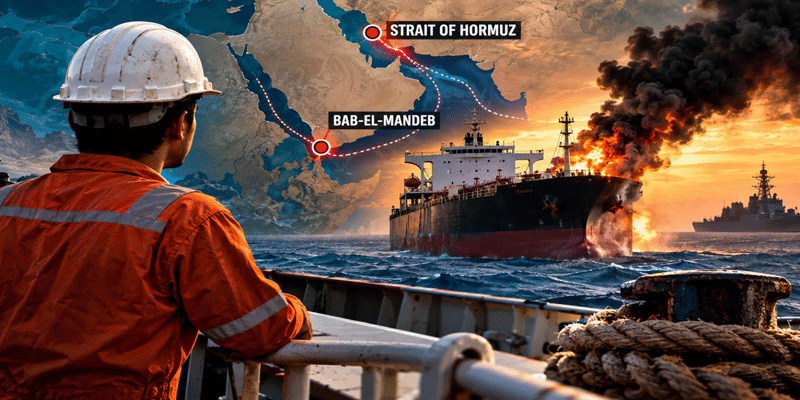
According to reports, negotiators concentrated on technical issues linked to restoring confidence in shipping through the Strait of Hormuz, one of the world's most critical energy corridors. Parallel discussions reportedly addressed the phased release of frozen Iranian assets and follow-up security measures designed to support broader diplomatic engagement.
The issue of frozen funds has long occupied a central place in US-Iran negotiations. Previous arrangements had transferred portions of Iranian oil revenues from South Korean banks to Qatar, but the money remained subject to strict restrictions under US sanctions. Against that backdrop, the reported release of $3 billion carries considerable political weight, even if the funds are earmarked primarily for humanitarian purposes rather than constituting comprehensive sanctions relief.
Why the Understanding Matters
The reported agreement extends beyond economics. Equally significant is the proposed establishment of a direct hotline between the two governments. In a relationship frequently marked by mistrust, military incidents, and proxy confrontations, an institutional communication channel could help prevent misunderstandings from escalating into broader conflicts.
This assumes greater importance because the Strait of Hormuz remains indispensable to global oil supplies. Even limited disruptions can trigger volatility in international energy markets and heighten geopolitical risks across the Gulf region.
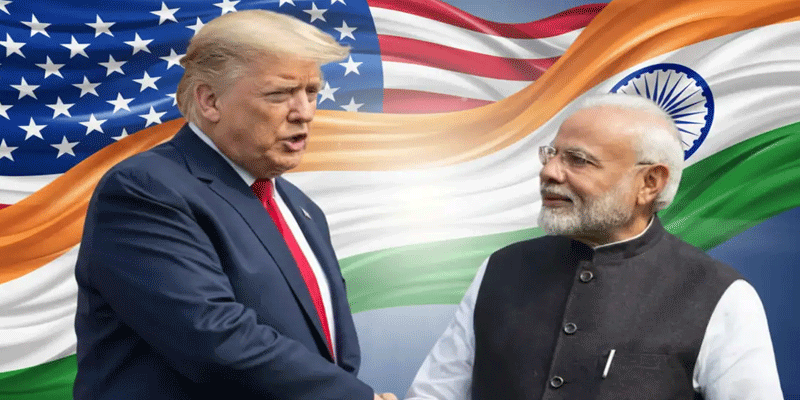
The development also aligns with President Donald Trump's recent assertion that denuclearization efforts are "moving along well." Such messaging reflects Washington's attempt to balance continued diplomatic engagement with sustained strategic pressure. At the same time, Tehran can portray the reported financial relief as evidence that negotiations are producing tangible outcomes without compromising its broader strategic objectives.
Detailed Report: What Is Next?
The next phase will depend entirely on implementation. If both sides fulfil their commitments, the immediate outcome could be reduced tensions surrounding Gulf shipping, greater predictability in managing frozen assets, and improved crisis communication.
More importantly, successful implementation could generate sufficient confidence to reopen broader negotiations on Iran's nuclear programme, sanctions, and regional security concerns.
However, the arrangement remains narrowly focused and highly vulnerable. Differences over verification, technical compliance, or domestic political opposition in either country could quickly derail the process before it matures into a lasting diplomatic framework.
A Test of Limited Diplomacy
The Doha understanding reflects an experiment in incremental diplomacy rather than a comprehensive peace initiative. By pairing partial economic relief with crisis-management mechanisms and continued negotiations, Washington and Tehran are testing whether limited agreements can gradually rebuild confidence. If implemented successfully, the framework could serve as a foundation for wider nuclear diplomacy and regional stability. If it falters, however, it will reinforce the enduring reality that tactical compromises alone cannot overcome decades of strategic mistrust between the two adversaries.
(With agency inputs)