
Delhi Government Announces New Measures to Tackle Winter Pollution
The Delhi government has unveiled a comprehensive framework to combat the city's recurring winter air pollution, introducing a series of long-term measures aimed at reducing emissions before they reach hazardous levels. Unlike previous years, when authorities largely relied on emergency restrictions after pollution peaked, the new strategy focuses on preventive action through stricter vehicle regulations, tighter controls on construction activities, work-from-home arrangements, and enhanced enforcement. The initiative reflects a broader shift towards treating winter pollution as a recurring governance and public health challenge requiring sustained intervention rather than temporary crisis management.
Why Winter Pollution Remains Delhi's Biggest Environmental Challenge
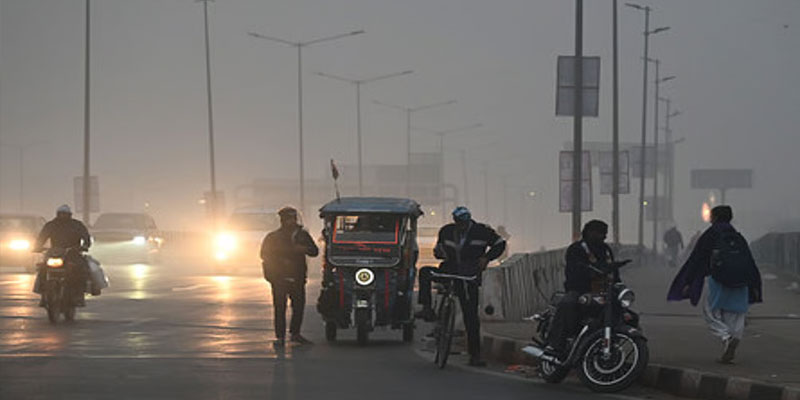
Delhi has witnessed severe air pollution every winter for several years, with the Air Quality Index (AQI) frequently slipping into the "very poor" and "severe" categories. A combination of low temperatures, calm winds, temperature inversion, vehicular emissions, construction dust, industrial pollution, biomass burning, and stubble smoke from neighbouring states often traps pollutants close to the ground, significantly worsening air quality.
The prolonged exposure to toxic air has been linked to respiratory illnesses, cardiovascular diseases, reduced productivity, and increased healthcare costs. Recognising that the pattern has repeated over the past three winters, the government has decided to institutionalise seasonal pollution-control measures instead of depending solely on emergency responses triggered by rising pollution levels.
Vehicle Restrictions to Reduce Emissions
One of the most significant measures is the implementation of the "No PUC, No Fuel" policy, under which vehicles without a valid Pollution Under Control (PUC) certificate can be denied fuel at petrol pumps throughout the year. The objective is to ensure continuous compliance with emission standards rather than periodic enforcement.
Additionally, from November 1 to January 31, non-BS-VI vehicles registered outside Delhi will not be permitted to enter the capital, except for exemptions covering CNG vehicles, electric vehicles, emergency services, and essential transport.
To discourage excessive private vehicle usage, parking charges across the city will also be doubled between November 1 and February 28, encouraging greater use of public transportation while reducing congestion-related emissions.
Dust Control, Construction Curbs and Workplace Measures
Recognising that construction dust significantly contributes to winter pollution, the government has announced stringent restrictions on construction and demolition activities. Most such work will remain prohibited from December 10 to January 20, except for essential public infrastructure projects.
Large commercial buildings, hotels, shopping malls, office complexes, and major construction sites will also be required to deploy anti-smog equipment such as mist cannons and other dust-suppression technologies.
To reduce traffic volumes during the peak pollution season, government and private offices will operate with 50 per cent physical attendance from November 1 to January 31, with the remaining employees working remotely.
The framework further strengthens enforcement through drone surveillance, stricter action against open burning, and legal accountability extending beyond individuals to institutions, contractors, and project supervisors responsible for violations.
Success Will Depend on Consistent Enforcement
Delhi's new winter pollution framework marks an important policy shift from reactive emergency measures to a structured, preventive compliance system. Although the regulations may increase costs for businesses, affect commuting habits, and temporarily slow construction activity, they also hold the potential to reduce long-term health risks and improve overall quality of life. Ultimately, however, the effectiveness of the plan will depend less on the announcement of new rules and more on their consistent implementation. If enforced rigorously, the framework could become a meaningful step towards cleaner winter air; if enforcement falters, Delhi may once again face the familiar cycle of seasonal pollution crises.
(With agency inputs)