

Food, Fuel and Medicine Scarcity Fuels Public Anger
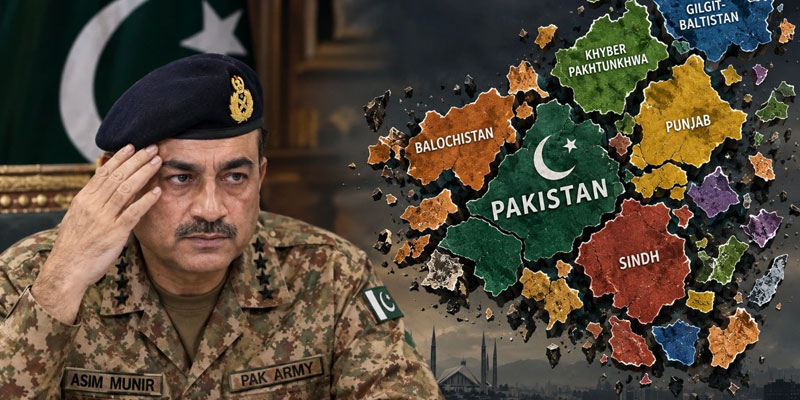
Pakistan-occupied Kashmir (POK) is witnessing a deepening humanitarian and political crisis as severe shortages of food, fuel and medicines continue to affect large parts of the region. Residents, activists and opposition groups have accused Islamabad of restricting the movement of essential supplies in an effort to weaken a growing protest movement, a charge that Pakistani authorities have strongly denied.
As conditions worsen, the crisis has evolved from an economic grievance into a broader political confrontation, raising questions about governance, public trust and Islamabad’s ability to manage unrest in the region.
Long-Standing Grievances Behind the Protests
The current turmoil did not emerge overnight. For months, residents of Pakistan-occupied Kashmir have expressed dissatisfaction over rising prices, reductions in subsidies, governance concerns and what many perceive as inadequate political representation.
These frustrations eventually coalesced into a sustained protest movement led by the Joint Awami Action Committee (JAAC), which has organized demonstrations and sit-ins demanding economic relief and greater accountability from authorities.
As protests expanded across the region, commercial activity slowed, transportation networks faced disruptions and supply chains came under pressure. The result has been growing difficulty in accessing basic necessities, particularly in remote and mountainous areas that rely heavily on limited transport routes.
Allegations of Supply Restrictions Intensify
The situation has become increasingly contentious as residents and opposition leaders allege that authorities have deliberately restricted the flow of essential goods into the region to pressure protesters into ending their agitation.
Reports from various media outlets suggest that trucks carrying flour, rice, vegetables, lentils and medicines have encountered delays, restrictions or obstacles at checkpoints and roadblocks. While Pakistani officials and local administrators maintain that no formal blockade exists and that deliveries continue, accounts emerging from affected communities paint a different picture.
Some reports have indicated that disrupting supply lines may have been viewed as a strategy to weaken protest encampments without resorting to direct force. Although authorities continue to reject allegations of a blockade, the persistence of shortages has made those denials increasingly difficult to defend in the public sphere.
Why the Crisis Is Becoming Politically Explosive
The controversy extends beyond supply disruptions. At its core lies a growing struggle between public discontent and state authority.
If shortages are primarily the result of protest-related shutdowns, the issue remains a consequence of civil unrest. However, if state institutions are perceived as intentionally restricting humanitarian supplies, the crisis takes on a far more serious political and ethical dimension.
For ordinary residents, the distinction matters little compared to the reality of empty shelves, rising prices, fuel scarcity and limited access to healthcare. As daily hardships intensify, public frustration is increasingly directed not only at economic conditions but also at the institutions responsible for managing them.
Humanitarian and Strategic Implications
The crisis highlights the vulnerability of Pakistan-occupied Kashmir’s supply network. Given the region’s difficult terrain and dependence on a limited number of transport corridors, even partial disruptions can rapidly escalate into widespread shortages.
Politically, the unrest risks transforming from a protest over governance and economic issues into a broader legitimacy challenge for Islamabad.
Dialogue May Offer the Only Sustainable Exit
The unfolding situation in Pakistan-occupied Kashmir demonstrates how attempts to contain dissent can sometimes deepen the very grievances they seek to suppress. Whether the shortages stem from protest disruptions, administrative decisions or a combination of both, the humanitarian consequences are becoming increasingly severe. Restoring the uninterrupted flow of food, fuel and medicines, while opening meaningful channels of dialogue with protest leaders, may be the most effective path toward de-escalation. Without such measures, the crisis risks further undermining public confidence and prolonging instability across the region.
(With agency inputs)