
Protest Photographs Removed Before Opening
Raihan Rajiv Vadra, son of Congress leader Priyanka Gandhi Vadra and nephew of Rahul Gandhi, has alleged that officials at Delhi’s government-run Bikaner House directed him to remove most of his protest photographs just hours before his exhibition opened. The controversy has reignited debate over artistic freedom, political expression and the responsibilities of publicly managed cultural institutions.
Vadra’s solo photography exhibition, No Idea Is Final, was scheduled to open on Wednesday evening near India Gate. According to his account, approximately four-and-a-half hours before the opening, he was asked to remove 75 of the 105 photographs or face cancellation of the exhibition.
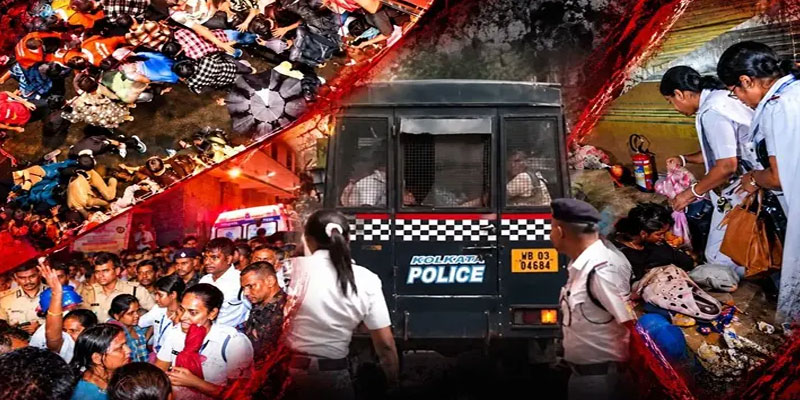
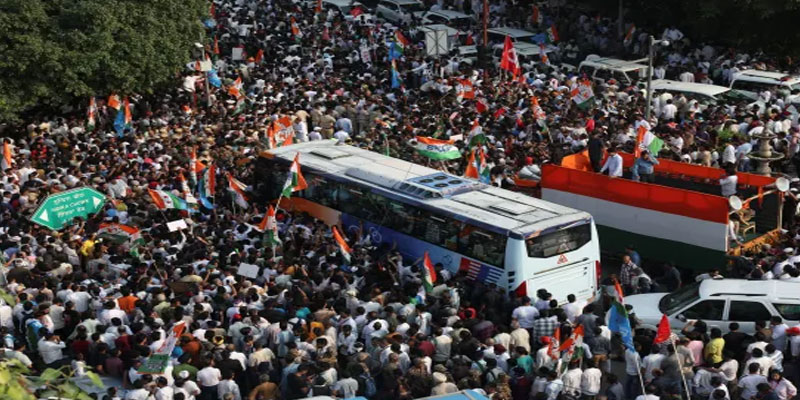
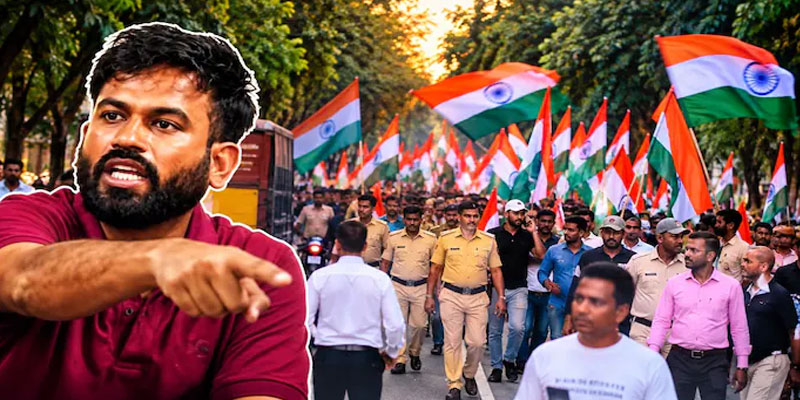
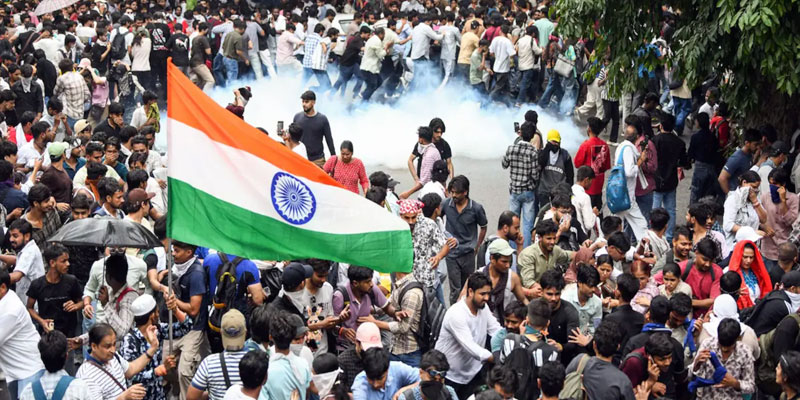
The images reportedly documented youth-led protests in Delhi this year, including demonstrations, police presence and detentions. Vadra said the venue described certain photographs as “objectionable” and also sought the removal of two images featuring the Indian tricolour, a demand he refused.
The exhibition eventually opened with a reduced collection. Empty walls, exposed nails and a catalogue listing withdrawn photographs became visible reminders of the dispute.
Venue Cites Policy, but Questions Remain
The Bikaner House Management Society said it had requested the removal of certain photographs because they were inconsistent with its policies. However, it did not publicly identify the specific images or explain precisely which rules they allegedly violated.
Vadra has questioned the timing, stating that he shared the exhibition layout on October 15 and received a response before the last-minute demands. He has indicated that he will seek another venue to display the complete series.
The central unresolved issue is whether the decision followed transparent, consistently applied administrative rules or whether the political sensitivity of the images influenced the outcome.
Political Context Intensifies the Dispute
The controversy comes amid heightened attention surrounding youth-led protests, including demonstrations associated with the Cockroach Janta Party. Vadra’s family connections have added a partisan dimension, with Congress figures portraying the episode as suppression of dissent and the BJP dismissing the controversy as political theatre.
However, the available accounts do not independently establish that the photographs were removed specifically because of their political content.
Key Issues
· The exhibition proceeded: Visitors saw a reduced collection, while Vadra intends to display the complete series elsewhere.
· The venue has cited policy: Its failure to specify the photographs or rules involved has left key questions unanswered.
· Public institutions face scrutiny: Government-managed cultural spaces must balance legitimate administrative requirements with artistic expression.
· Transparency is essential: The written booking conditions, the photographs questioned and the decision-making process will be crucial to assessing the dispute.
Artistic Freedom Must Survive Political Differences
Ultimately, the controversy extends beyond one photographer or exhibition. Public institutions have a right to enforce reasonable rules, but those rules should be clear, impartial and consistently applied. Equally, artists must be able to document protest and dissent without arbitrary interference. A transparent explanation from the venue would help establish whether this was routine administration or an unjustified restriction on expression.
(With agency inputs)