
Trump Warns Iran After Gulf Drone Attacks Escalate
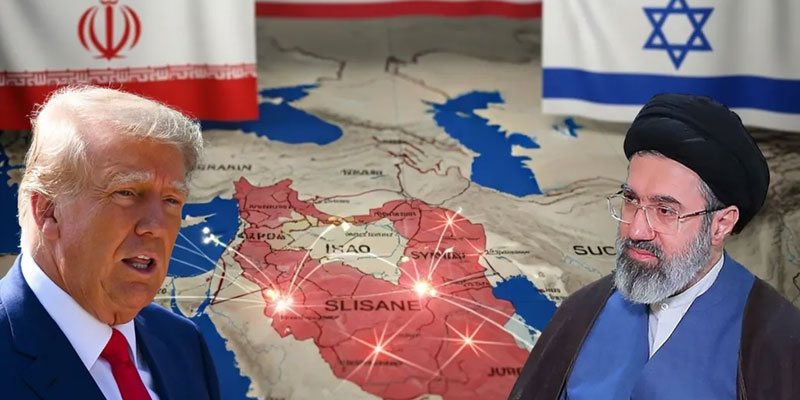
The U.S. and Iran remain locked in a standoff following Iranian drone attacks on CIA facilities in the Gulf, with Donald Trump threatening to impose 200% tariffs on generic drugs and bomb Iranian infrastructure for every ship targeted in the Strait of Hormuz. The latest developments mark a significant escalation in an already fragile relationship, expanding the confrontation beyond conventional military and nuclear issues into intelligence warfare, maritime security and global trade. Together, these actions have heightened concerns over their potential impact on energy supplies, pharmaceutical markets and regional stability.
From Shadow Conflict to Open Escalation
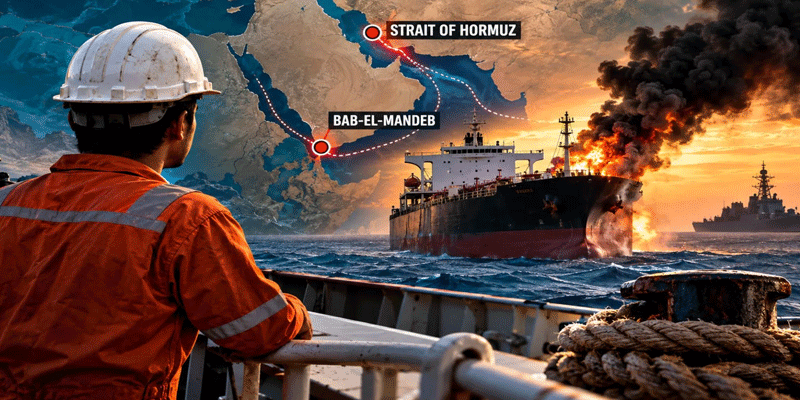
Tensions in the Strait of Hormuz intensified earlier in 2026 after Iran allegedly used drones and naval assets to harass commercial shipping through one of the world's most critical energy corridors. In response, the United States and its allies carried out strikes on Iranian military positions to ensure freedom of navigation.
Iranian Drone Attacks Expand the Conflict
According to recent reports, Iran has launched drone attacks on facilities in the Gulf believed to support CIA intelligence and covert operations.
The attacks are significant because they:
· Target intelligence infrastructure rather than conventional military bases.
· Challenge Washington's covert operational capabilities in the region.
· Increase the risk of further retaliatory military action.
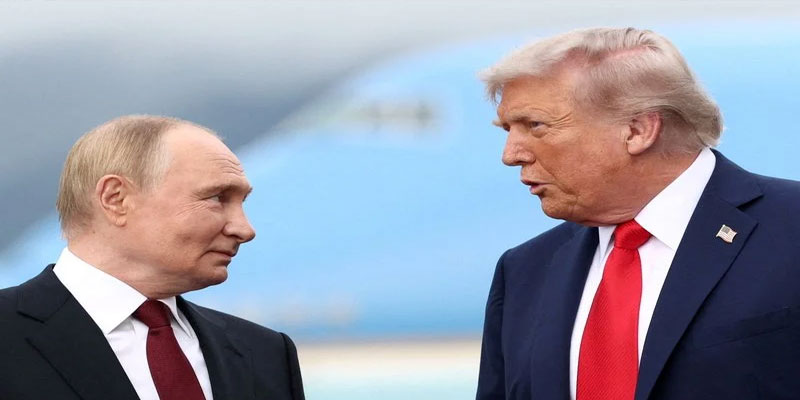
· Raise concerns over reports that US intelligence is examining whether Russia provided targeting intelligence or advanced drone technology to Iran.
If such external involvement is confirmed, the confrontation could evolve into a broader geopolitical contest extending beyond the Middle East.
Trump Signals Tougher Economic and Military Response
Alongside the military escalation, Donald Trump has outlined an aggressive economic strategy centred on imported generic medicines.
The proposed tariff roadmap includes:
· Zero tariffs for the initial two years.
· 100% tariffs during the third year.
· 200% tariffs thereafter on imported generic pharmaceuticals.
Trump has presented the proposal as a measure to strengthen domestic pharmaceutical manufacturing and reduce dependence on overseas supply chains.
Simultaneously, he warned that for every commercial vessel targeted by Iran in the Strait of Hormuz, the United States would respond by bombing Iranian infrastructure, including strategic military and logistical assets. Such a policy would significantly lower the threshold for direct military retaliation and increase the possibility of rapid escalation.
Global Economic and Strategic Implications
The latest developments carry far-reaching consequences across multiple sectors.
Key implications include:
· Healthcare: Steep tariffs on generic medicines could increase healthcare costs in the US while disrupting global pharmaceutical supply chains.
· Energy markets: Continued instability in the Strait of Hormuz threatens oil and gas shipments, potentially driving global energy prices higher.
· Regional security: Automatic military retaliation risks creating a cycle of escalating attacks between Iran and the United States.
· Geopolitics: Alleged Russian support for Iranian drone capabilities, if verified, could widen the conflict into a more complex multi-power strategic confrontation.
A Crisis with Global Consequences Beyond the Gulf
As military threats intensify alongside sweeping trade proposals, the risks extend well beyond the Middle East. Any disruption to shipping lanes or pharmaceutical supply chains could ripple through the global economy, affecting energy security, healthcare costs and international trade. Preventing further escalation will therefore require sustained diplomatic engagement, as continued retaliation risks transforming a regional crisis into one with far-reaching global consequences.
(With agency inputs)