A Deadly Attack Shakes Saudi Arabia’s Aviation Network
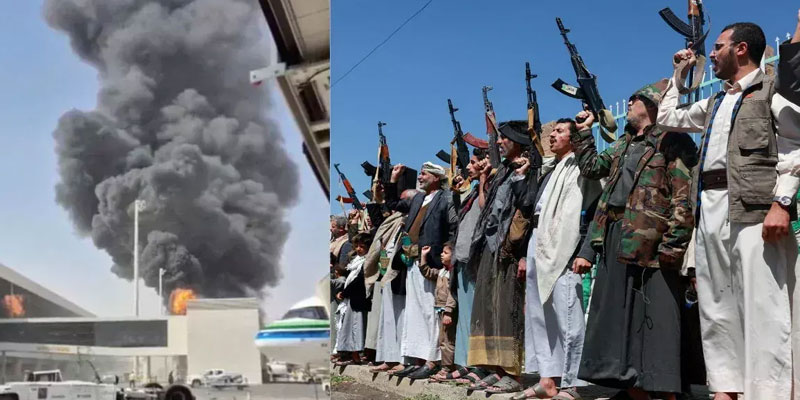
A reported Houthi missile strike on Riyadh’s King Khalid International Airport on October 10, 2026, has raised serious concerns over civilian safety, regional security and the stability of international air travel. The reported death toll rose to 13 after an Indian national succumbed to injuries, while hundreds of others were reportedly injured. Another projectile struck Passenger Hall 4 the following day, triggering a fire and further disruption. The incidents prompted airport closures, flight cancellations and renewed warnings to travellers, turning a major civilian aviation hub into a focal point of the widening Yemen conflict.
From Yemen’s Civil War to Cross-Border Retaliation
The confrontation has its roots in Yemen’s political and military crisis. The Iran-aligned Houthi movement seized the capital, Sanaa, in 2014, prompting Saudi Arabia to intervene militarily in 2015 in support of Yemen’s internationally recognised government.
A United Nations-brokered truce in 2022 reduced large-scale fighting but failed to deliver a lasting political settlement. Renewed regional tensions have since increased the risk of escalation.
The Houthis have presented their latest operations as retaliation for Saudi airstrikes in Yemen, while Saudi authorities and the Saudi-led coalition have blamed the group for attacks on airports and other strategic targets. This cycle of retaliation threatens to undermine diplomatic efforts and expose civilians to mounting danger.
Civilian Aviation Becomes a Strategic Pressure Point
The Houthis also warned airlines, airport employees and passengers against using Saudi airports and airspace, further complicating travel decisions.
The disruption has extended across international aviation networks:
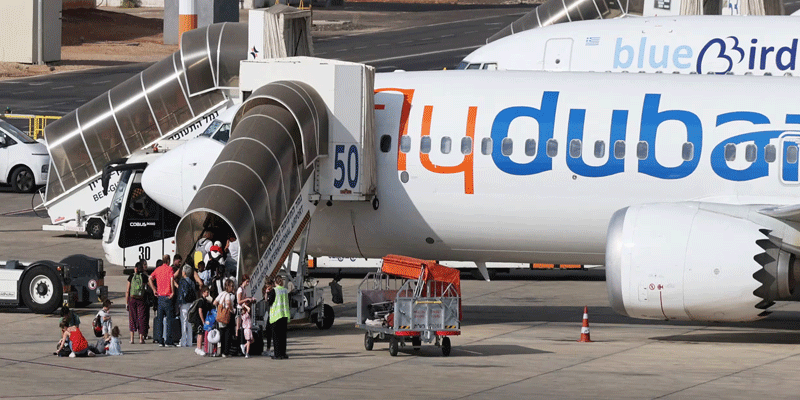
· Flight cancellations: Etihad Airways, Emirates, Lufthansa Group and SriLankan Airlines reportedly cancelled or suspended services to Riyadh for varying periods.
· Safety concerns: European aviation authorities widened warnings over risks associated with missiles, drones, air-defence operations and falling debris.
· Economic consequences: Prolonged disruption threatens airline revenues, passenger confidence, cargo movements and Saudi Arabia’s ambition to strengthen its position as a regional aviation hub.
Even when attacks do not directly damage every airport, the possibility of further strikes can prompt airlines and insurers to reassess operational risks, affecting connectivity well beyond the immediate conflict zone.
India’s Concerns and the Safety of Its Nationals
India condemned attacks on civilian infrastructure as “completely unacceptable” and advised its nationals in Saudi Arabia to remain alert and follow local authorities’ instructions. The kingdom hosts approximately 2.74 million Indians, making the crisis particularly significant for migrant workers, families and business travellers.
Indian passengers affected by cancellations should verify flight schedules directly with airlines, monitor official advisories and avoid travelling to affected airports without confirmation of operations. Protecting the Indian community remains a priority as uncertainty over further attacks persists.
Preventing a Wider Regional Crisis
The Riyadh airport attacks demonstrate how unresolved conflicts can extend beyond battlefields to threaten civilian infrastructure, international mobility and economic stability. Saudi Arabia faces the challenge of protecting its airports without triggering a wider confrontation, while the Houthis’ continued attacks risk deepening regional insecurity.
The priority must be civilian protection, restraint and renewed diplomacy. Airport closures and flight suspensions may offer temporary safeguards, but lasting security requires preventing further attacks and addressing the political roots of Yemen’s conflict. Without sustained diplomatic engagement, the consequences could spread far beyond Saudi Arabia, disrupting international aviation and placing millions of civilians at greater risk.
(With agency inputs)