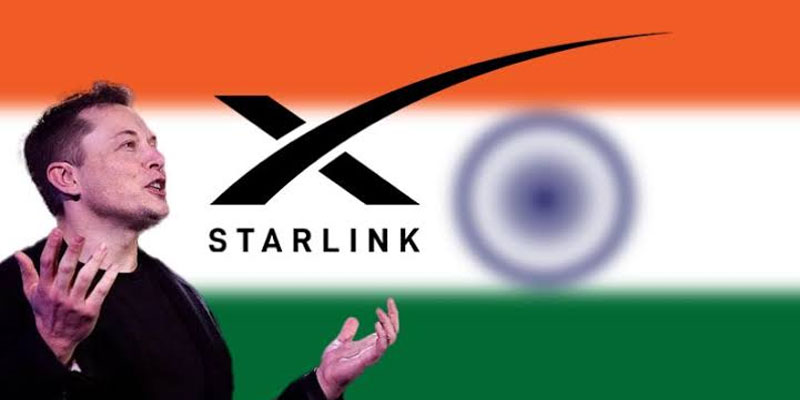


Starlink, the satellite broadband venture of SpaceX, has reportedly leased its first office space in North India, signaling a decisive step in its India expansion plans. Located in New Delhi, the new office is expected to function as a central coordination and operational hub as Starlink prepares for a potential commercial launch in the country.
Industry reports suggest that the move reflects Starlink’s intention to deepen its on-ground engagement with key stakeholders, including policymakers, regulators, and enterprise partners. While the company has been interacting with Indian authorities over licensing and compliance requirements, establishing a physical presence in the national capital points to a more structured, long-term approach to the market.
From an analytical perspective, the timing of the development is noteworthy. India is accelerating efforts to expand digital connectivity, particularly in rural, remote, and geographically challenging regions where traditional terrestrial infrastructure remains difficult to deploy. Low Earth Orbit (LEO) satellite broadband services like Starlink are increasingly viewed as a complementary solution to fiber and mobile networks, capable of addressing last-mile connectivity gaps.
That said, Starlink’s path forward is not without hurdles. Regulatory clearances, spectrum policies, and the challenge of designing pricing models suitable for India’s highly cost-sensitive market will be crucial to its success. The competitive landscape is also heating up, with multiple global and domestic players exploring satellite broadband opportunities.
In this context, the Delhi office could prove strategically important. Its proximity to central ministries and regulators may enable more effective policy engagement and faster decision-making. Overall, Starlink’s move goes beyond a simple real estate transaction—it signals growing confidence in India’s satellite internet potential and a serious bid to participate in the country’s next phase of digital connectivity growth.