
Morning Math of a Household Budget
On the morning after Union Budget 2026–27, conversations across tea stalls, kitchens, and bus stops sounded strikingly similar: “Is zindagi sasti hui ya mehngi?” The new Budget doesn’t arrive with dramatic giveaways, but it quietly reshapes everyday spending. Some habits pinch harder, while daily conveniences ease up. For the common man, this Budget feels less like a lottery ticket and more like a careful nudge—steering choices rather than splurging cash.
A Budget That Nudges Behaviour
Union Budget 2026–27 walks a tightrope between fiscal discipline and household relief. Instead of flashy tax cuts, it leans on indirect changes—duties, cess adjustments, and compliance tweaks—that influence what people buy, save, or avoid. The result is a mixed basket: indulgences and “sin goods” grow pricier, while essentials, healthcare, mobility, and digital living become more affordable.
What Burns the Pocket: The Costlier Side of Life
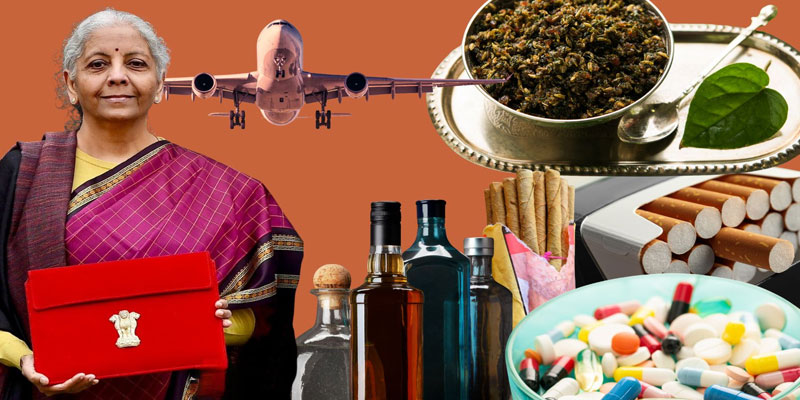
The sharpest sting is reserved for products the government wants citizens to consume less of. Cigarettes and tobacco products now carry steeper excise and health cesses, pushing prices up significantly. Alcohol—especially imported and premium varieties—also sees a moderate hike as customs duties are rationalised. The message is clear: healthier choices are being fiscally encouraged.
Urban lifestyles feel another pinch at cafés and bars. Imported coffee beans, roasting equipment, and certain luxury food inputs lose duty exemptions, translating into higher menu prices. Luxury watches and non-essential imports also get costlier as concessional duties are withdrawn, reinforcing the “Make in India” preference.
For market-savvy households, speculative trading becomes more expensive. The doubling of Securities Transaction Tax on futures and options raises transaction costs, discouraging frequent short-term bets.
What Brings Relief: Where the Budget Softens the Load
On the brighter side, healthcare relief stands out. Several life-saving drugs—especially for cancer, rare diseases, and chronic conditions—are now exempt from basic customs duty. For families managing long-term treatment, this could mean noticeable monthly savings.
Household consumption also gets a boost. Reduced duties on electronic components make domestically manufactured smartphones, tablets, and kitchen appliances cheaper. For many families, this translates into affordable upgrades for digital payments, online education, and home convenience.
Green living becomes more accessible. Electric vehicle batteries, solar glass, and renewable energy components are now duty-free, lowering the cost of EVs and rooftop solar systems. Over time, this can ease fuel bills and electricity expenses.
Travel and personal imports see rationalisation too. Lower customs duty on baggage and reduced TCS on overseas travel and education ease the burden for families planning trips or funding children’s studies abroad.
Taxes, Savings, and Silent Gains
Direct tax slabs remain unchanged, which may disappoint those expecting headline relief. However, continuity in the new tax regime—with a higher effective tax-free threshold and improved NPS benefits—offers steady gains for salaried savers. Compliance simplification, staggered ITR filing, and reduced TDS friction quietly reduce stress rather than tax bills.
Small Shifts, Lasting Impact
Union Budget 2026–27 may not feel instantly rewarding, but its design is deliberate. By making unhealthy, speculative, and luxury consumption costlier while easing access to healthcare, technology, green mobility, and savings, it reshapes household priorities. For the common Indian, the Budget doesn’t dramatically change the monthly balance sheet—but it subtly improves the quality of choices. In a year focused on stability and long-term growth, that quiet recalibration may prove more valuable than short-term cheer.
(With agency inputs)