Oil prices fell around 2% on October 15 as the United States considered easing sanctions on selected vessels in Russia’s so-called “shadow fleet,” potentially increasing tanker availability and easing elevated freight costs. However, escalating attacks on commercial shipping in the Strait of Hormuz and Ukraine’s renewed strikes on Russian oil refineries continued to threaten supplies, limiting the market’s decline. The competing developments have left energy traders balancing possible logistical relief against persistent geopolitical risks.
Why Washington Is Considering Sanctions Relief
The shadow fleet consists largely of ageing tankers operating through complex ownership structures and often limited regulatory oversight to transport Russian, Iranian and Venezuelan oil and petroleum products while circumventing Western sanctions.
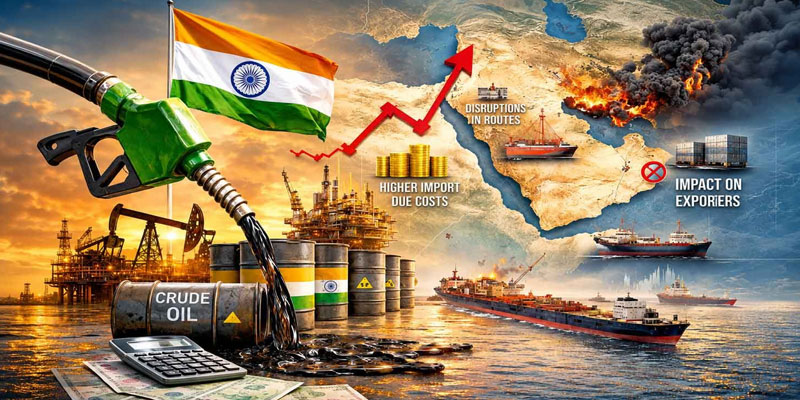
The conflict involving Iran has disrupted Gulf shipping, reduced tanker movements and pushed freight costs sharply higher. These pressures have tightened crude and diesel supplies, keeping oil prices elevated.
The Trump administration is considering limited relief for certain vessels to improve shipping flexibility and ease fuel-price pressures. The US Department of Energy has indicated that the proposed measure would not enable Russia to ship additional oil or petroleum products, suggesting a focus on transport logistics rather than a wholesale rollback of sanctions.
Oil Prices Reverse Previous Gains
The retreat followed the previous session’s gains, when Brent settled at $106.06 amid mounting concerns over shipping security in the Middle East.
The market is responding to two opposing forces:
· Bearish factors: Potential sanctions relief could expand tanker availability, reduce freight costs and improve the movement of petroleum products.
· Bullish factors: Attacks on commercial vessels and renewed Ukrainian strikes on Russian energy infrastructure threaten supply continuity.
Strait of Hormuz Remains a Major Supply Risk
The Strait of Hormuz, a critical route for global energy shipments, remains a major source of uncertainty. Attacks on vessels have reportedly reached their highest level since the conflict began, while Iran has threatened to intensify strikes in response to the US blockade of its ports and tighter sanctions.
A container ship and a dry bulk carrier reportedly sank after separate projectile strikes near the strait. On October 13, only seven tankers transited the waterway, less than half the seven-day average and the lowest number since July 23.
The disruption demonstrates how quickly security threats can restrict energy flows, raise insurance premiums and increase transportation costs, even when crude production remains available elsewhere.
Ukraine’s Renewed Strikes Threaten Russian Fuel Exports
Ukraine resumed attacks on Russian energy infrastructure on October 15, with drones reportedly striking a refinery in the Ryazan region, southeast of Moscow, and triggering a fire.
President Volodymyr Zelenskyy said Kyiv had ended a three-day pause in energy-infrastructure strikes after Moscow allegedly failed to honour a US-brokered energy ceasefire.
Russia is a major diesel exporter, making refinery disruptions significant for international fuel markets. The renewed attacks also complicate Washington’s reported efforts to ease diesel-price pressures through a proposed purchase of 1.8 million tonnes of Russian diesel and possible shipping-related sanctions relief.
Supply Security Will Determine the Next Price Move
Oil markets remain caught between potential improvements in shipping capacity and escalating geopolitical disruptions. The International Energy Agency expects pressure on global diesel supplies to persist into 2027, leaving refined-product markets particularly sensitive to further interruptions.
Ultimately, cheaper shipping alone cannot guarantee lower oil prices while critical energy routes remain exposed to conflict. Any easing of shadow-fleet restrictions may offer temporary relief, but sustained price moderation will depend on safer tanker movements, stable refinery operations and reliable supply flows. Until those conditions improve, oil markets are likely to remain volatile, with every diplomatic initiative or military escalation capable of shifting prices sharply in either direction.
(With agency inputs)