
Cash-at-Home Row Enters a Constitutional Grey Zone
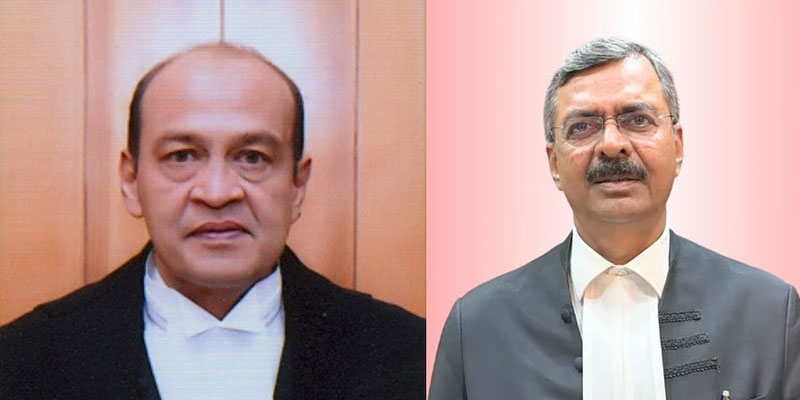
The Justice Yashwant Varma cash-at-home case has entered an unprecedented constitutional phase after a parliamentary inquiry committee found all three charges against the former Allahabad High Court judge “proved”, despite his resignation in April 2026. The development has transformed what began as a controversy over unaccounted cash into a landmark debate on judicial accountability, raising a critical question: Can Parliament continue acting against a judge who no longer holds office?
How the Controversy Unfolded
The case traces its origins to March 2025, when a fire broke out at Justice Varma’s official residence in Delhi. During the firefighting operation, authorities reportedly discovered a substantial quantity of ₹500 currency notes in a storeroom, triggering intense scrutiny over their source and ownership.
The incident quickly escalated into a judicial accountability issue, leading to the constitution of a three-member Judges Inquiry Committee under the Judges (Inquiry) Act, 1968. Before the impeachment process could conclude, Justice Varma submitted his resignation on April 9, 2026, setting the stage for an unusual constitutional dilemma.
Parliamentary Panel Finds All Three Charges Proved
The committee’s report, tabled in both Houses of Parliament on August 12, 2026, concluded that all three articles of charge stood proved.
The panel found that Justice Varma:
· Failed to satisfactorily explain the presence, source or ownership of the cash found at his residence.
· Did not ensure that crucial material evidence was properly secured or preserved.
· Gave responses that the committee described as evasive, lacking candour, transparency and institutional responsibility.
While the committee recommended “such further action as may be considered in accordance with law,” it deliberately stopped short of prescribing a specific course of action.
Can Parliament Remove a Judge Who Has Already Resigned?
The committee’s findings have revived a fundamental constitutional debate.
Under Article 217(1) of the Constitution, a High Court judge ceases to hold office upon submitting a resignation to the President. A 1978 Constitution Bench judgment of the Supreme Court clarified that such resignation is a unilateral act that becomes effective without requiring presidential acceptance.
Many constitutional experts argue that this effectively ends impeachment proceedings because Parliament cannot remove someone from an office they no longer occupy. Former parliamentary inquiry participants have similarly argued that a removal motion becomes legally infructuous once resignation takes effect.
The Counter-Argument: Accountability Should Continue
The government and several constitutional scholars, however, offer a different interpretation.
They argue that allowing resignation to automatically terminate proceedings would create an escape route for judges facing serious allegations. Since the inquiry was initiated and admitted before Justice Varma resigned, they contend that Parliament still has a legitimate interest in considering the committee’s findings.
Supporters of this view also argue that the report could influence decisions relating to pension, retirement benefits and any future legal proceedings, even if formal impeachment becomes impossible.
A Defining Test for Judicial Accountability
Most legal observers believe that a formal removal vote is unlikely because Justice Varma has already vacated judicial office. Yet the inquiry report remains significant as an official institutional record that may carry consequences beyond impeachment.
The case has exposed a constitutional gap between resignation and accountability, prompting calls to revisit the Judges (Inquiry) Act and related constitutional provisions. Whether Parliament proceeds or not, the Justice Varma episode has become a defining moment in India's ongoing effort to balance judicial independence with meaningful accountability.
(With agency inputs)