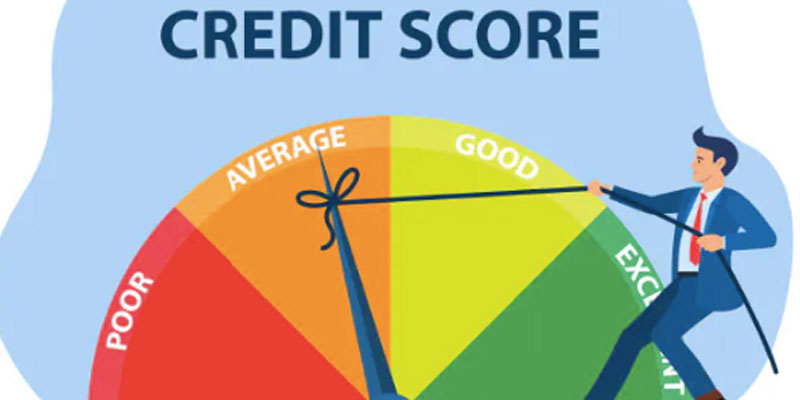
A CIBIL credit score can decide whether someone qualifies for a car loan, home loan, or even a credit card. Yet very few Indians understand how CIBIL functions—or who controls it. Critics argue that its opaque processes and lack of accountability leave borrowers vulnerable, raising urgent questions about transparency.
CIBIL is operated by TransUnion CIBIL Ltd., a private credit bureau regulated by the RBI under the Credit Information Companies (Regulation) Act. The firm collects borrower data from banks, NBFCs, and credit card companies on a monthly basis to generate credit scores. But recent reports of delays in updating records have left many borrowers struggling with loan disbursements or facing outright denials.
The issue reached Parliament when Karti P. Chidambaram, MP from Tamil Nadu, called out CIBIL’s lack of transparency. “Whether it’s a car loan or a house loan, everything depends on CIBIL. Yet no one knows how this private company operates. There is no appeal mechanism. Farmers repay using subsidies, or settle with ARCs, but CIBIL often doesn’t update it,” he said, demanding greater accountability.
CIBIL is one of four major credit bureaus in India, alongside Equifax, Experian, and CRIF High Mark. While all operate under RBI oversight, each has its own methodology, and the exact algorithm remains proprietary. Borrowers only receive broad guidelines—such as payment history, credit utilisation, and loan mix—but not the weightage assigned to each factor.
Errors are not uncommon. A missed update or mislinked account can drag down a score. Borrowers can file a dispute with CIBIL, which typically takes up to 30 days to resolve. Until corrected, the entry is marked “Under Dispute.”
Experts caution that even small missteps can damage a score—such as irregular EMI payments, overusing credit limits, applying for multiple loans, or paying only the minimum on credit cards. A strong score (750+) improves loan approvals and lowers interest rates; a weak one does the opposite.
The debate highlights a paradox: while CIBIL scores shape financial futures, the system remains little understood by those it rates. Regulators argue it follows global norms, but borrowers demand more transparency and redressal.
This article is the first in our three-part series: CIBIL Decoded. In upcoming pieces, we will explore how credit scores are calculated and practical steps borrowers can take to protect their financial health.