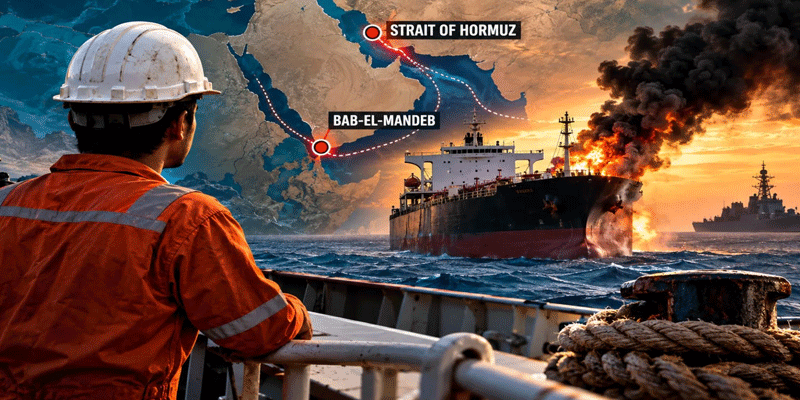

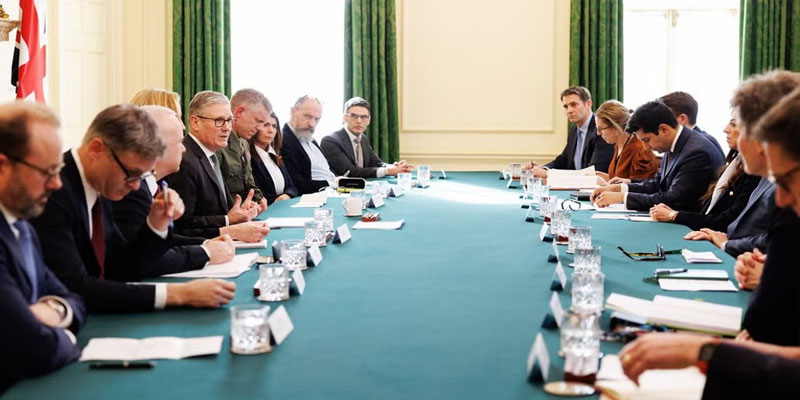
The United Kingdom is set to host a virtual summit involving 35 nations to chart a path for reopening the Strait of Hormuz—a critical artery for global energy flows. The talks come amid heightened tensions following the Iran conflict, which has effectively disrupted shipping through the Strait. By convening a broad coalition, London is positioning itself at the centre of efforts to stabilise one of the world’s most vital maritime chokepoints.
A Multilateral Push to Restore Navigation
The proposed summit reflects a clear shift toward collective crisis management. With participation from major economies including France, Germany, Japan, and Gulf states, the initiative aims to build consensus on restoring safe passage for commercial shipping. Notably, the United States is not expected to be part of the core discussions, highlighting a divergence in approach. While Washington has signalled a more unilateral stance, the UK-led effort seeks a coordinated, rules-based solution anchored in diplomacy and shared responsibility.
Security First: Mines and Maritime Protection
A key focus of the talks will be operational—clearing mines and ensuring tanker security. The reopening strategy is expected to unfold in phases, beginning with mine-clearing operations to remove immediate hazards, followed by the deployment of coordinated naval and aerial patrols to safeguard shipping lanes. This layered approach underscores the complexity of restoring normalcy in a conflict-affected zone, where even partial disruptions can have outsized global consequences.
Prime Minister Keir Starmer has emphasised that reopening the Strait will require both military coordination and sustained diplomatic engagement. The message is clear: no single country can manage the crisis alone, and burden-sharing will be essential to ensure long-term stability.
Europe’s Strategic Assertion
Beyond logistics, the initiative carries strong geopolitical undertones. By excluding the US from the central diplomatic forum, the UK and its European partners are signalling a desire for greater strategic autonomy. The move reflects a broader sentiment across Europe that the current conflict is not directly theirs to prosecute, even as its economic consequences are deeply felt. In stepping forward as convenors, European powers are attempting to reshape the regional security framework, reducing reliance on US-led interventions.
Global Stakes: Energy and Economic Stability
The Strait of Hormuz handles a significant share of global oil and LNG shipments, making its disruption a direct threat to economic stability worldwide. For countries like India, which depend heavily on energy imports routed through this corridor, the stakes are particularly high. Prolonged closure or instability can drive up fuel costs, strain trade balances, and fuel inflationary pressures.
A successful UK-led coalition could help stabilise energy markets by restoring confidence in supply chains. Rapid progress from diplomacy to coordinated maritime action would be critical in preventing a prolonged economic fallout.
Diplomacy Meets Strategic Necessity
The UK’s initiative to convene 35 nations marks a pivotal moment in managing the Strait of Hormuz crisis. It blends diplomacy with security planning, while also redefining the balance of global leadership in conflict resolution. The challenge now lies in translating consensus into action. If successful, the effort could not only reopen a vital trade route but also set a precedent for multilateral crisis management in an increasingly fragmented geopolitical landscape.
(With agency inputs)