
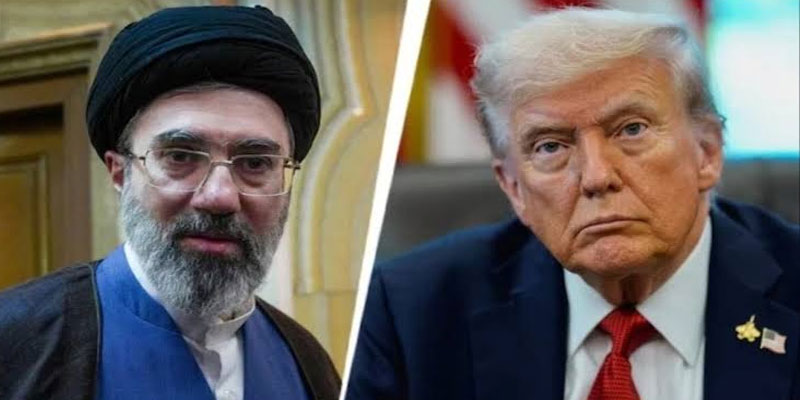
According to a CNN Breaking News report citing seven US officials, intelligence assessments suggest that Iran is exploring potential attacks against senior members of President Donald Trump's administration.
Key Highlights
-
Alleged Iranian threat: CNN reports that US intelligence indicates possible Iranian planning against senior Trump administration officials.
-
Unconventional weapons concern: The reported scenarios involve a radioactive dirty bomb or chemical weapon, presenting different public safety risks.
-
No confirmed imminent attack: US officials reportedly disagree about Iran's capability and intention to execute such a plot.
-
National security implications: The allegations underscore the importance of intelligence verification, preventive security, emergency preparedness, and avoiding premature geopolitical escalation.
The reported plans involve detonating a so-called dirty bomb or deploying a chemical weapon in Washington, potentially targeting high-ranking government officials.
However, US officials remain divided over whether Iran possesses the capability, operational readiness, or actual intention to execute such an attack.
A dirty bomb combines conventional explosives with radioactive material to disperse contamination. Unlike a nuclear weapon, it does not produce a nuclear explosion, but could trigger panic, contamination concerns, and significant economic disruption.
Chemical weapons present a different threat, potentially causing mass casualties depending on the substance, concentration, exposure, and effectiveness of emergency response measures.
The intelligence reportedly reflects growing concerns about unconventional threats against American political leadership amid continuing tensions between Washington and Tehran.
Nevertheless, intelligence indicating possible planning does not establish that an attack is imminent. Authorities must distinguish preliminary threat assessments from verified operational preparations.
The reported scenario highlights the importance of intelligence coordination, protective security, hazardous-material detection, and emergency preparedness across sensitive government locations.
It also raises questions about whether sophisticated surveillance, encrypted communications, and covert networks could complicate efforts to identify potential attackers before an incident occurs.
From a strategic perspective, any credible unconventional attack threat could intensify diplomatic tensions, influence US security policy, and increase pressure for stronger counterterrorism measures.
The central challenge is balancing vigilance with evidence. While the reported intelligence warrants serious investigation and proportionate protective measures, allegations must not be presented as confirmed Iranian operational activity. Independent corroboration, intelligence validation, and careful public communication remain essential to preventing misinformation, unnecessary escalation, and widespread public fear.