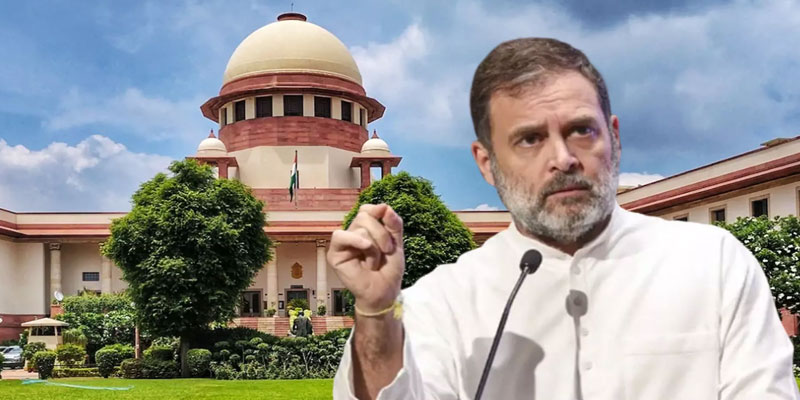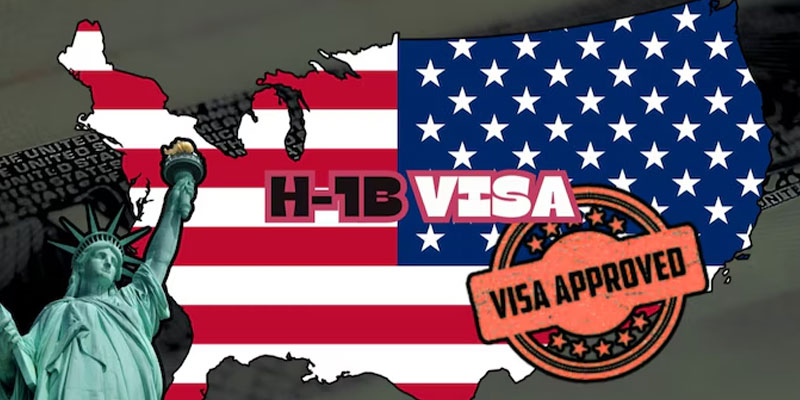
In a surprising twist, IIT Madras director Kamakoti Veezhinathan welcomed the controversial move by former U.S. President Donald Trump to impose a steep $100,000 fee on new H-1B visa applications, describing it as a "blessing in disguise" for India's academic and research ecosystem.
A Shift in the Indian Mindset
Reacting to the announcement, Veezhinathan told news agency ANI:
“The craze for going to the USA is gone. I see this as a blessing in disguise, and we must thank President Trump for it. We must take full advantage of this.”
Explaining his perspective, he emphasized the two-fold impact of the policy:
1. It may discourage Indian students from seeking employment in the U.S. after graduation.
2. More importantly, it could encourage top talent to remain in India, contributing to domestic research, innovation, and industry.
“As director of IIT-Madras, I am happy that our graduates will stay here and contribute to national development. In the last five years, only around 5% of our students went abroad. The appeal of the U.S. is not what it once was,” he added.
The H-1B Shockwave in the U.S.
The Trump administration's decision—announced on a Friday—sent shockwaves through the U.S. tech and healthcare industries. The new policy increased H-1B application costs nearly 50-fold, triggering panic among Silicon Valley firms, immigration attorneys, and foreign workers alike.
By Saturday, the White House issued clarifications, noting that the fee applied only to new applicants and would be a one-time charge. However, the long-standing H-1B visa program, historically instrumental in fueling U.S. innovation, was already facing heightened scrutiny.
For decades, the H-1B visa has been a symbol of opportunity for thousands of skilled Indian professionals and a strategic resource for the U.S. economy. It connected India's engineering colleges with America’s tech corridors and medical institutions, reshaping both nations.
· Indian nationals dominate H-1B applications, accounting for over 70% in recent years.
· In the tech sector, Indian professionals have held over 80% of H-1B computer-related jobs, according to U.S. immigration data.
The healthcare sector also heavily depends on Indian talent. In 2023 alone, over 8,200 H-1Bs were approved for general medicine and surgical hospitals. Indian-origin physicians now make up nearly 6% of the entire U.S. physician workforce.
Critics argue that the $100,000 fee is economically unviable, especially for new hires. In 2023, the median salary for first-time H-1B employees was $94,000, lower than the proposed application fee itself. In contrast, existing H-1B holders had a median salary of $129,000. Experts warn that this disparity could deter companies from hiring fresh international talent, choking off a vital pipeline.
While U.S. businesses and policymakers express concern over the potential talent drain, voices like Director Veezhinathan’s suggest that the disruption could serve as a catalyst for India’s own innovation economy. With fewer graduates leaving the country, institutions like IIT Madras see a chance to retain talent, accelerate research, and drive indigenous development.