A Landmark Protest Venue Loses Official Status
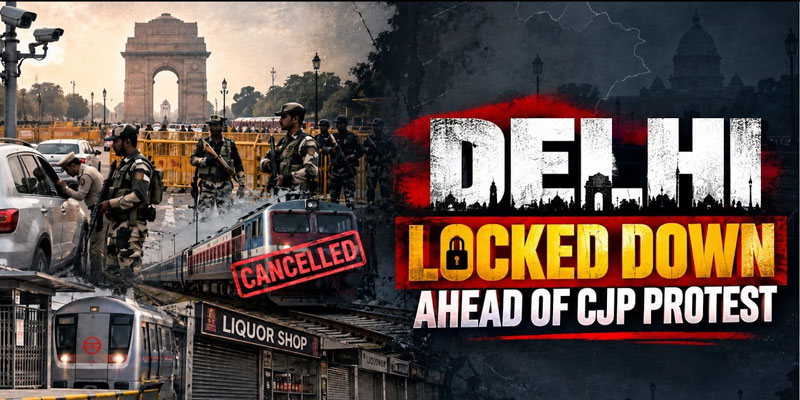
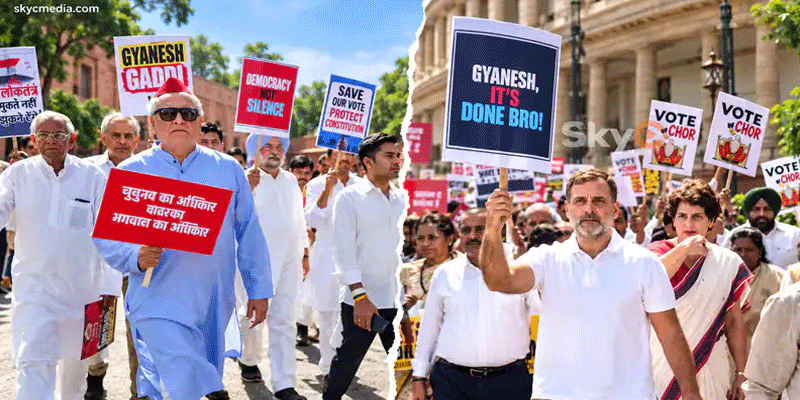
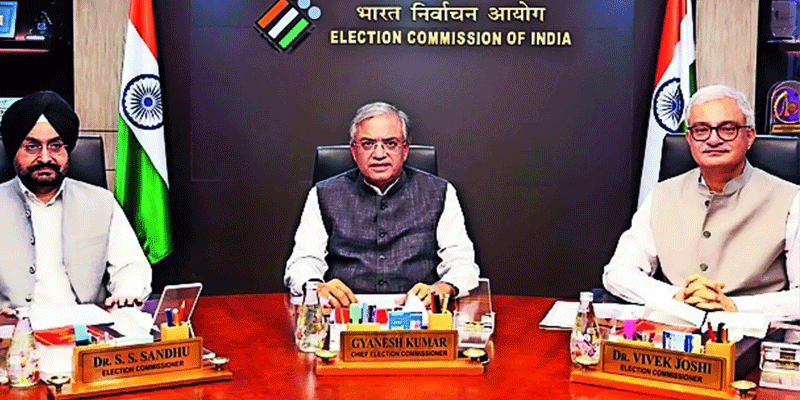
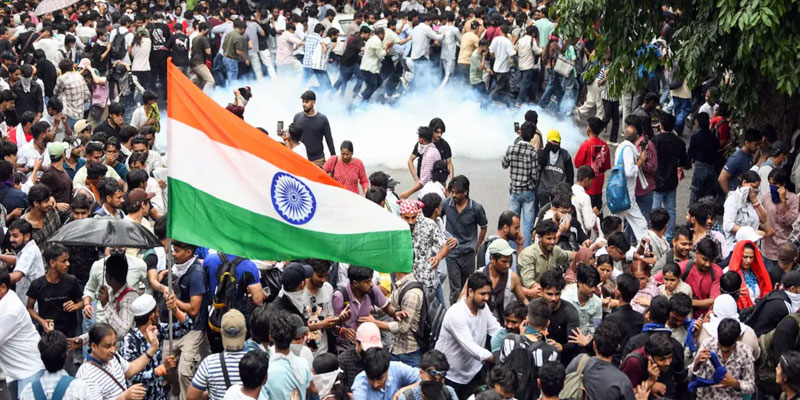
Jantar Mantar, one of New Delhi’s most recognisable venues for public demonstrations, has been removed from the capital’s list of designated protest sites. The decision, announced on October 11, 2026, comes amid political tensions over the Cockroach Janta Party’s (CJP) campaign demanding Chief Election Commissioner Gyanesh Kumar’s resignation. Delhi Police has designated three alternative venues, triggering a debate over whether the move improves public safety or restricts peaceful dissent.
What Delhi Police Said
According to the order issued by Police Commissioner Anurag Kumar, the Ministry of Home Affairs constituted a committee to identify alternative locations where citizens could organise demonstrations.
· Ramlila Maidan: In central Delhi.
· Burari Ground: In northwest Delhi.
· CBD Ground: In east Delhi.
The order partially modifies Standing Order No. 48/2022, issued in April 2022. Police said revised standard operating procedures (SOPs) governing demonstrations at the new locations would be issued separately. Permissions, security arrangements and crowd-management restrictions will therefore remain important considerations.
The authorities’ position centres on reorganising protest venues while managing public order, congestion and safety in the national capital.
How the CJP Responded
The CJP strongly criticised the decision, calling it “unacceptable” and alleging that it undermines the fundamental rights to peaceful assembly and protest.
Co-convener Saurav Das rejected what he described as an arbitrary decision, while founder Abhijeet Dipke alleged that the move was intended to curb demonstrations against the government.
The party has demanded:
· Restoration of Jantar Mantar as an officially designated protest venue.
· An end to arbitrary detentions and what it describes as heavy-handed policing.
· Protection against the alleged harassment of independent journalists.
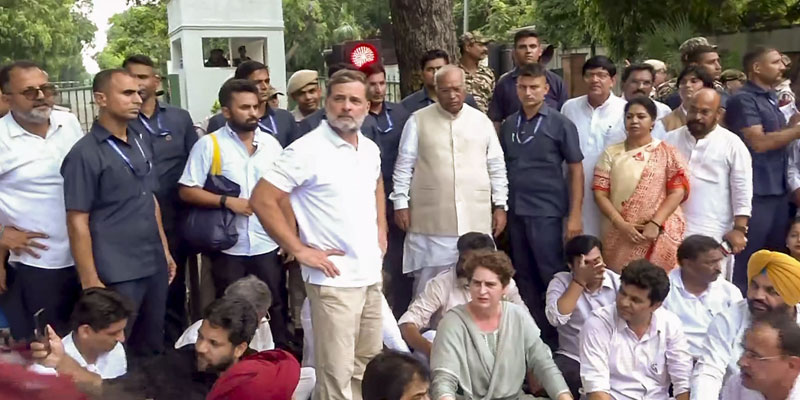
These objections follow confrontations surrounding the CJP’s proposed demonstration, for which police had denied permission, citing public-order and safety concerns.
Why Jantar Mantar Matters
Since the early 1990s, Jantar Mantar has served as a prominent platform for political movements, civil-society campaigns and public demonstrations. Its proximity to Parliament and central government offices has helped protests attract media attention and political visibility.
Relocating demonstrations to more dispersed grounds could reduce congestion in central Delhi. However, greater distance from decision-making centres could also make mobilisation more difficult.
Public Order Must Not Silence Peaceful Dissent
The government can argue that alternative venues offer better crowd management, but their effectiveness will depend on accessibility, timely permissions and transparent rules. Article 19 of the Constitution protects freedom of speech and peaceful assembly, subject to reasonable restrictions.
Ultimately, the test is whether the new arrangements genuinely facilitate peaceful protest or merely relocate it beyond public visibility. Safety and public order matter, but so does preserving meaningful space for democratic dissent.
(With agency inputs)