
Mass Suspensions Expose Congress's Organisational Fault Lines
The Congress has suspended 202 Youth Congress office-bearers across seven states for allegedly skipping the INDIA bloc's November 1 'Vote Bachao, Desh Bachao' rally at Delhi's Ramlila Maidan against the Election Commission's Special Intensive Revision (SIR) of electoral rolls. The sweeping disciplinary action has triggered a political confrontation, with the BJP mocking Rahul Gandhi's leadership and questioning his control over the party. The episode has exposed organisational differences within Congress and raised questions about the INDIA bloc's ability to sustain a coordinated nationwide campaign.
Why the INDIA Bloc Organised the Delhi Rally
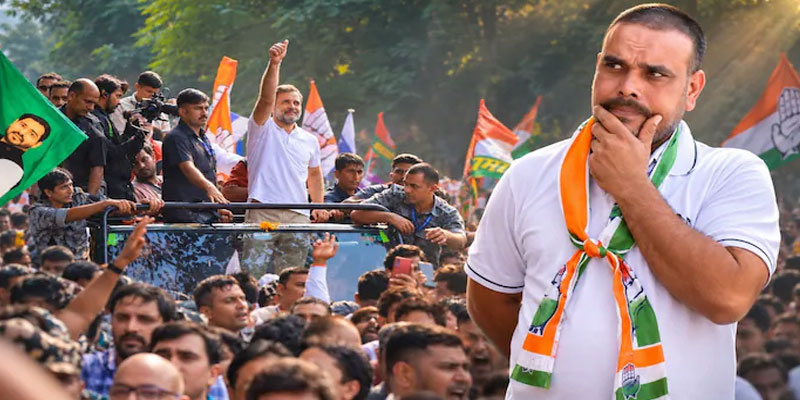
The November 1 rally brought together prominent opposition leaders, including Rahul Gandhi, Congress president Mallikarjun Kharge, West Bengal Chief Minister Mamata Banerjee and Samajwadi Party chief Akhilesh Yadav.
The opposition accused the Election Commission of facilitating 'vote chori' through electoral roll revisions and demanded the removal of Chief Election Commissioner Gyanesh Kumar. The rally was intended to transform opposition to SIR into a nationwide political mobilisation centred on electoral integrity and democratic accountability.
However, the subsequent absence of hundreds of Youth Congress functionaries from the event created an unexpected organisational controversy.
Nationwide Suspensions: Seven States Under Scrutiny
The state-wise breakdown is:
· Madhya Pradesh: 60
· Gujarat: 49
· Jharkhand: 32
· West Bengal: 26
· Telangana: 14
· Uttar Pradesh (Central): 11
· Haryana: 10
The geographical spread of the suspensions indicates that the issue was not confined to one state unit but affected the organisation across multiple regions.
Reports suggest that some functionaries cited family emergencies, while others reportedly questioned the political framing of the rally and the participation of AISA chief Neha Bora.
Party sources maintained that explanations were sought and considered unsatisfactory before disciplinary action was initiated.
Why the Suspensions Matter for Congress
The action reflects the national leadership's determination to enforce organisational discipline and ensure participation in major political programmes.
However, suspending 202 office-bearers simultaneously carries risks. It could create resentment among grassroots workers, particularly those who believe their personal circumstances were not adequately considered.
It also exposes a larger challenge: translating national leadership's political agenda into enthusiastic grassroots participation across different states.
BJP Targets Rahul Gandhi, Mocks Congress Leadership
The BJP has seized the controversy to question Rahul Gandhi's leadership and the Congress's internal cohesion.
BJP spokesperson C.R. Kesavan described the suspensions as evidence that Youth Congress leaders had lost confidence in Rahul Gandhi, calling him 'inept and incompetent'. He also portrayed the Delhi gathering as a failed rally and argued that the widespread absences reflected internal dissatisfaction.
The BJP's strategy is to shift political attention from the opposition's allegations concerning SIR towards Congress's organisational weaknesses.
However, the suspensions establish non-attendance and disciplinary action, not necessarily a coordinated revolt against Rahul Gandhi.
A Test of Political Credibility Beyond the Rally
The controversy has created an uncomfortable situation for Congress. A party seeking to mobilise the country around electoral accountability must first demonstrate organisational unity and commitment within its own ranks. While the suspensions may reinforce discipline, rebuilding grassroots confidence will be equally important. For the BJP, the episode offers an opportunity to question the opposition's credibility without directly engaging with every allegation surrounding SIR. Ultimately, the bigger test for Congress is whether it can convert its electoral-integrity campaign into sustained political mobilisation rather than allowing internal divisions to overshadow its national message.
(With agency inputs)