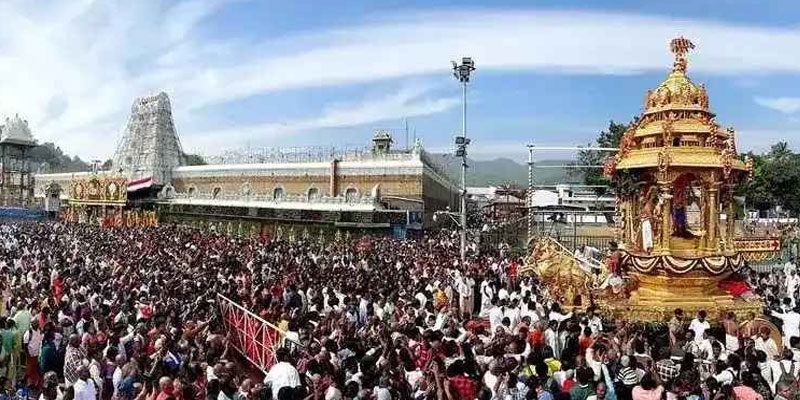
A tragic stampede at a temple in Palasa town, Andhra Pradesh, claimed the lives of eight women and one child, exposing serious lapses in crowd management, infrastructure safety, and administrative oversight.
According to local police, the incident occurred when an unexpected surge of devotees overwhelmed the temple’s narrow entry and exit points during a major religious event. The Deputy Superintendent of Police (DSP) confirmed that inadequate control measures and unregulated inflow of worshippers triggered panic, leading to the fatal crush.
Preliminary reports point to three major failures: poor crowd control, improperly planned entry and exit routes, and makeshift structures unable to handle the pressure of thousands of devotees. The temporary barricades reportedly collapsed under strain, worsening the chaos.
Analysts and safety experts argue that this tragedy underscores India’s recurring problem of inadequate public event preparedness. Despite past incidents at temples and festivals, crowd-control protocols often remain reactive rather than preventive. The absence of professional event planning, emergency drills, and clear evacuation routes continues to pose risks at mass gatherings.
Authorities have ordered an inquiry and announced compensation for the victims’ families. However, the stampede serves as yet another urgent reminder of the need for structural reforms in managing large religious congregations, where faith and safety must coexist through planning and accountability.