Countries Are Queuing Up to Buy BrahMos After Operation Sindoor
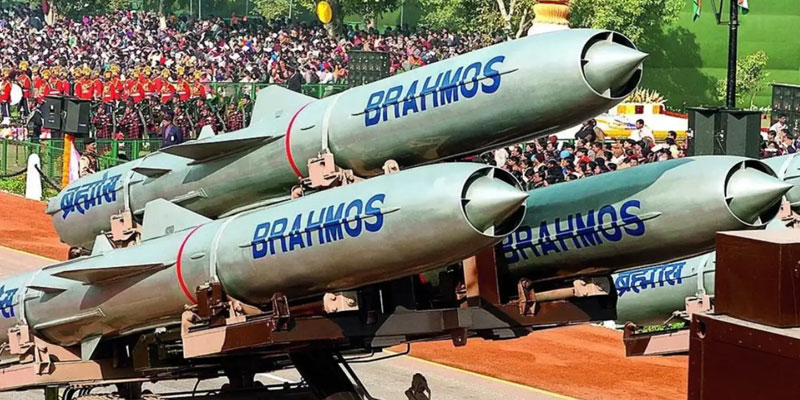
In the aftermath of Operation Sindoor, where India decisively responded to a deadly terror attack using its precision strike capabilities, the spotlight has firmly landed on one of its most potent weapons: the BrahMos supersonic cruise missile. For the first time, India reportedly used the missile in active combat against Pakistani military targets, a move that not only altered regional dynamics but also elevated BrahMos from a deterrent to a battle-tested global brand.
The combat deployment, although not officially confirmed by the Indian government, has been acknowledged by Pakistan and indirectly affirmed by key Indian leaders during the inauguration of a new BrahMos manufacturing facility in Lucknow. This real-world use has triggered a wave of global interest, with at least 15 countries expressing intent to acquire the system—making it a potential game-changer for India's defence export strategy.
BrahMos: A Missile That Commands Respect
Jointly developed by India’s DRDO and Russia’s NPO Mashinostroyeniya, the BrahMos is among the world’s fastest and most reliable cruise missiles. Its unique selling points include:
- Speed: Travels at Mach 2.8, nearly three times the speed of sound.
- Range: Initially 300 km, now upgraded to 400 km in newer variants.
- Payload: Can carry a 200–300 kg warhead with pinpoint accuracy (CEP under 1 metre).
- Launch Platforms: Versatile deployment from land, air, sea, and submarine platforms.
- Flight Profile: High-low trajectory, flying at 15 km altitude before diving to 10 metres at impact.
- Stealth and Guidance: Advanced electronic countermeasures and a “fire-and-forget” navigation system.
- Indigenous Content: Over 83% of components are now made in India, underscoring its strategic self-reliance.
- Expand Production Capacity: With the new BrahMos facility in Lucknow, India is poised to ramp up production. Ensuring timely delivery is key to building trust among foreign buyers.
- Flexible Financing Models: Nations like Indonesia are reportedly working out financing mechanisms. India could explore government-backed export credits or public-private funding models to close these deals.
- After-Sales Ecosystem: Setting up maintenance, training, and parts supply hubs in partner countries would boost customer confidence and long-term strategic ties.
- Technology Customization: Adapting missile configurations to suit each country's operational requirements (e.g., ship-launched vs. air-launched variants) can help win contracts over rival systems.
- Bilateral Diplomacy: Linking BrahMos exports to broader security cooperation—joint exercises, naval partnerships, and intelligence sharing—could serve India’s larger foreign policy goals.