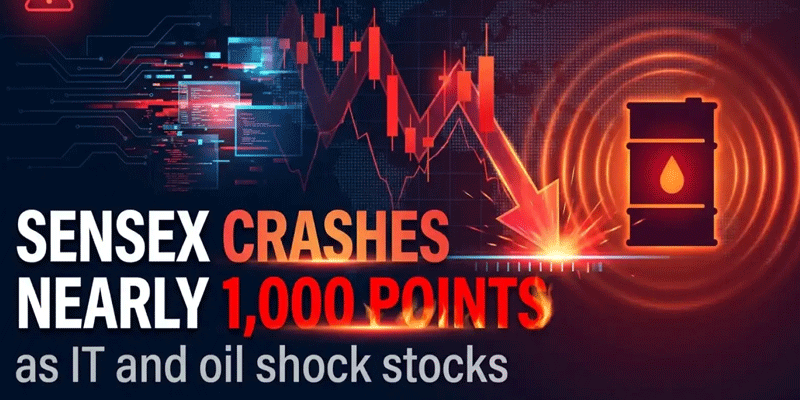


Indian stock markets witnessed a sharp collapse on Monday as panic selling gripped investors across sectors. The BSE Sensex crashed more than 1,000 points during intraday trade, falling to nearly 76,300, while the NIFTY 50 slipped below the crucial 23,900 mark. The selloff wiped out nearly ₹4 lakh crore in investor wealth and reflected growing anxiety over rising crude oil prices, escalating geopolitical tensions in West Asia, and Prime Minister Narendra Modi’s extraordinary appeal for economic restraint.
The fall was broad-based, with banking, aviation, jewellery, travel, and consumption-related stocks taking the biggest hit as fears of inflation and slower economic growth intensified.
Oil Prices Trigger Fresh Panic
The immediate trigger for the market crash was the sharp surge in global crude oil prices. Brent crude climbed above $105 per barrel after US President Donald Trump rejected Iran’s latest peace response, reviving concerns that disruptions around the Strait of Hormuz could continue for months.
The prolonged US-Iran conflict has already strained global energy supply chains, and investors fear further escalation could tighten oil availability globally. For India, which imports nearly 88 percent of its crude oil requirements, the consequences are particularly severe.
Higher crude prices directly increase India’s import bill, weaken the rupee, and widen the Current Account Deficit (CAD). Analysts now project India’s CAD could rise to nearly 2.5 percent of GDP if oil prices remain elevated for an extended period. Imported inflation risks are also rising sharply, threatening household spending and corporate profitability.
PM Modi’s Speech Adds to Investor Anxiety
While global factors triggered the initial selloff, investor nervousness deepened after Modi’s Sunday address urging Indians to cut petrol and diesel consumption, avoid foreign travel, postpone gold purchases for a year, revive work-from-home practices, and reduce edible oil and fertiliser use.
Markets interpreted the Prime Minister’s unusually direct message as a sign that the government is preparing for a prolonged economic strain due to the global energy crisis. The appeal to conserve foreign exchange reserves and reduce discretionary spending raised fears that domestic consumption growth could weaken in the coming quarters.
This hit consumption-linked sectors particularly hard. Hotel and tourism-related counters declined amid concerns over reduced travel demand, while jewellery stocks suffered because of the appeal to avoid gold purchases.
Sector-Wise Damage Across Dalal Street
The aviation sector was among the worst affected as higher fuel costs threaten profit margins. Shares of major airlines witnessed steep declines during the session.
Jewellery companies also faced heavy selling pressure due to expectations of reduced consumer demand and rising import costs. Banking stocks, particularly PSU lenders, weakened sharply as rupee depreciation and inflation fears clouded the broader economic outlook.
Foreign Institutional Investors (FIIs) added to the pressure by continuing aggressive selling. FIIs reportedly sold more than ₹4,000 crore in the previous trading session alone, extending a six-day outflow streak that has crossed ₹32,000 crore.
Analysts Warn of Short-Term Volatility
Market experts believe the combination of geopolitical uncertainty and domestic cautionary signaling has created a highly nervous environment. According to Geojit Investments strategist V K Vijayakumar, two major concerns are driving the correction: rising oil prices due to West Asia tensions and fears that austerity-driven consumption cuts could slow India’s FY27 growth momentum.
He noted that while Modi’s appeal may help contain foreign exchange pressure, it also carries “slightly negative growth implications” if consumer spending weakens significantly.
A Market Caught Between Geopolitics and Growth Fears
The sharp market decline reflects how deeply interconnected global conflict, energy security, and domestic economic confidence have become. Investors are now watching two critical developments closely: whether the US-Iran crisis moves toward de-escalation and whether the Indian government introduces stronger conservation or fiscal measures in the weeks ahead.
Until clarity emerges, volatility is likely to remain high, with markets balancing inflation fears against concerns of slowing growth in an increasingly uncertain global environment.
(With agency inputs)