
Demonstrations Spread from Minnesota to the Nation
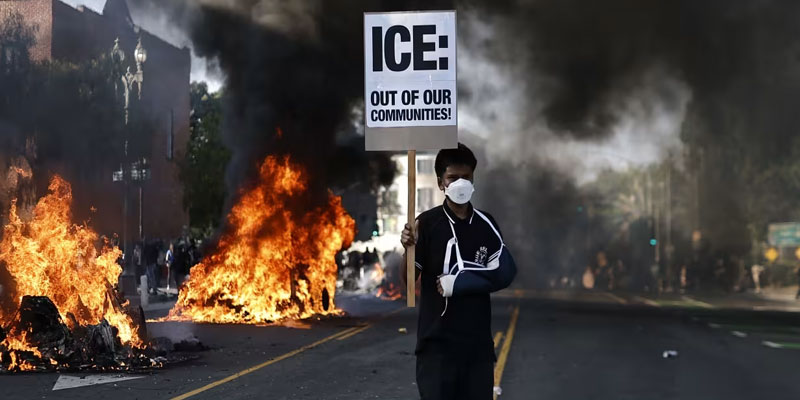
Thousands of protesters poured into the streets of Minnesota and cities across the United States in late January, braving extreme winter conditions to oppose Immigration and Customs Enforcement (ICE). What began as localized outrage quickly evolved into a coordinated national movement, as demonstrators condemned the Trump administration’s intensified immigration enforcement and demanded an end to what they see as unchecked federal power.
Why the Protests Erupted
At the center of the unrest is the Trump administration’s renewed push for mass deportations following its return to office. The policy shift, unveiled earlier this year, expanded ICE’s operational authority in so-called sanctuary cities. Supporters argue it restores the rule of law, while critics warn it erodes civil liberties and disproportionately targets immigrant communities. The protests reflect growing anxiety that immigration enforcement has crossed from policy enforcement into systemic intimidation.
The Core Trigger: Operation Metro Surge
The immediate catalyst was “Operation Metro Surge,” a sweeping ICE initiative launched in January 2026. The operation focused on large urban areas such as Minneapolis, authorizing agents to conduct arrests in public spaces, residential neighborhoods, and workplaces. Tensions escalated sharply after two fatal encounters involving ICE agents and local activists, which protesters cite as proof that the crackdown has become dangerously aggressive. Additional reports of wrongful detentions, including that of a US citizen, further fueled public anger and distrust.
Minnesota at the Epicenter
Minnesota emerged as a focal point of resistance. Despite wind chills plunging below minus 20 degrees Fahrenheit, tens of thousands marched through Minneapolis, staged sit-ins at transportation hubs, and participated in citywide work stoppages. Faith leaders, labor unions, students, and small business owners joined the demonstrations, framing them as a defense of constitutional rights rather than a narrow immigration issue. Similar protests erupted in New York, Los Angeles, Chicago, and other major cities, signaling that opposition was neither regional nor fleeting.
How the Trump Administration Responded
The administration’s response combined tactical adjustments with combative messaging. On the ground, federal authorities scaled back ICE’s visible presence in Minnesota, instructing agents to avoid confrontations and narrow their focus to individuals with serious criminal records. Senior officials described the shift as a practical move to reduce volatility, not a retreat from enforcement goals.
At the same time, the White House adopted a hard rhetorical line. President Trump and Vice President JD Vance accused Democratic-led cities of enabling disorder and obstructing federal law enforcement. Administration officials characterized the protests as politically orchestrated and warned that continued unrest could invite stronger federal intervention, including extraordinary security measures. Celebrity involvement and activist messaging were dismissed as distractions from what the administration calls a public safety mission.
Policy Signals Beneath the Optics
Even as enforcement tactics were recalibrated, internal policy changes suggested a deeper entrenchment of ICE authority. New guidance expanded agents’ discretion to make arrests without traditional warrants under certain conditions, alarming civil rights advocates. Critics argue that this contradiction—public de-escalation alongside quiet empowerment—reveals a strategy aimed at maintaining enforcement momentum while limiting political fallout ahead of elections.
A Defining Test for Immigration Politics
The ICE protests mark a pivotal moment in America’s immigration debate. They reveal a widening gap between federal priorities and local sentiment, intensified by tragic incidents and sweeping enforcement tools. Whether the administration’s blend of restraint and resolve will calm tensions or deepen resistance remains uncertain. What is clear is that immigration enforcement has once again become a flashpoint capable of mobilizing mass protest, reshaping political narratives, and testing the balance between security and civil liberties in the United States.
(With agency inputs)