US Targets Firms in India, China and Russia
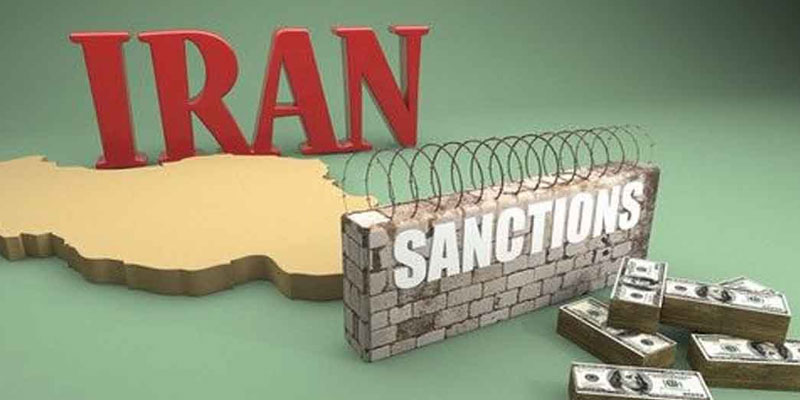
The United States has expanded its sanctions campaign against Iran by targeting entities in India, China, Russia and Iran accused of supporting Iran's Mahan Air and the Islamic Revolutionary Guard Corps (IRGC). The latest action by the US Treasury Department's Office of Foreign Assets Control (OFAC) includes an India-based logistics company, signalling Washington's growing focus on foreign businesses allegedly helping Tehran evade long-standing international restrictions. The move reflects a broader strategy to disrupt Iran's military, financial and logistical networks by targeting overseas facilitators rather than limiting sanctions only to Iranian organisations.
Why Mahan Air Remains Under Scrutiny
Mahan Air has been under US sanctions since 2011 over allegations that it transports personnel, weapons, drones and military equipment for the IRGC's Quds Force under the cover of civilian aviation. The airline has long been accused of playing a key logistical role in supporting Iran's regional military operations.
Over the years, Washington has widened its sanctions framework to include non-Iranian companies that allegedly assist Mahan Air in bypassing restrictions related to aviation services, logistics, financing and technology transfers. This evolving approach seeks to dismantle the global commercial ecosystem that enables sanctioned Iranian entities to continue operating internationally.
The New Sanctions and Companies Named
In the latest round of sanctions, OFAC designated six entities and individuals across India, China, Russia and Iran for allegedly serving as sales agents and logistics providers for Mahan Air.
Among them is Skiez Travels and Logistics Pvt. Ltd. of India, which the US describes as Mahan Air's principal commercial and customer-support partner responsible for ticketing and sales operations.
China-based Shanghai Wings International Logistics Co., Shanghai Elite International Travel Co., and managing director Tang Xin have been accused of coordinating freight forwarding, transporting electronic equipment and acting as commercial representatives for the airline.
Russia's Air Cargo Pro Limited has also been sanctioned for allegedly providing freight-forwarding and logistics support.
According to the US Treasury, these entities have helped sustain what it describes as a "terrorist enterprise" by enabling Mahan Air and the IRGC to maintain international routes, cargo services and commercial operations despite years of sanctions.
Digital Intelligence Network Also Comes Under Scanner
Beyond aviation and logistics, OFAC also designated DadeNegar Startup Studio, an Iranian technology firm allegedly linked to the IRGC. US authorities claim the company operated an online platform that crowdsourced the locations of American and Israeli military assets, gathering targeting information and strike requests during periods of heightened regional tensions.
The designation highlights growing concerns over the use of civilian technology platforms and startup ecosystems to support military intelligence and covert operations.
Global Financial Impact and India's Delicate Balancing Act
The sanctions freeze any assets under US jurisdiction belonging to the designated entities while prohibiting American individuals and businesses from conducting transactions with them. More significantly, the measures carry the threat of secondary sanctions, exposing non-US banks, airlines and logistics firms dealing with these entities to potential penalties and restricted access to the US financial system.
For the sanctioned companies, this could severely limit dollar-based transactions, international insurance coverage and global commercial partnerships. Although Iran has historically adapted by using alternative intermediaries, these measures significantly raise operational costs and compliance challenges.
India's official response has remained measured, with attention focused on the fact that Skiez Travels is a private company. New Delhi is expected to carefully balance its strategic partnership with the United States, its historical energy and commercial ties with Iran, and the need to ensure Indian businesses remain compliant with evolving global sanctions frameworks.
A New Phase in Washington's Iran Pressure Strategy
The latest sanctions demonstrate that Washington is increasingly targeting the international networks sustaining Iran's military and commercial capabilities rather than focusing solely on Tehran itself. For countries like India, China and Russia, the action serves as a reminder that even relatively small aviation and logistics firms can become caught in broader geopolitical rivalries. As global sanctions regimes grow more interconnected, businesses engaged in international trade face rising compliance risks, making geopolitical awareness as critical as commercial strategy.
(With agency inputs)