
India Summons Russian Envoy After Fatal Black Sea Attack
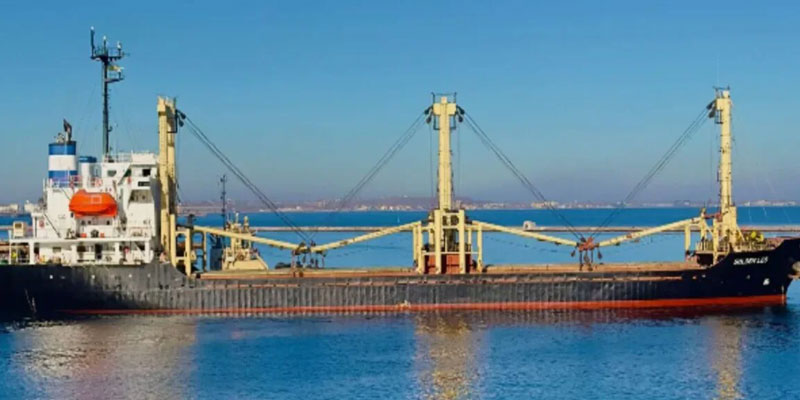
India has summoned the Russian Charge d’Affaires in New Delhi after a Russian missile strike on the merchant vessel MV Golden Leo killed four Indian seafarers and critically injured another off Ukraine’s Odesa coast. Calling the attack on civilian shipping “deplorable,” the Ministry of External Affairs (MEA) lodged a strong diplomatic protest, describing the incident as the first time Indian nationals have lost their lives while serving as seafarers in the Russia-Ukraine war. The tragedy has added a new and deeply personal dimension to New Delhi’s engagement with the nearly four-and-a-half-year-old conflict.
A War That Has Increasingly Threatened Civilian Shipping
Since Russia launched its military offensive against Ukraine in February 2022, the Black Sea has remained one of the conflict’s most volatile theatres. Odesa, Ukraine’s largest port and a vital gateway for grain exports, has repeatedly come under Russian missile and drone attacks, particularly after Moscow withdrew from the Black Sea Grain Initiative. The disruption of maritime trade has affected global food security while exposing commercial vessels and civilian mariners to growing risks in waters that have effectively become an active war zone.
The Attack on MV Golden Leo
According to the MEA, the Guinea-Bissau-flagged cargo vessel MV Golden Leo departed Odesa on the evening of July 19 carrying a consignment of corn with 17 crew members, including five Indian nationals. Ukrainian authorities stated that the vessel was struck by three Russian cruise missiles, reportedly Kh-59/Kh-69 missiles, causing extensive damage and a major fire.
Four Indian crew members lost their lives, while the fifth remains in critical condition in hospital. Overall fatalities reportedly reached around ten, including Syrian crew members and a Ukrainian port pilot. The attack occurred while the vessel was navigating Ukraine’s maritime export corridor in the Black Sea, underlining the dangers faced by commercial shipping operating close to an active conflict zone.
India’s Diplomatic Response
Reacting swiftly, the MEA condemned the strike as an unacceptable attack on civilian shipping and stressed that merchant vessels and civilian mariners must be protected under international humanitarian norms. India summoned the Russian envoy to formally register its protest, demand accountability and express grave concern over the safety of Indian citizens working aboard international merchant ships.
At the same time, New Delhi has maintained its broader diplomatic approach of engaging both Moscow and Kyiv. Indian authorities are coordinating with the governments of Russia and Ukraine, along with the vessel’s operators, to facilitate the repatriation of the victims’ bodies and ensure medical treatment for the injured sailor.
Why Odesa Remains a High-Risk Maritime Zone
Odesa has become a strategic target because it serves as Ukraine’s principal outlet for grain exports. Russian forces have repeatedly targeted port infrastructure, grain terminals and commercial vessels in an effort to weaken Ukraine’s economy and discourage maritime trade through its export corridor.
The strike on MV Golden Leo demonstrates that even foreign-flagged civilian ships carrying commercial cargo are no longer insulated from the conflict. For global shipping companies and thousands of seafarers, the Black Sea has evolved into one of the world's most dangerous commercial maritime routes.
A Wake-Up Call for India’s Maritime Security
The deaths of four Indian seafarers mark a tragic milestone in the Russia-Ukraine conflict and expose the growing risks faced by Indian maritime professionals serving aboard foreign vessels in conflict-prone waters. Beyond the immediate diplomatic protest, the incident underscores the urgent need for stronger international safeguards for civilian shipping and more robust risk assessment mechanisms for Indian seafarers. As modern conflicts increasingly blur the distinction between military targets and commercial activity, protecting civilian lives at sea must become a central priority for both global diplomacy and maritime security.
(With agency inputs)