
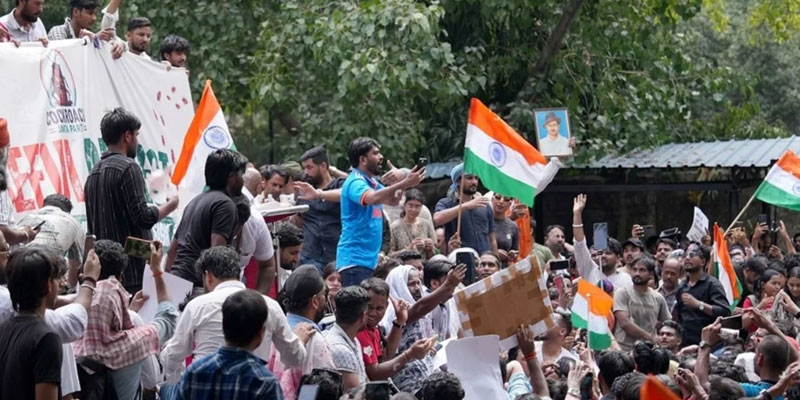
Roach Wave Sweeps India as Student Protests Spread Beyond Delhi
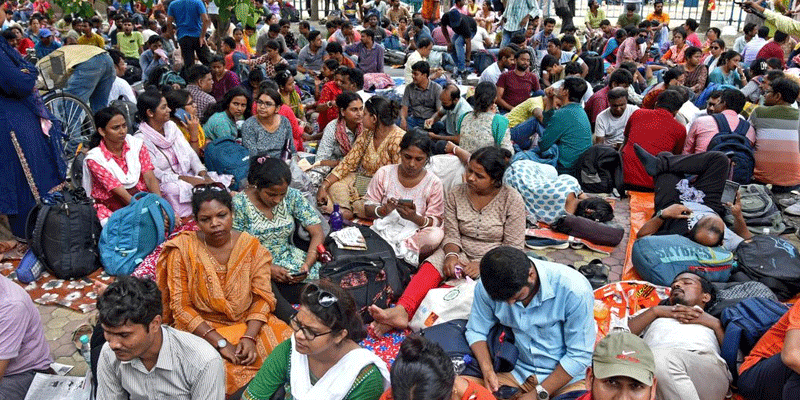
What began as outrage over the NEET-UG 2026 paper leak has grown into a nationwide youth movement. Led by the Cockroach Janta Party (CJP), protests have spread beyond Delhi to several cities, drawing students, unemployed youth and civil society groups. No longer limited to demands for a fair examination, the agitation has evolved into a wider campaign for accountability, transparency and institutional reform.
The NEET Paper Leak That Sparked Nationwide Anger
The protests were triggered by the cancellation and re-conduct of NEET-UG 2026 following allegations of a question paper leak. With millions of students competing for limited medical seats, the controversy undermined confidence in India's examination system.
From Internet Meme to Organised Youth Movement
The Cockroach Janta Party (CJP) originated as a Gen Z social media campaign after a Supreme Court remark comparing unemployed youth to "cockroaches." Instead of rejecting the label, students adopted it as a symbol of resilience and unity.
The movement's decentralised structure, driven largely through social media, has enabled rapid mobilisation without relying on conventional political leadership. This has allowed protests to emerge simultaneously across different cities while maintaining a unified demand for accountability.
Protests Expand Across India
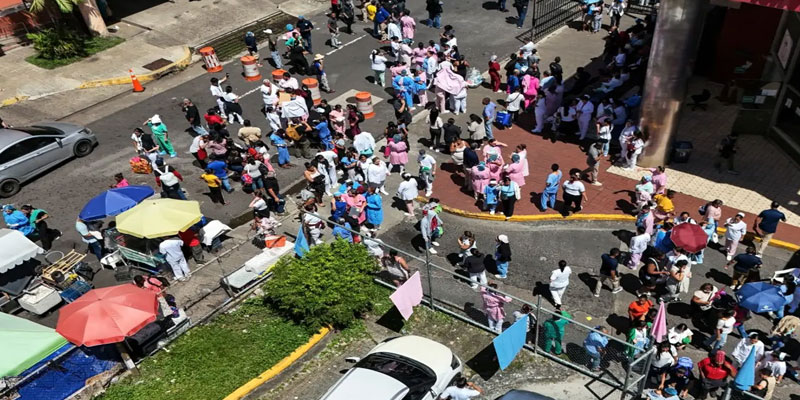
The movement has now spread to Mumbai, Chandigarh, Patna, Jaipur and several other cities.
The CJP released videos on X showing hundreds of protesters gathering in Chandigarh to demand the resignation of Union Education Minister Dharmendra Pradhan. In Mumbai, around 1,500 protesters, including actors and comedians, assembled at Shivaji Park despite heavy police deployment. Similar demonstrations were reported across Maharashtra and other states.
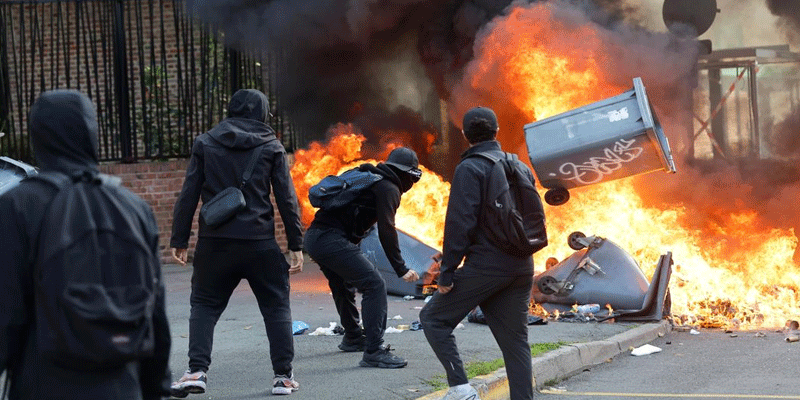
In Delhi, authorities responded by closing several Metro stations, imposing tight security around Jantar Mantar and using tear gas and lathi charges to disperse crowds. Protesters argue these measures have strengthened rather than weakened public support.
Government Offers Legal Reforms, Protesters Demand Accountability
Facing mounting criticism, the Centre announced plans to establish fast-track courts and impose stricter punishment for paper leak offences. The government says these measures demonstrate its commitment to protecting examination integrity.
However, protesters insist that legal reforms alone are insufficient. The CJP continues to demand the resignation of Education Minister Dharmendra Pradhan, arguing that political accountability must accompany administrative action. The government has rejected this demand, maintaining that criminal acts should not automatically translate into ministerial responsibility.
A Generation Demanding Structural Change
The movement now reflects concerns extending well beyond NEET. Protesters point to recurring examination irregularities, rising unemployment and declining trust in public institutions.
Their demands include independent oversight of examination agencies, stronger digital safeguards, greater transparency in recruitment and examination processes, and compensation for families of students who allegedly died by suicide due to examination-related stress. The decentralised nature of the movement also signals a new form of youth mobilisation powered by digital platforms rather than traditional political organisations.
The Real Challenge Lies Beyond Restoring Order
The nationwide "Roach Wave" has become more than a protest against a leaked examination—it represents a broader demand for transparent governance and institutional accountability. While fast-track courts may strengthen punishment for future offences, restoring public confidence will require deeper reforms, credible oversight and meaningful engagement with students. How the government responds to these demands may determine not only the future of examination reforms but also the relationship between India's institutions and an increasingly assertive young generation.
(With agency inputs)