
Brief Narration: India’s Seafood Export Sector
India’s seafood sector, particularly shrimp exports, witnessed a market surge following reports that China informed Japan about suspending seafood imports. The development triggered optimism among Indian exporters, as China is a major market for seafood. Shares of companies like Avanti Feeds jumped 10%—its largest intraday gain in over two months—making it the top performer among seafood stocks. This surge highlights the sector’s sensitivity to international trade dynamics and its potential to capitalize on shifting market opportunities.
India’s Prominent Role in Global Shrimp Trade
India is one of the world’s leading shrimp exporters, with exports valued at approximately $4.88 billion in FY 2024-25, representing around 66% of the country’s total seafood exports. Coastal states such as Andhra Pradesh, Odisha, Tamil Nadu, and Gujarat host extensive shrimp farming and processing operations, providing livelihoods to millions. Indian shrimp is primarily exported to the US, Europe, Japan, and China, driven by rising global demand, modernized cultivation methods, expanded processing infrastructure, and government support for export promotion.
Impact of China’s Suspension and Emerging Opportunities
China’s suspension of Japanese seafood imports has opened a potential opportunity for India. With Japanese seafood supplies reduced, China may increase purchases from alternative suppliers like India. This shift could enhance demand for Indian shrimps and other marine products, particularly as exporters navigate challenges such as high US tariffs and logistical bottlenecks. Indian firms are leveraging this opportunity by diversifying target markets and ensuring compliance with stringent international standards, positioning themselves to gain a larger share of the Asian seafood market.
Stock Market Response and Key Players
The market responded positively to these trade developments. Avanti Feeds’ shares soared 10%, reaching levels not seen since June 2025. Other major players, including Apex Frozen Foods and Coastal Corporation, recorded gains of 9–20% in intraday trades. This surge reflects investor confidence in the sector’s prospects, as exporters stand to benefit from expanded demand and improved revenue potential resulting from changing global supply dynamics.
Challenges and Future Prospects
Despite the optimism, exporters face persistent hurdles. US tariffs, anti-dumping duties, port delays, and stringent food safety compliance continue to impact margins. The 50% US tariff hike remains a significant concern, prompting industry bodies to seek government support and trade facilitation measures.
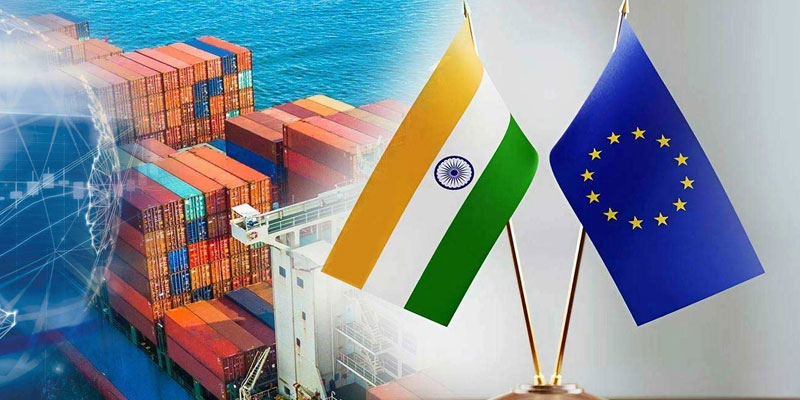
Looking ahead, tightening global seafood supply chains and shifting demand patterns present growth potential. Expanding into new markets such as the EU, deepening penetration in China, and enhancing aquaculture technology, cold chain logistics, and international certifications can further strengthen India’s competitive position in the global seafood trade.
Resilient Growth Amid Global Shifts
The surge in seafood stocks, led by Avanti Feeds, underscores the positive impact of recent geopolitical trade changes. India’s shrimp export sector, already a key contributor to the national economy, stands to gain from rising demand and emerging market opportunities. While challenges in tariffs and logistics remain, the industry’s adaptability and strategic focus on quality and diversification position it for sustained growth in global seafood markets.
(With agency inputs)