
Parliament Set for Crucial Discussion on August 12
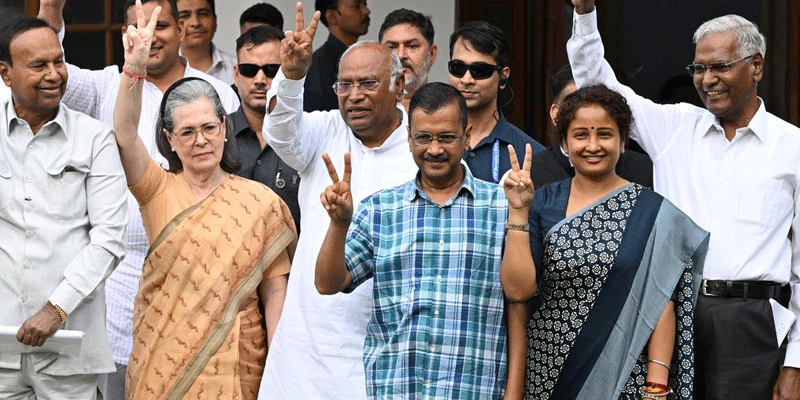
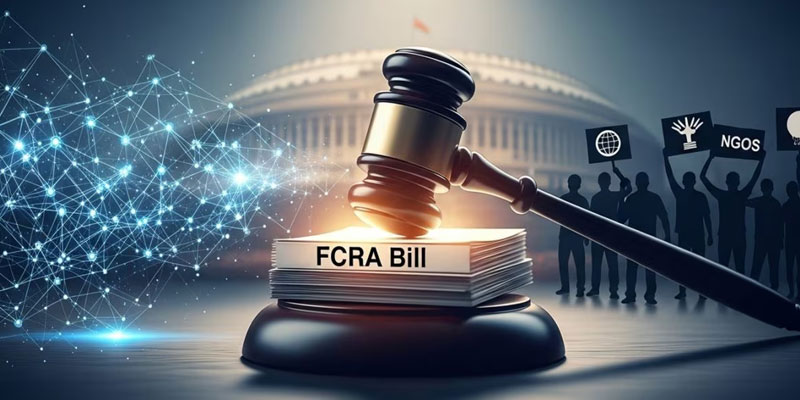
The Centre has intensified its outreach to Opposition parties ahead of a crucial parliamentary discussion on the Foreign Contribution (Regulation) Amendment Bill, 2026, scheduled for August 12. The move comes amid an ongoing impasse during the Monsoon Session and mounting concerns from civil society groups, religious organisations and international observers. While the government maintains that the proposed amendments are essential to improve transparency and curb the misuse of foreign funds, critics argue that the legislation significantly expands executive powers and could alter the functioning of thousands of non-governmental organisations across the country.
Understanding the FCRA and the Proposed Changes
The Foreign Contribution (Regulation) Act (FCRA), enacted in 2010, regulates foreign donations received by individuals, associations and NGOs to ensure that overseas funding is not used for activities considered detrimental to India's national interest. Over the years, compliance norms have been tightened, but the 2026 Amendment Bill represents the most extensive overhaul of the law.
The Bill also proposes:
· A minimum utilisation threshold of ₹10 lakh over the previous two financial years for renewal of FCRA registration.
· Stricter restrictions on transferring foreign contributions.
· Tighter timelines for receiving and utilising overseas funds.
· Enhanced disclosure requirements covering projects, websites and social media platforms.
The government argues that these measures will strengthen accountability and prevent financial irregularities, while opponents fear excessive centralisation of regulatory authority.
Political Resistance and Latest Developments
The proposed amendments have generated strong opposition, particularly from NGOs, churches and charitable institutions in states such as Kerala, Mizoram and Nagaland, where foreign-funded educational, healthcare and welfare organisations play a significant role.
Earlier this month, Mizoram Chief Minister Lalduhoma led a delegation of church leaders to meet Union Home Minister Amit Shah, seeking either withdrawal of the Bill or its referral to a Joint Parliamentary Committee for wider consultation.
According to government sources, Shah assured the delegation that the amendments would not be implemented retrospectively. He also confirmed that the Bill would be discussed in Parliament on August 12, while the Centre continues efforts to build political consensus and break the legislative deadlock.
US Lawmaker Raises Concerns
The proposed legislation has also attracted international attention. US Republican Congressman Riley Moore expressed concern over the amendments, describing them as a measure that could adversely affect Christian institutions in India. His criticism primarily focuses on the proposed powers of the Designated Authority to assume control over assets created through foreign contributions if an organisation loses its FCRA registration.
Moore argued that such provisions could potentially place churches and religious charities under government administration, raising concerns about institutional autonomy. He further cautioned that the issue could become a point of discussion in India-US bilateral relations, particularly as Washington closely monitors questions relating to religious freedom and civil society.
The Bill, however, specifies that where assets include places of worship, their religious character must be preserved. Nevertheless, critics believe this safeguard alone may not fully address concerns regarding administrative overreach.
Balancing Security with Democratic Confidence
The FCRA Amendment Bill represents one of the most consequential reforms in India's regulatory framework for foreign funding. Supporters view it as a necessary step to strengthen financial transparency and national security, while opponents see it as a measure that could constrain civil society and religious organisations. As Parliament prepares for the August 12 debate, the government faces the delicate task of balancing legitimate regulatory oversight with constitutional freedoms, institutional autonomy and international perceptions. The outcome of the discussion is likely to shape not only India's NGO ecosystem but also the broader discourse on governance, accountability and democratic space in the years ahead.
(With agency inputs)