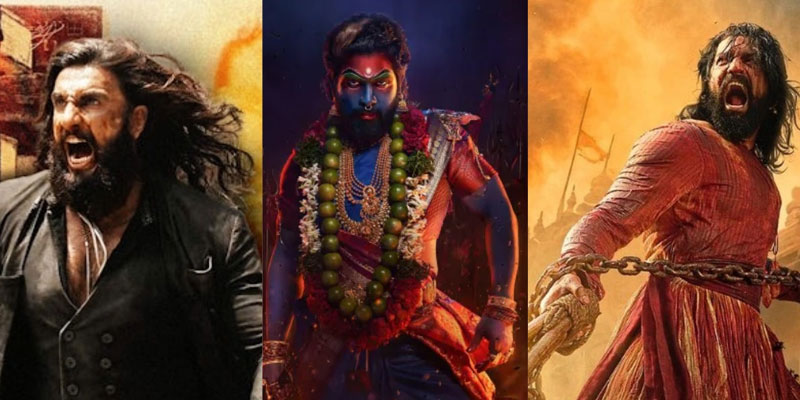


Dhurandhar has quickly moved beyond the realm of a routine film release, emerging as a talking point across both the Hindi film industry and India’s influential digital space. The growing attention around the film was recently amplified after Kangana Ranaut publicly appreciated the film, lending weight to discussions around its narrative depth and creative intent.
Kangana, known for her forthright opinions and selective endorsements, praised filmmaker Aditya Dhar for his confident storytelling and clear directorial vision. She highlighted the film’s intensity and thematic depth, noting that Dhurandharappears to move beyond surface-level drama to engage with more grounded and meaningful ideas. Given Kangana’s consistent support for content-driven cinema, her comments carry added significance and resonate with a larger shift in audience preferences toward realism and strong narratives.
Aditya Dhar’s work seems aligned with this evolving cinematic sensibility. Having already built credibility with earlier projects, Dhar appears to continue his focus on realism and narrative strength in Dhurandhar. Kangana’s endorsement not only enhances the film’s visibility but also reinforces the idea that well-crafted, idea-led cinema continues to earn respect within the industry.
Adding another layer to the conversation, prominent YouTuber and commentator Dhruv Rathee has hinted at releasing a video analyzing the film, triggering curiosity across social media. While Rathee has not disclosed the specific angle of his commentary, his interest suggests that the film may touch upon themes connected to broader social or political narratives—areas he frequently explores in his content.
From an analytical perspective, this convergence of appreciation from a leading actor and interest from a major digital voice highlights how cinema today increasingly operates at the intersection of culture, ideology, and public discourse. Dhurandhar’s reception illustrates a larger trend in India’s media ecosystem, where films are no longer assessed solely by box-office numbers but also by the conversations they generate and the narratives they influence across digital platforms.