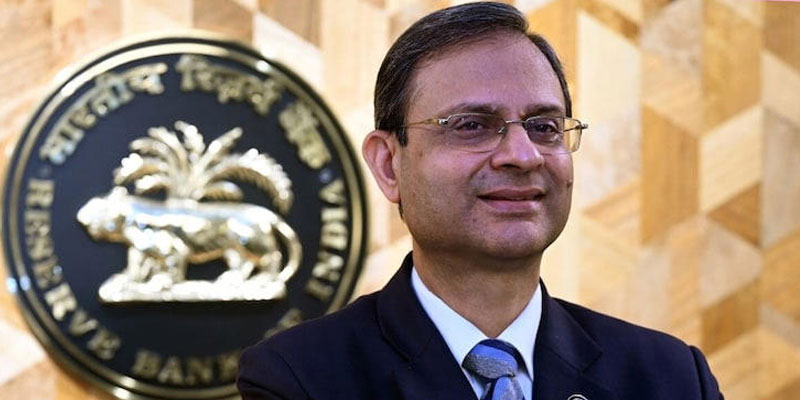
The Reserve Bank of India (RBI), in its latest monthly bulletin, reaffirmed confidence in the resilience of the Indian economy, citing strong rural demand, benign inflation, and supportive policy measures. However, it cautioned that ongoing trade tensions with the United States remain a significant downside risk to growth.
The bulletin noted that average headline inflation is expected to remain well below the RBI’s 4% target for the current financial year. Retail inflation had already eased to an eight-year low of 1.55% in July, led by sharp declines in food prices, particularly vegetables and pulses.
Favourable monsoon rainfall, steady rural wages, and fiscal support are seen as critical drivers sustaining rural consumption, which has been a pillar of India’s growth. At the same time, recent interest rate cuts and government measures are expected to strengthen overall domestic demand.
Earlier this month, the RBI kept the repo rate unchanged at 5.50%, emphasizing stability in growth and inflation dynamics. While some economists anticipate room for further limited easing, the RBI stressed the need for close monitoring of incoming data.
The central bank highlighted that global trade tensions, especially US tariffs on Indian exports, could weigh on growth momentum. Minutes from the latest Monetary Policy Committee (MPC) meeting also reflected concerns over protectionist policies and their ripple effects on global demand.
Despite these headwinds, the RBI emphasized that India’s near-term inflation outlook is “more benign than anticipated earlier,” giving policymakers space to maintain accommodative measures if required.
In short, while India’s economy appears fundamentally steady, the RBI warned that external shocks from US trade policies remain the most pressing risk factor in an otherwise stable macroeconomic environment.