The White House has accused the Nobel Committee of prioritizing politics over peace after María Corina Machado, a Venezuelan pro-democracy activist, was awarded the Nobel Peace Prize over U.S. President Donald Trump. Machado was honored “for her tireless work promoting democratic rights for the people of Venezuela.”
In response, White House Communications Director Steven Cheung said the Committee “proved they place politics over peace,” adding that Trump “will continue making peace deals, ending wars, and saving lives.” He emphasized Trump’s “humanitarian heart” and claimed there is no one else “who can move mountains” as the president can.
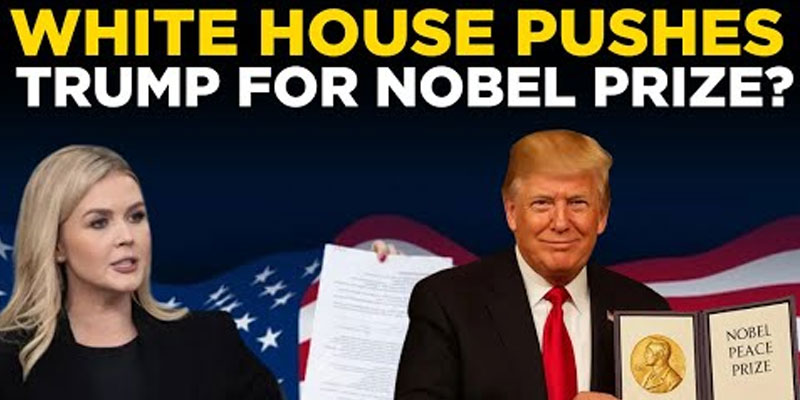
Trump had publicized his aspirations for the Nobel honor, often citing his past diplomatic successes—most recently claiming credit for a Gaza ceasefire agreement struck just days before the Nobel announcement. The White House has branded him the “peace president.”
After the announcement, Trump congratulated Machado personally and reshared her messages praising his support for her cause. Machado, for her part, thanked him on social media and dedicated her prize to the Venezuelan people.
However, several factors worked against Trump this year. The Nobel Prize nomination deadline closed on January 31, just days into his presidency, likely excluding his recent efforts from consideration. The Nobel Committee deliberates from February through September, during which it selects winners based on the previous year’s achievements.
Although Trump has championed peace negotiations globally, his record is mixed: U.S. policies on immigration, enforcement, and use of military forces domestically have drawn criticism. Meanwhile, global hotspots such as the war in Ukraine and Israel–Hamas conflict remain unresolved, making it difficult to argue for a conclusive peace legacy.
While Trump’s ambitions for the Peace Prize remain undiminished, the Nobel Committee’s decision has fueled debate about the balance between symbolic recognition, political influence, and peacebuilding impact.