

Scientists Warn of Dramatic Rise in Extreme Heat
India’s climate challenge is entering a more dangerous phase as scientists warn that the country could witness a 300–400 per cent increase in deadly heatwave days by the end of the century if global greenhouse-gas emissions continue on their current trajectory. The warning comes amid increasingly severe summers, with temperatures frequently crossing 45°C across several regions and prolonged periods of extreme heat becoming more common.
What was once viewed as a seasonal weather event is now emerging as a major public-health, economic and urban-planning challenge. Researchers caution that the effects of climate change are no longer distant projections but increasingly visible realities affecting millions of people across the country.
Understanding the Scale of the Threat
At first glance, India’s average warming over the past century—estimated at around 0.7°C—may appear relatively modest. However, climate experts stress that averages often conceal the true impact of rising temperatures.
Even a small increase in baseline temperatures can significantly amplify extreme weather events. As the climate warms, heatwaves become more frequent, last longer and reach higher intensity levels. This means that communities already vulnerable to extreme heat face increasingly dangerous conditions, particularly during the pre-monsoon months.
India Is Heating Up Where It Matters Most
The impact is expected to be particularly severe across northern and central India, where delayed rainfall, declining soil moisture and prolonged dry spells create ideal conditions for heat accumulation.
Climate researchers note that these regions are likely to experience more intense and longer-lasting heatwaves than in previous decades. For a country with one of the world's largest outdoor workforces, the consequences extend far beyond discomfort.
Agricultural labourers, construction workers, delivery personnel and street vendors often spend long hours outdoors, making them especially vulnerable to heat-related illnesses and productivity losses.
Why Cities Are Becoming Heat Traps
India’s urban centres are emerging as some of the most vulnerable locations in a warming climate. The phenomenon known as the urban heat island effect is intensifying temperatures in cities where concrete, asphalt and dense infrastructure absorb and retain heat.
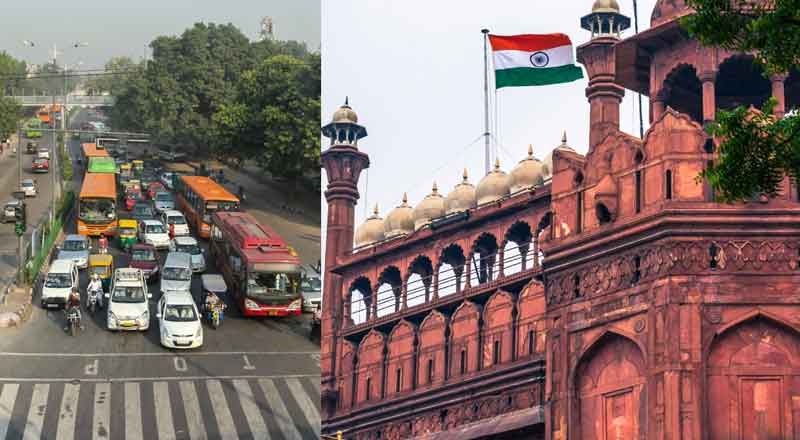
Cities such as Delhi have witnessed the formation of multiple localized heat zones, where limited green cover and heavy traffic can push temperatures several degrees above nearby rural areas.
Night-time temperatures are also rising, reducing opportunities for natural cooling and increasing health risks. Residents in densely populated settlements, particularly those with inadequate housing and limited access to air conditioning, face the greatest exposure.
Health and Economic Consequences
Extreme heat is increasingly being recognised as a major public-health threat. Doctors warn of growing risks of heatstroke, dehydration, kidney stress and cardiovascular complications, particularly among children, the elderly and those with pre-existing health conditions.
The economic costs are equally significant. Heatwaves reduce labour productivity, affect crop yields and place immense pressure on electricity grids as cooling demand surges. Repeated extreme-heat events could therefore have long-term implications for economic growth and social welfare.
At the same time, experts point out that India still lacks a comprehensive national heat-action framework with enforceable labour protections and standardized emergency responses.
Preparing India for a Hotter Future
Scientists argue that adaptation and mitigation must now move to the centre of policy planning. Expanding urban green spaces, redesigning cities for climate resilience, strengthening public-health systems and introducing heat-safety regulations for workers will be critical.
The projected rise in heatwaves is more than a climate forecast—it is a warning about the future habitability of Indian cities and livelihoods. How effectively India responds over the coming decades will determine whether extreme heat remains a manageable challenge or evolves into one of the country’s most serious human and economic crises.
(With agency inputs)