

Oil Prices Surge After UAE Nuclear Facility Drone Attack
Global oil prices climbed to a two-week high after a drone strike near the UAE’s Barakah nuclear power facility intensified fears of a wider Middle-East conflict. Brent crude rose by $2.01, or 1.84%, to $111.27 per barrel, after briefly touching above $112 — its highest level since May 5. The market reaction reflected growing anxiety that renewed confrontation involving Israel, Iran and the United States could threaten energy infrastructure and disrupt Gulf shipping routes.
The attack, which caused a fire in an external electrical generator near the Barakah facility without triggering any radiological leak, has sharply escalated regional tensions. Gulf countries have condemned the incident, while energy traders fear that even limited attacks on strategic facilities could destabilise oil flows through the Strait of Hormuz, a critical artery for global crude supplies.
From Fragile Ceasefires to Renewed Military Readiness
The latest crisis comes after a temporary lull following the intense 40-day conflict earlier in 2026 between Israel and Iranian-backed forces. During that phase, coordinated Israeli and US strikes targeted Iranian missile systems, drone infrastructure and military installations. Though these operations weakened Tehran’s capabilities, they did not eliminate them entirely.
Subsequent US-mediated ceasefires created a brief period of de-escalation, particularly involving Hezbollah-linked groups in Lebanon. However, Israeli authorities repeatedly warned that the calm remained fragile. Over recent weeks, the Israeli military has maintained heightened readiness, deploying air-defence systems, intelligence surveillance units and rapid-response strike squadrons amid fears of renewed Iranian mobilisation.
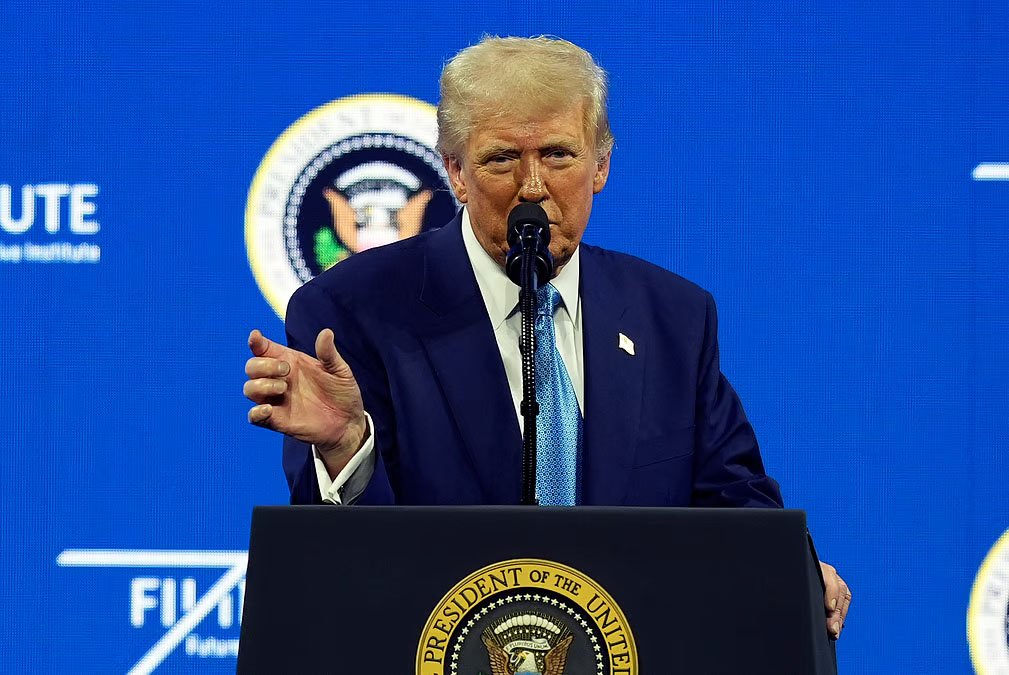
The atmosphere became more volatile after US President Donald Trump issued a fresh ultimatum to Iran, warning of “serious consequences” if Tehran failed to curb its enrichment and missile programmes. Reports of US cargo aircraft delivering ammunition and military supplies to Tel Aviv further reinforced perceptions that preparations for another escalation may already be underway.
The Barakah Attack and Regional Reactions
The drone strike near the Barakah nuclear-power complex has emerged as the immediate flashpoint. UAE officials described the attack as a dangerous escalation and suggested that the drones may have originated from western border regions associated with Iranian-linked proxy networks.
The incident alarmed Gulf Cooperation Council states, many of which are increasingly concerned about becoming collateral targets in a broader Iran-Israel confrontation. Oman, which has often acted as a regional mediator, strongly condemned the attack and renewed calls for diplomatic dialogue to prevent wider instability.
At the same time, Gulf states are quietly strengthening air-defence coordination and intelligence-sharing mechanisms with both the US and Israel, reflecting fears that sporadic strikes could evolve into sustained regional conflict.
Impact on India and the Global Economy
For India, rising oil prices pose immediate economic challenges. As one of the world’s largest crude importers, India remains highly vulnerable to disruptions in Gulf energy supplies. Higher Brent prices could increase inflationary pressure, widen the trade deficit and complicate fuel-price management domestically.
Shipping disruptions in the Strait of Hormuz would further raise freight and insurance costs, affecting not only fuel imports but also broader trade flows. Indian policymakers are therefore closely monitoring developments, balancing diplomatic engagement with concerns over economic stability and energy security.
Why the Gulf Crisis Matters Beyond the Region
The latest spike in Middle-East tensions demonstrates how rapidly geopolitical instability can unsettle global energy markets. The Barakah drone attack has become more than an isolated security incident; it symbolises the fragility of the region’s current ceasefire framework.
With Israel on high alert, Iran under growing pressure and Gulf states fearing wider fallout, the coming weeks may determine whether diplomacy survives or another major regional confrontation emerges. For economies like India, the stakes extend far beyond geopolitics — directly affecting inflation, energy security and economic resilience.
(With agency inputs)