

India’s electoral machinery is once again in full motion, overseeing one of the largest simultaneous state-level voting exercises. In Tamil Nadu, a single-phase election across 234 constituencies has drawn an electorate of nearly 5.7 crore voters. Meanwhile, West Bengal’s first phase spans over 150 seats, marking the beginning of a multi-phase contest that is as politically symbolic as it is competitive.
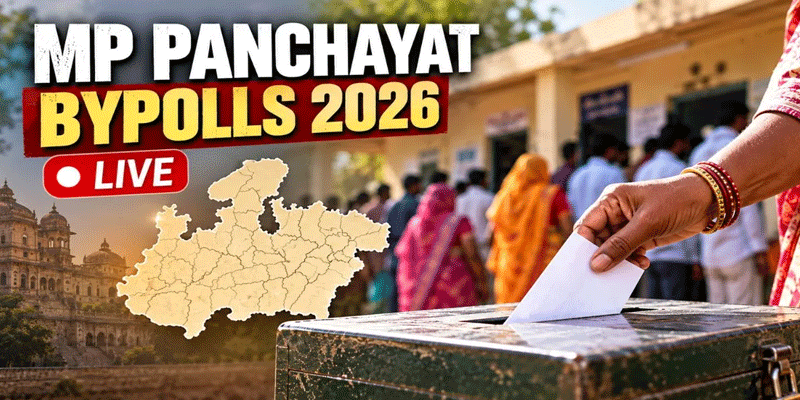
Early indicators point to strong participation. Tamil Nadu has witnessed brisk voting, particularly in urban and semi-urban regions, while West Bengal recorded over 41 percent turnout by late morning—reflecting high voter engagement despite concerns over law and order.
Political Stakes and Key Contenders
Tamil Nadu’s electoral battle is defined by a multi-cornered contest. The DMK-led Secular Progressive Alliance and the AIADMK-led coalition remain the primary rivals, but newer players are attempting to disrupt traditional vote banks. Among them is the Tamizhaga Vetri Kazhagam (TVK), led by actor-turned-politician Vijay, which has injected fresh energy into the race with ambitious claims of electoral impact.
In West Bengal, the spotlight is firmly on the rivalry between Chief Minister Mamata Banerjee and her challenger Suvendu Adhikari. Their political contest—symbolically tied to regions like Nandigram—has transformed Phase 1 into more than just a routine electoral exercise. It is being seen as an early test of grassroots strength for the ruling Trinamool Congress (TMC) against a determined opposition.
Violence in West Bengal: Flashpoints and Tensions
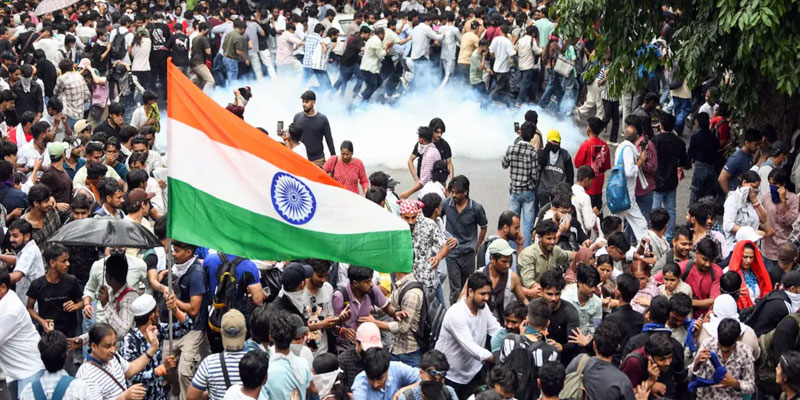
While polling in Tamil Nadu has remained largely peaceful, West Bengal’s first phase has seen sporadic but concerning incidents of violence. Murshidabad has emerged as a major flashpoint, with reports of clashes involving supporters of the TMC and rival factions linked to Humayun Kabir. These confrontations included stone-pelting and the use of crude explosive devices, resulting in injuries and prompting intervention by security forces.
In some cases, authorities resorted to firing in the air and imposing localized restrictions to contain the situation. Additional tension has been reported in parts of Kolkata and constituencies like Dantan, where political workers allegedly faced targeted attacks. These developments reinforce the perception of Bengal as a politically volatile state during elections.
Security Measures and Institutional Response
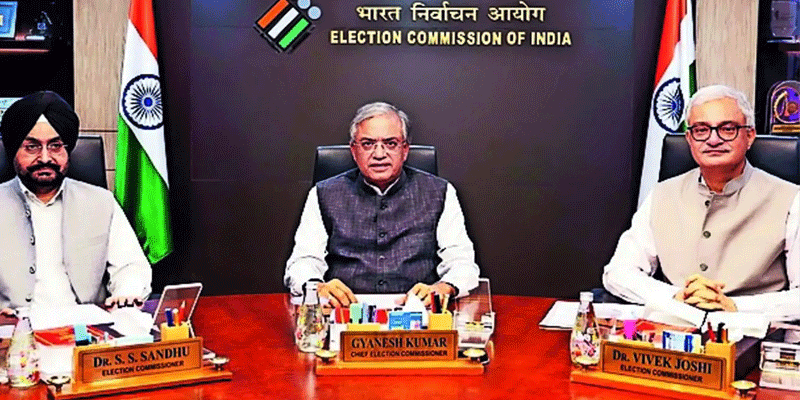
Anticipating unrest, the Election Commission classified over 200 polling booths in West Bengal as “violence-prone,” deploying central paramilitary forces alongside state police. Rapid-response measures, including detentions and crowd-dispersal tactics, have been implemented to prevent escalation.
Officials maintain that despite isolated incidents, the overall polling process remains largely on track. Voters continue to turn out in significant numbers, indicating resilience and commitment to democratic participation even in tense environments.
Tamil Nadu, by contrast, has demonstrated how strong administrative preparedness and voter awareness can ensure a largely incident-free election, shifting the focus to turnout and electoral performance rather than law-and-order concerns.
Democracy Tested, Yet Enduring
The simultaneous elections in Tamil Nadu and West Bengal highlight two contrasting narratives within India’s democratic framework—one of orderly participation and another of contested political intensity. While West Bengal’s sporadic violence underscores persistent challenges in ensuring peaceful polls, the broader picture remains one of robust voter engagement. Ultimately, the resilience of the electoral process, supported by vigilant institutions and active citizen participation, continues to define the strength of India’s democracy even under pressure.
(With agency inputs)