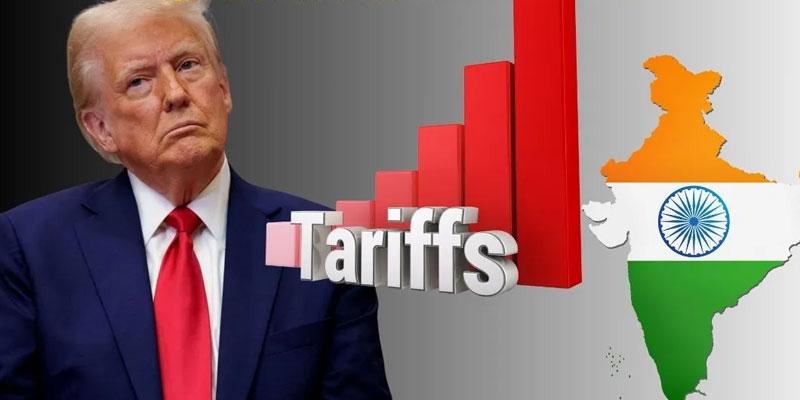
By 2029, Donald Trump’s sweeping tariff policies have reshaped global trade. While his measures avoided sparking a full-scale trade war—most partners, including the EU, Brazil, and Canada, chose restraint—China retaliated forcefully. The absence of widespread retaliation softened immediate pain but masked long-term damage, from higher prices to weakened competitiveness.
Historically, America liberalized trade only when it felt disadvantaged, such as during the Kennedy Round of the 1960s. Yet Trump’s tariffs created new vested interests. Some firms thrived under protection, while others, having spent heavily to relocate supply chains, are reluctant to reverse course. Lobbyists, exemptions, and tariff revenues—over $5 billion in August alone—further entrench the status quo.
Despite the economic drag, financial markets remain buoyant, lifted by an AI investment boom. This stands in contrast to the 1930s, when Smoot-Hawley tariffs worsened the Depression. The risk now is slower, grinding erosion of competitiveness rather than outright collapse.
America’s trading partners see little incentive to retaliate, leaving the onus on U.S. voters and policymakers. The Supreme Court may soon rule on Trump’s use of emergency powers to justify tariffs. Ultimately, reversing course depends less on foreign pressure and more on electing a free-trade president in 2028.